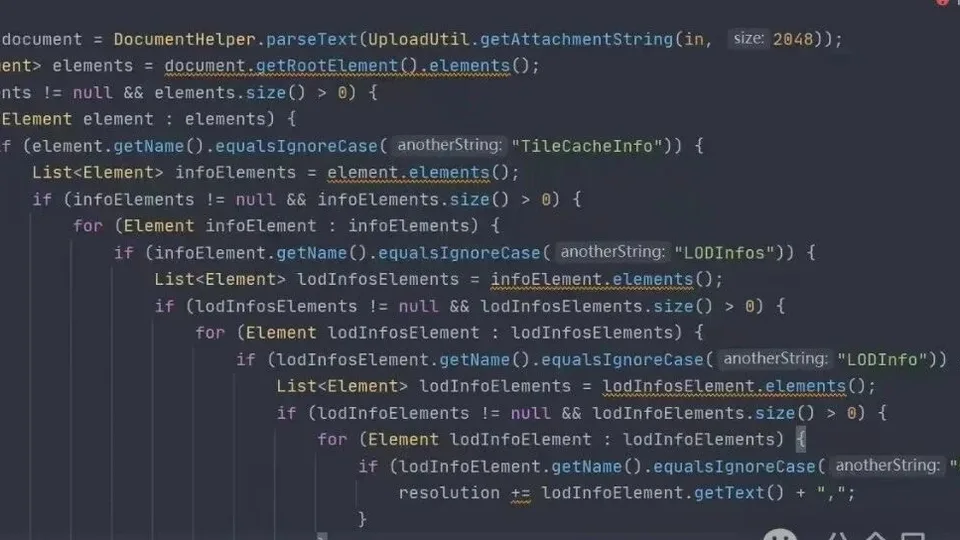
A recent study shows that while AI coding agents can complete tasks equally well on clean or messy code, cleaner code consistently reduces token consumption and file revisits, leading to lower operational costs for developers.
This article presents over sixteen practical refactoring methods for Java, demonstrating how to replace tangled if‑else statements with clearer constructs such as early returns, ternary operators, switch‑case, guard clauses, optional handling, enums, reflection, strategy, and table‑driven approaches, each illustrated with concise code examples.
This article explains how the optional‑chaining (?.) and nullish‑coalescing (??) operators simplify deep object access and default‑value handling in JavaScript, offering concise, safe alternatives to verbose if‑else checks, try‑catch blocks, and the logical‑or operator.
The article compares messy Spring MVC controllers packed with try‑catch, field checks, and business logic to concise, well‑structured versions that use @Valid, service delegation, and global exception handling, and provides a step‑by‑step refactoring guide.
This article reviews practical techniques for writing cleaner React components, covering anti‑patterns like prop spreading, using object parameters, curried event handlers, preferring map over if/else, leveraging custom hooks, and splitting components with wrappers, separation of concerns, and dedicated files to improve readability and scalability.