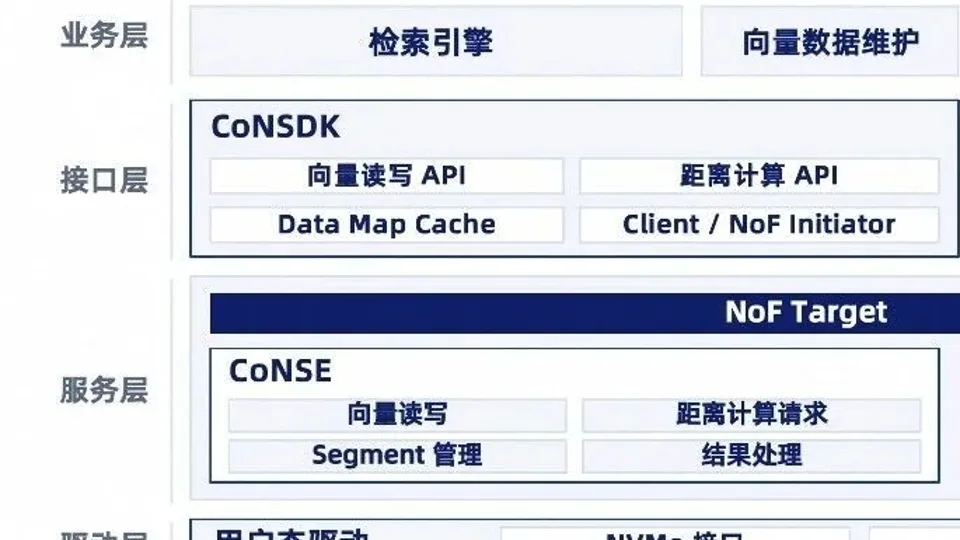
Alibaba Cloud's CoNSE engine offloads vector distance calculations to SSD controllers, cutting host data movement and CPU overhead; it supports multiple distance metrics and precisions, integrates with HNSW and DiskANN, and delivers 2-3x query throughput with 50%+ CPU reduction and 30-90% memory bandwidth savings in bare-metal and cloud-native deployments.
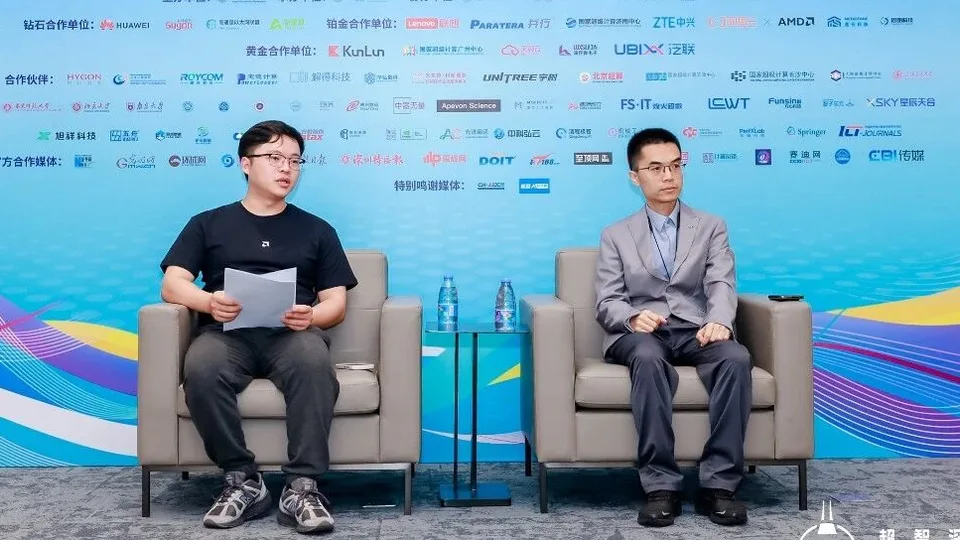
At CCF HPC 2026, Alibaba Cloud unveiled E-HPC's evolution into an Agent-driven research execution platform and launched the hpc9a instance powered by AMD EPYC 9005 processors, highlighting CPU's renewed role in AI-era orchestration and data throughput for HPC workloads like EDA, life sciences, and embodied intelligence.
The article analyzes two iCloud outages in November 2026, revealing how authentication service failures locked users out of data and password resets, explores iCloud's architecture, compares with Azure's similar outage, and discusses local-first, DID, and multi-cloud alternatives for resilience.
This article provides a comprehensive overview of SaaS, covering cloud service models (IaaS, PaaS, SaaS), key characteristics, differences from traditional and internet software, B2B2C model, SaaS classifications, implementation steps, core components, and detailed analysis of three multi-tenancy isolation patterns with their trade-offs.
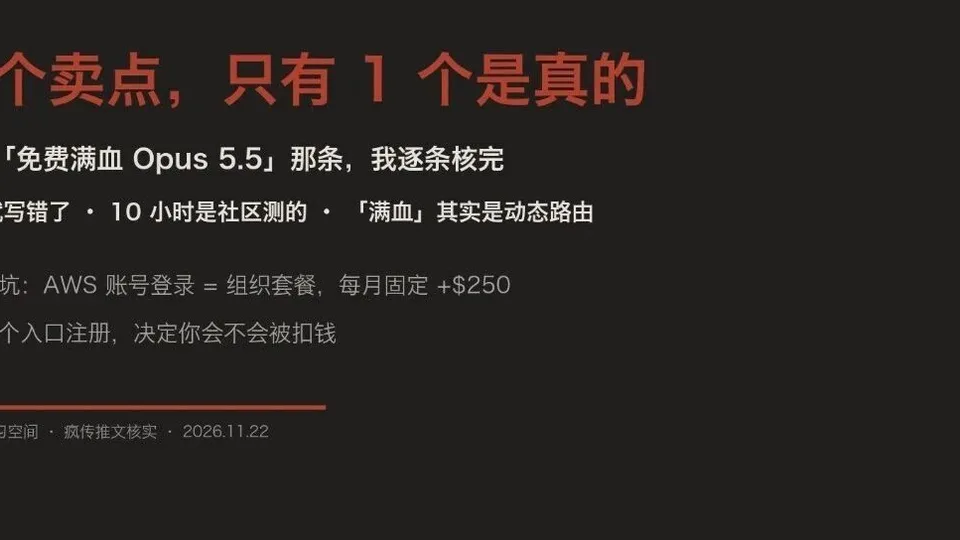
A fact-check of a viral post claiming AWS Quick (misnamed Harness) offers free full Opus 5.5 with 10 hours/month unlimited multi-account use; only billing by AI active time is true, while product name, quota numbers, model routing, and login paths are misrepresented or dangerous.
The author details building a multi-account AWS landing zone in China regions where Control Tower is unavailable, using Organizations, IAM Identity Center, CloudFormation StackSets, and Terraform to create a four-account structure with SCPs, centralized logging, Config, Security Hub, and a validated compliance loop, documenting real-world pitfalls and timings.
Analyzes the 2026 Google Cloud Europe power outage that took down banking and music streaming services, detailing data center power architecture weaknesses, failure propagation paths, single-cloud dependency risks, and practical multi-cloud, hybrid cloud, and chaos engineering strategies for resilience.
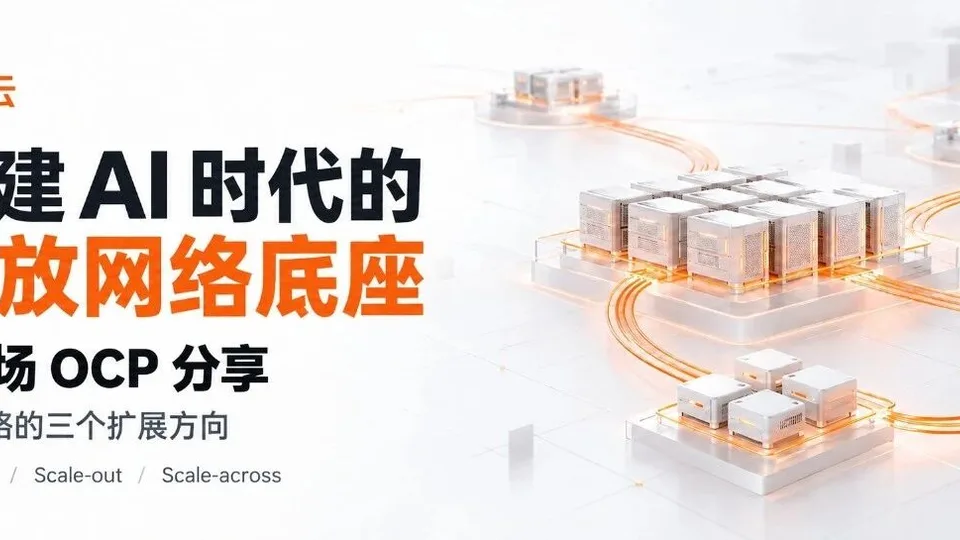
Alibaba Cloud presented nine technical sessions at OCP 2026 covering AI network architecture, DCI, optical transport, SONiC, switch chip evaluation, and automated testing, detailing three scaling directions — Scale-up, Scale-out, Scale-across — and open-source engineering practices like Bazel, formal verification, and vSONiC digital twin testing.
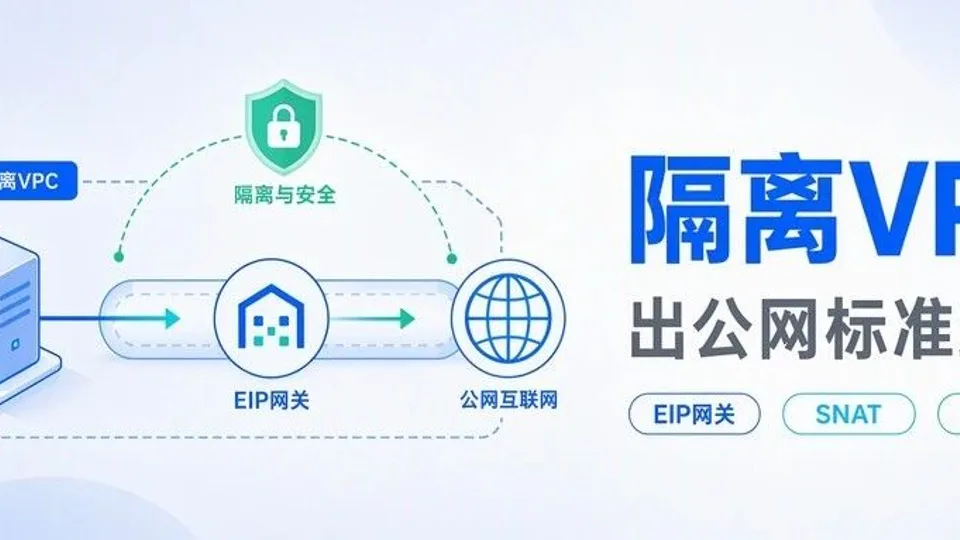
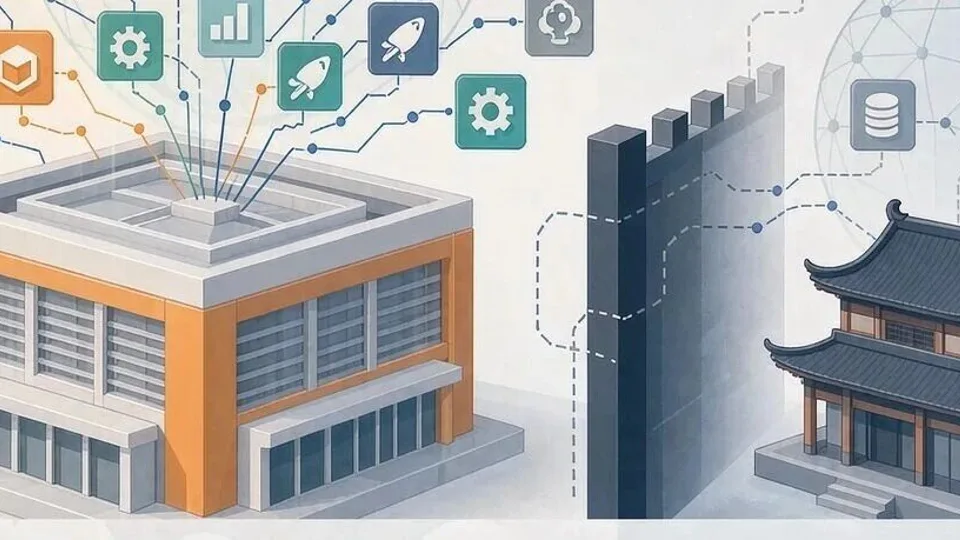
This article analyzes structural defects in traditional SNAT-based egress for isolated VPCs—public IP waste and unauditable dual egress—and presents a standard path redesign using a unified EIP gateway with deterministic port block allocation, VXLAN tunnels, and DPVS isolate_public for auditable, scalable outbound internet access.
This beginner's guide explains cloud computing fundamentals, covering what the cloud really is, its three service models (IaaS, PaaS, SaaS), four deployment types, key technologies like virtualization and containers, core advantages, common use cases, and major Chinese cloud providers.
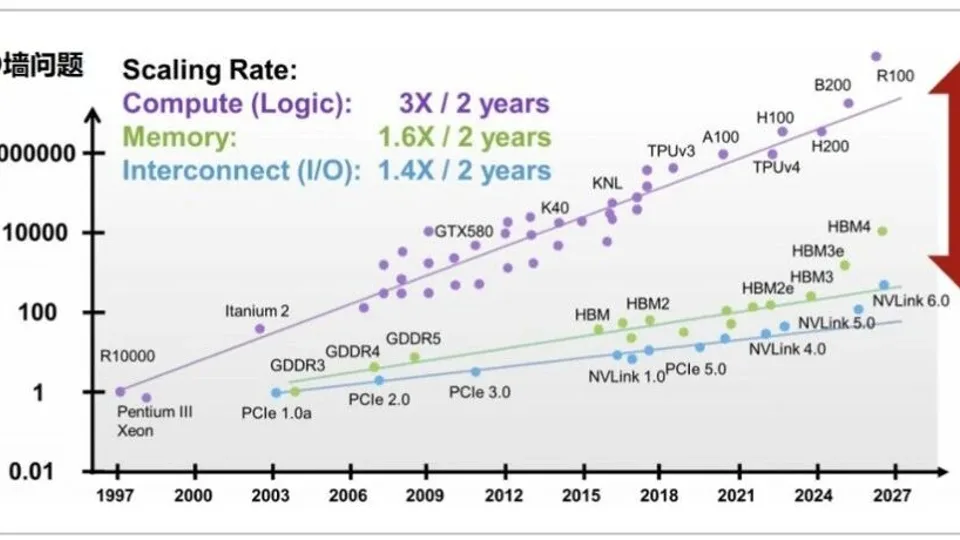
As AI models approach trillion-parameter scale, copper interconnects in Scale-Up domains hit distance, signal integrity, and power limits, driving adoption of Near-Package Optics (NPO) as a near-term solution and Co-Packaged Optics (CPO) as the long-term standard for multi-rack GPU clusters.
Alibaba Cloud unveiled a three-layer architecture for AI agents at Yunqi 2026, launching Agent-specific instances, 10th-gen g10a, E-HPC Agent, and Elastic Computing Agent, with case studies showing 30-50% performance gains and 40% cost reduction for voice agents.
Based on live API testing in Beijing and Ningxia regions, this analysis reveals five hidden gaps between AWS China and global regions: version parity (14/18 core services synced), missing AI services and CloudFront deprecation, EKS quota API absence, developer experience hurdles (no CloudShell, ICP filing), and inverted pricing where Ningxia beats US-East.
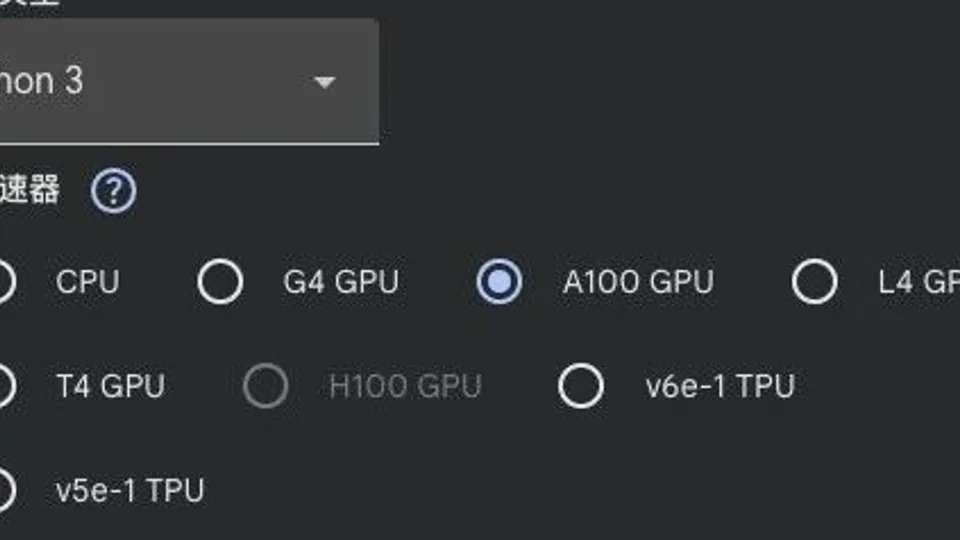
Google's Gemini Pro subscription now includes Colab Pro benefits, providing ~200 monthly compute units for A100 GPU access (~37 hours/month), suitable for short AI experiments but not for persistent services or long training due to runtime limits and 90-day unit expiry.
Alibaba Cloud unveiled its full-stack Agentic Storage product matrix at the 2026 Yunqi Conference, spanning AI Native storage for trillion-parameter model training and inference, and Agent Native storage for million-agent concurrency, featuring CPFS, KVCacheStore, AgenticFS, and vector memory services with concrete performance gains.
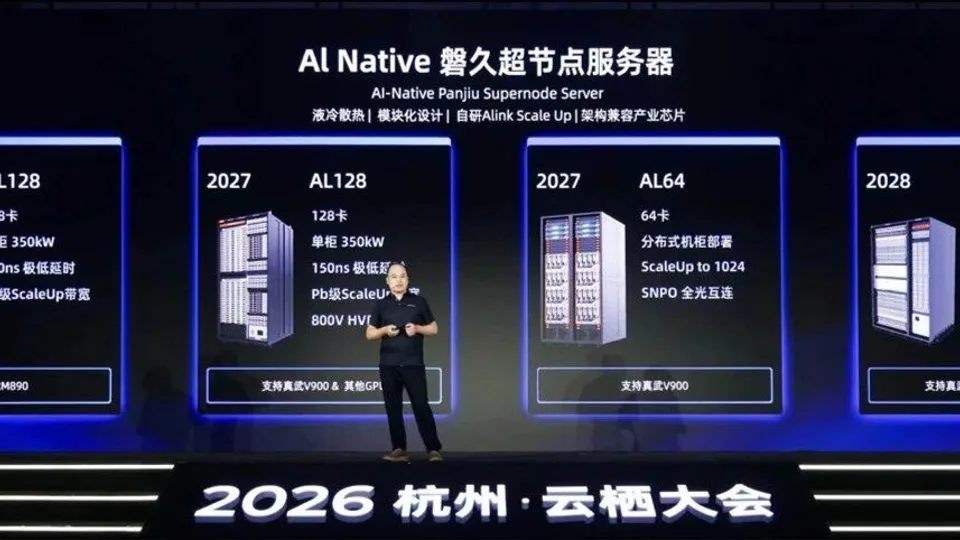
Alibaba Cloud's Panjiu AL64 super node integrates the Zhenwu V900 AI chip, ICN Switch, Panmai smart NIC, and Zhenyue SSD controller to enable 500,000-GPU cluster scaling via a three-tier interconnect architecture and liquid-cooled orthogonal design.
FreeBSD release engineering lead Colin Percival announces a new Amazon Machine Image with KDE Plasma desktop, Chromium, and LibreOffice pre-installed, accessible via RDP on AWS EC2, designed to mimic Windows behavior and available on the AWS free tier, though the AWS console currently misidentifies RDP support.
Tencent Cloud's MQTT service now commercially supports MQTT over QUIC, leveraging QUIC's connection migration, 0-RTT handshakes, and stream-level multiplexing to drastically reduce device disconnection windows and server reconnection storms in mobile IoT scenarios like connected vehicles and drones.
Baidu releases the Tianchi Super Node system architecture design specification, covering cabinet, power, cooling, node, interconnect, and management modules with concrete specs for 32/64-GPU cabinets, hybrid air-liquid cooling, 1.5μs interconnect latency, and two-level BMC management to enable standardized, reusable high-density AI infrastructure.
Baidu Intelligent Cloud has opened its Tianchi supernode reference architecture, a production-validated design for high-density AI compute clusters, to lower barriers for industry-wide adoption by providing a reusable blueprint covering interconnect, power, cooling, and maintenance principles proven across hundreds of cabinets running trillion-parameter models.