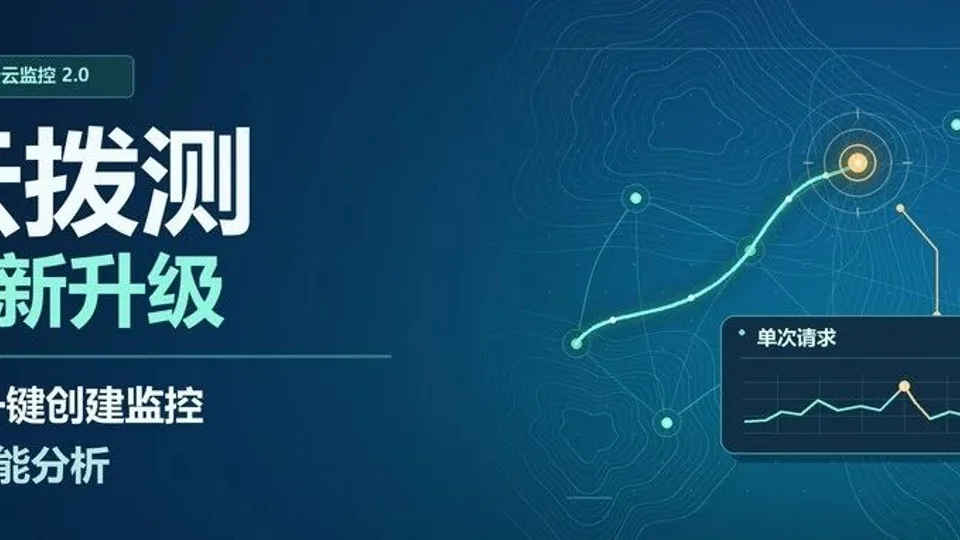
Alibaba Cloud's upgraded Cloud Dial-test integrates AI-assisted natural language task creation, visual access-quality analysis across regions and carriers, and STAROps intelligent diagnosis that correlates network and application evidence to accelerate troubleshooting for both public and VPC services.
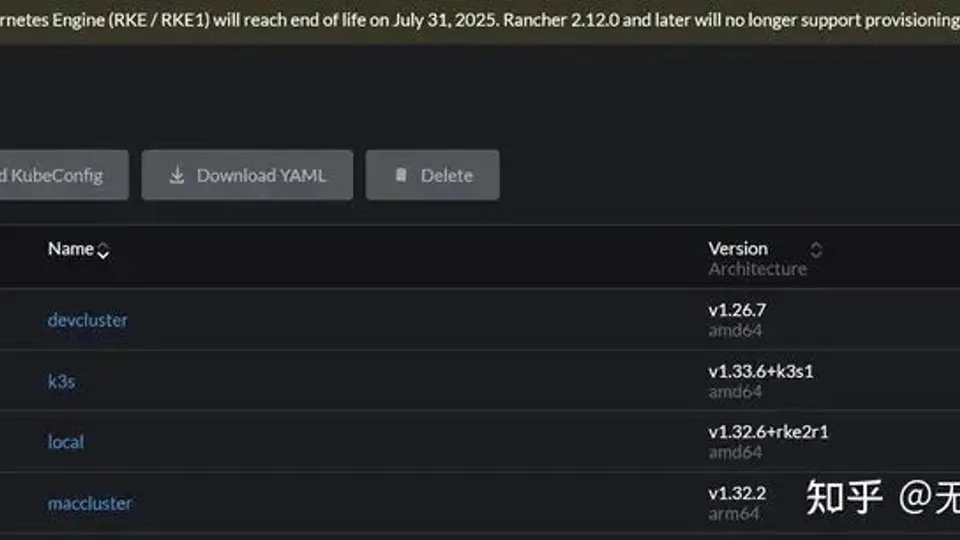
A 30-person company shares how adopting Kubernetes with Rancher and RKE2 across production and test environments simplified deployment, operations, and onboarding, providing built-in HA, load balancing, service discovery, config management, and security via egress policies, while arguing the learning curve is manageable with a structured learning path.
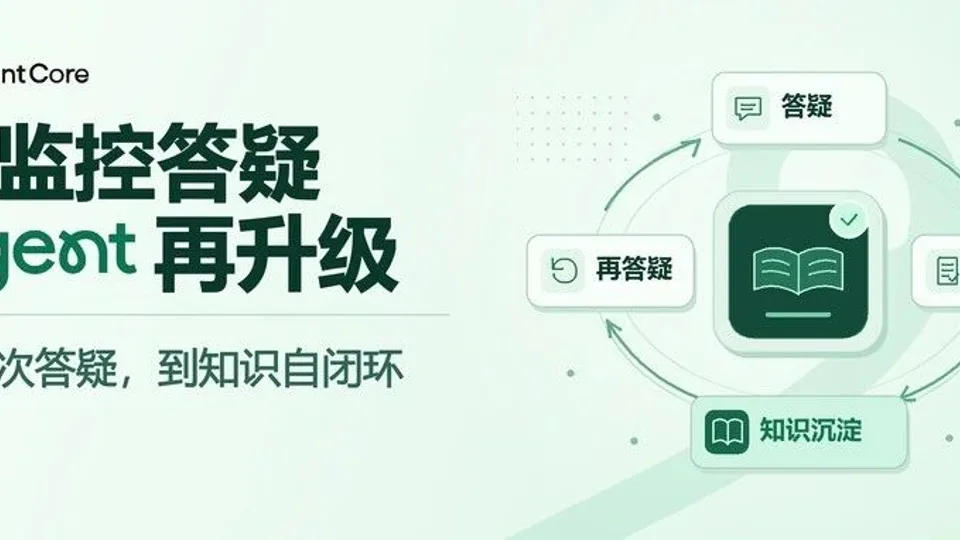
Alibaba Cloud's upgraded monitoring Q&A agent, built on AgentCore, unifies eight diagnostic domains into a single agent accessible via DingTalk, Web, and OpenAPI, using skills and runbooks for evidence-based troubleshooting and establishing a knowledge closed-loop through post-mortem reviews, validation, and continuous iteration.
This article compares four NVIDIA GPU sharing methods—MIG, MPS, Time-Slicing, and vGPU—for Kubernetes clusters, detailing their isolation levels, hardware requirements, configuration steps, verification procedures, and failure-mode analysis to help operators select the right approach for their workloads.
The article details a production-grade self-healing system using Prophet time-series forecasting for predictive Kubernetes scaling, dynamic alert thresholds, and RAG-based fault diagnosis, reducing 503 errors by 70%, false alerts by 60%, and MTTR from 30 to 8 minutes.
This weekly report covers updates across ten cloud-native open source projects including AgentTeams v1.2.8 improving task acceptance and checkpoint recovery, HiRoute v0.6.5 unifying new model trials, Higress enhancing MCP composite tool listings and case-insensitive domain matching, LoongSuite Pilot adding Multica diagnostics and Qwen collaboration capture, AI Agent Handbook adding a new game level and STAROps decision-model analysis, AgentScope Java supporting structured streaming output, Nacos improving Copilot connection visibility and Skill subscription metadata, LoongSuite Python adding CrewAI native tool tracing, RocketMQ separating Proxy admin and data plane bindings, and ChaosBlade strengthening build verification for JVM fault injection.
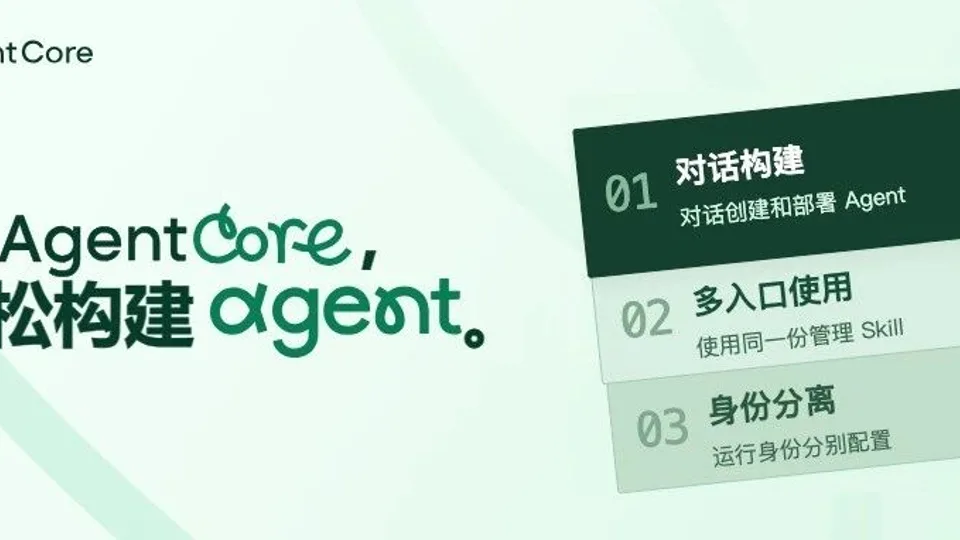
This article explains how to create AI agents on Alibaba Cloud AgentCore using the AC Manage Skill from three environments — local Codex, hosted AgentCore agents, and self-deployed high-code agents — detailing permission models, deployment steps, and verification methods.
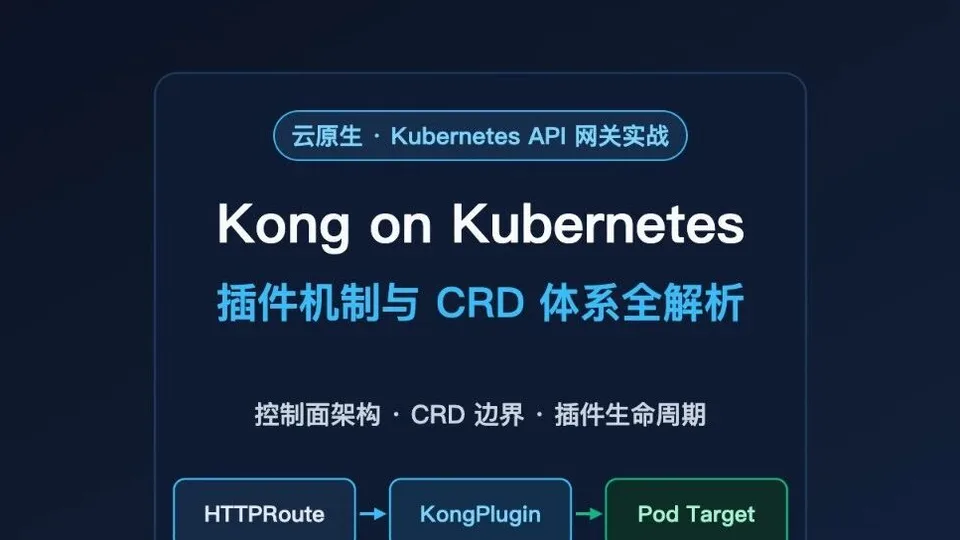
This article systematically explains Kong Gateway's architecture in Kubernetes, mapping active vs deprecated CRDs, detailing plugin lifecycle phases, priority rules, binding methods, and providing an end-to-end Gateway API configuration template with production pitfalls.
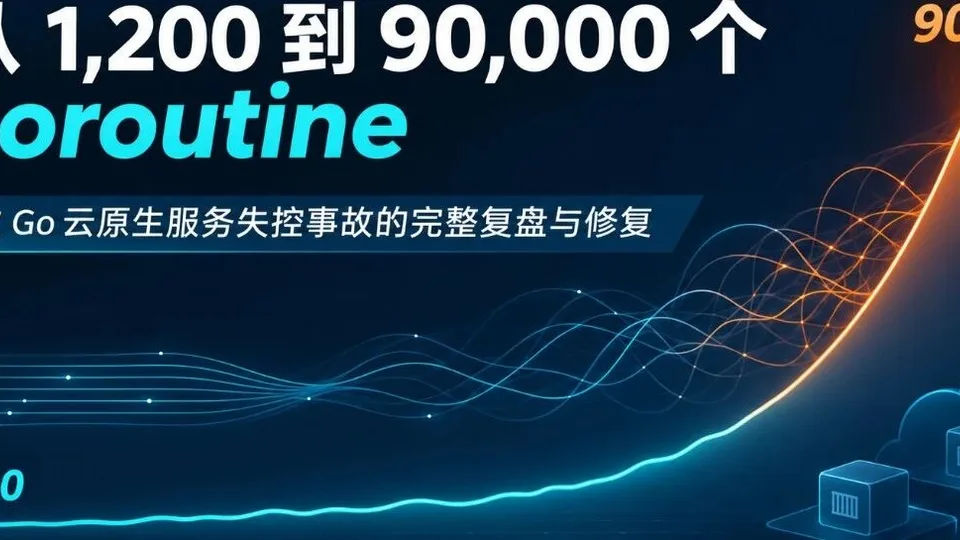
This article dissects a Go cloud-native service incident where goroutines surged from 1,200 to 90,000 due to downstream 429 errors, unbounded concurrency, and missing backpressure, causing OOM kills and latency spikes. It presents evidence-based debugging, bounded worker pools, retry budgets, graceful shutdown patterns, and verification drills to prevent recurrence.
A comprehensive guide to Kubernetes storage architecture with Ceph RBD, covering PV/PVC/StorageClass contracts, CSI sidecar roles, RBD constraints, version compatibility, production baselines, troubleshooting commands, and three real-world failure case studies with root-cause analysis and rollback procedures.
Haier's Yingkang Yisheng partnered with Alibaba Cloud to deploy Xiaoying Agent OS across 13,000 employees, overcoming engineering, scale, and collaboration hurdles via AgentCore and AgentLoop to incubate 465 AI-native apps and 7,721 high-quality scenarios, turning agents from demos into organizational productivity infrastructure.
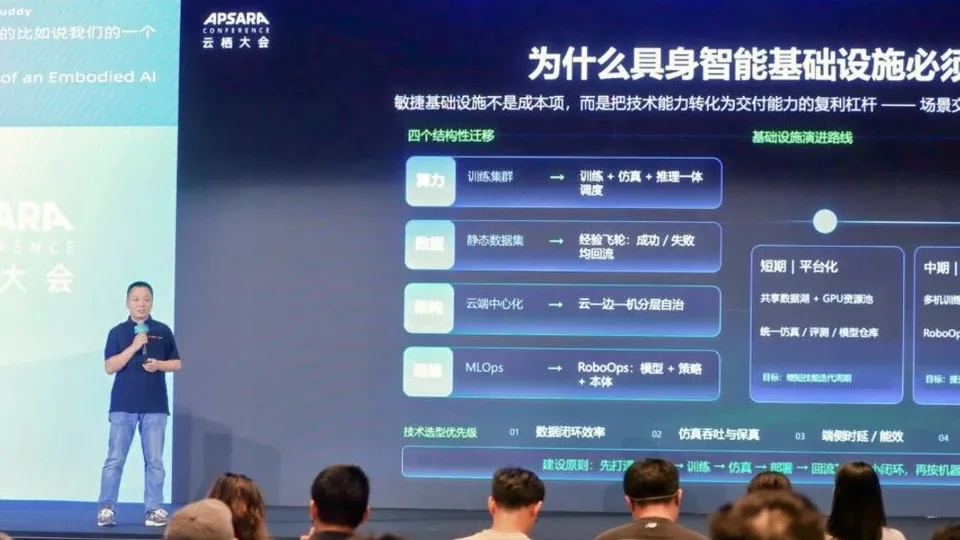
This article details Alibaba Cloud's cloud-native platform for embodied intelligence, covering modular infrastructure integrating compute, storage, and workflow orchestration (ACK Pro, Argo Workflows, Ray), a case study of Mifeng Technology's data platform achieving 10M hours/year capacity with elastic scaling, edge-to-cloud security, and unified cluster management across four compute pools.
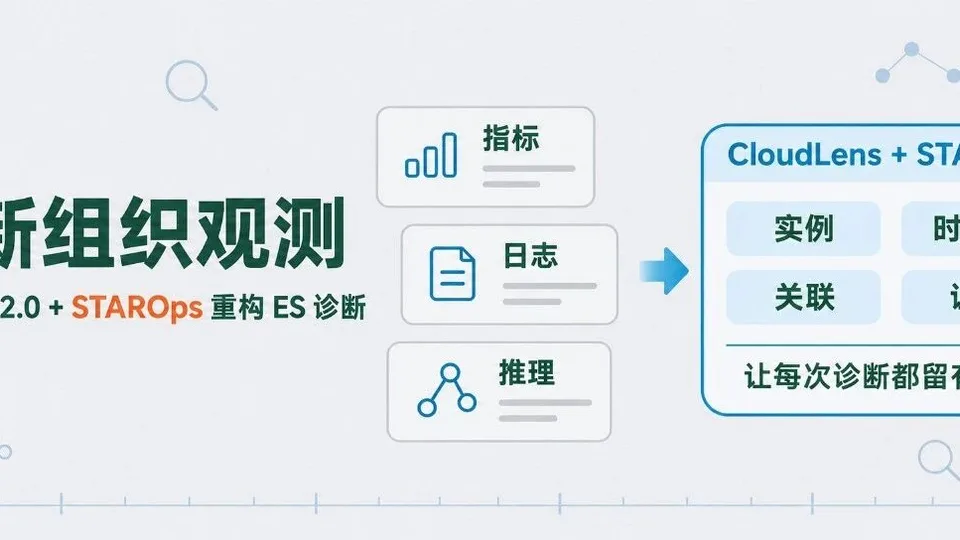
This article details how CloudLens for Elasticsearch leverages Cloud Monitoring 2.0 and UModel to unify metrics and logs per instance, then applies STAROps' four-round diagnostic framework—scoping, drilling down, log verification, and conditional recommendations—to transform ad-hoc troubleshooting into evidence-based, reproducible investigations.
The article argues that despite AI agents automating code generation and deployment, Kubernetes remains critical as the secure, controllable runtime for production AI workloads, citing cost optimization at China Merchants Bank, security via Google's Agent Substrate, and industry data showing 75% of cloud-native developers use AI tools while agents still require human oversight.
Lenovo Baiying partnered with Alibaba Cloud AI Gateway to create Token Plan and Token Key, enabling unified model access, fine-grained metering, traffic scheduling, and FinOps for scalable AI service delivery.
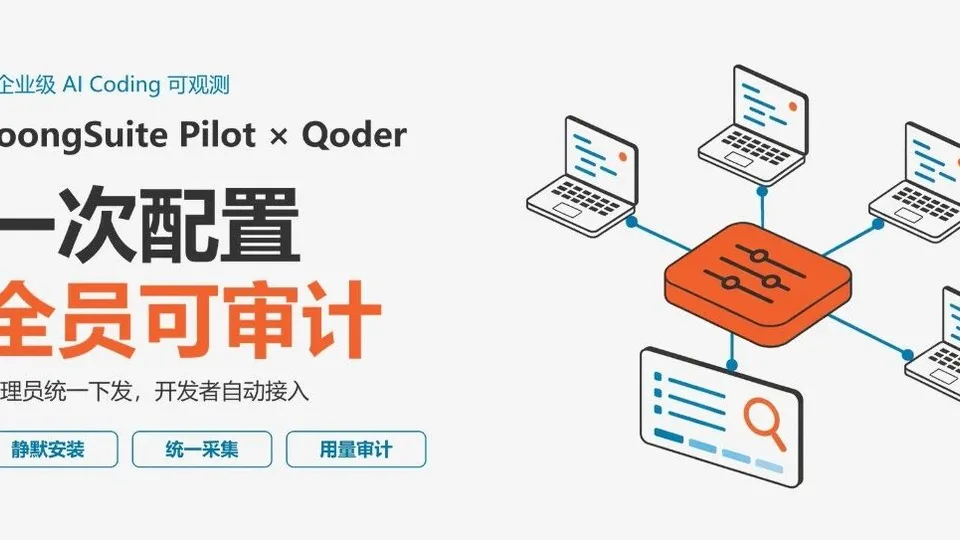
This guide details how enterprise admins use the AgentLoop plugin in Qoder to automatically deploy collectors across teams via the private marketplace, then query AI agent usage, token consumption, risks, and intent through natural language chat, generating drill-down dashboards without writing SQL or managing infrastructure.
This weekly report covers November 9–16, 2026 updates across eight cloud-native open-source projects: HiRoute v0.6 adds Omarchy desktop support and agent onboarding guides; Higress 2.2.6 isolates MCP access and AI cache per consumer; AgentTeams 1.2.7 unifies harness images and adds team/task tracing; LoongSuite Pilot 1.17 links sub-agent traces to parent tasks; AgentScope Java 2.0.5 hardens command approval and memory isolation; Nacos advances cross-namespace Skill sharing; RocketMQ optimizes transaction batch threads; and AI Agent Handbook launches an interactive AgentLoop game map.
This article demonstrates how to use the STAROps Elasticsearch Intelligent Assistant to diagnose search performance degradation despite a Green cluster status, by drilling down to node-level metrics, correlating CPU usage, shard distribution, and slow logs, and establishing automated inspection tasks for ongoing monitoring.
The article explains how LoongSuite Pilot normalizes telemetry from 20+ AI coding agents into a unified GenAI event schema with three-level session structure, token breakdowns, cost fields, and provider normalization, while its Qoder plugin achieves near-100% collection coverage via silent installation, self-healing, auto-updates, and parameter-fingerprint-based idempotent upgrades — all driven by a single admin configuration pushed through Qoder's enterprise marketplace.