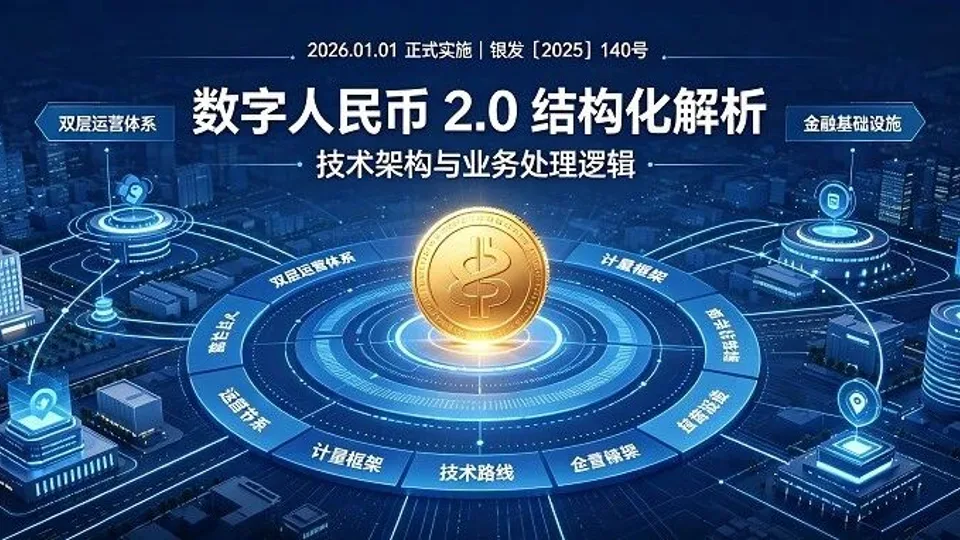
This article analyzes China's Digital Yuan 2.0 system architecture, detailing its shift from cash-type to deposit-money framework, the 'one coin, two vaults, three centers' design, coin string data model, smart contract lifecycle, dual-offline payments, cross-border settlement via mBridge, and privacy-compliance trade-offs.
Ethereum outperformed Bitcoin with a 57% quarterly gain in Q3 2026, driven by the Pectra upgrade, a revived deflationary blob-fee model, SEC approval for ETH ETF staking, booming RWA adoption on Ethereum, and a dominant developer ecosystem across L2s like Base and Arbitrum.
On June 21, the notorious JaredFromSubway.eth MEV sandwich bot was exploited by an attacker who leveraged the bot’s own automated token‑approval logic, draining over $7.55 million in WETH, USDC and USDT through a multi‑stage scheme involving fake tokens, deceptive liquidity pools, and a transferFrom call.
The paper presents Agora, a hypothesis‑driven multi‑agent system that integrates domain knowledge with large‑model agents to automatically detect deep logic bugs in production‑level consensus protocols, discovering 15 previously unknown vulnerabilities across Raft, EPaxos, HotStuff and BullShark while outperforming GPT‑5.2, Claude 4.5 and other baselines at a fraction of the token cost.
Anthropic's Claude Opus 4.8 uncovered a four‑year‑old vulnerability in Zcash's Orchard privacy protocol that lets attackers mint unlimited fake ZEC, leading to a near‑50% price plunge, a rapid emergency fix, and a broader signal that AI‑assisted security audits are becoming a reality in blockchain.
On August 1, 2022, a simple 0x00 initialization bug in Nomad's cross‑chain bridge let over 300 addresses copy‑paste a transaction and drain nearly $190 million in hours, illustrating how a missed audit can trigger a massive, decentralized exploit and subsequent legal fallout.
A coordinated multi‑chain attack on the Wasabi Protocol on April 30, 2026 stole roughly $5‑$5.5 million, moved the assets across Ethereum, Base, Berachain and Blast, and ultimately laundered the entire amount through Tornado Cash, highlighting critical key‑management failures in DeFi.
In April 2026, the DeFi liquid staking protocol KelpDAO lost roughly $290 million worth of rsETH after a sophisticated attack by the Lazarus Group that combined RPC node poisoning with a DDoS on the LayerZero Decentralized Verifier Network, prompting emergency measures across major lending platforms.
An investigation reveals that North Korean state‑linked developers, using fake identities and remote tooling, have simultaneously held senior roles in several Solana‑based DeFi projects, leading to a sudden 62% TVL drop in Stabble and exposing systemic vulnerabilities in the industry’s hiring and audit practices.
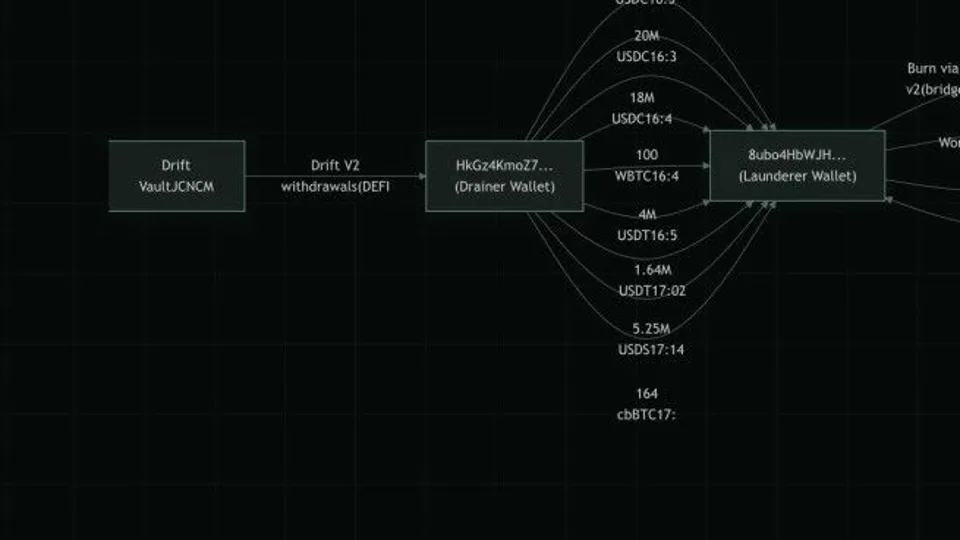
On April 1 2026, the Solana‑based Drift Protocol lost $285 million in a 12‑minute exploit that leveraged a fake CVT token, a vulnerable 2‑of‑5 multisig, and Solana's Durable Nonce feature, with investigators linking the attack to North Korea's Lazarus Group and highlighting systemic governance and oracle risks.
The article examines why Web3 remains cold and unattractive to ordinary users, critiques its limited use cases and trust issues, and proposes that its true potential may lie in serving AI agents as a foundation for a forthcoming Web4 ecosystem where machines become autonomous economic participants.
Oracles serve as the crucial bridge that enables smart contracts to access off‑chain data, and while they are the dominant solution for real‑time on‑chain updates, the article also explores alternative approaches such as centralized data entry, state channels, sidechains, and cross‑chain oracles, outlining their pros, cons, and challenges.
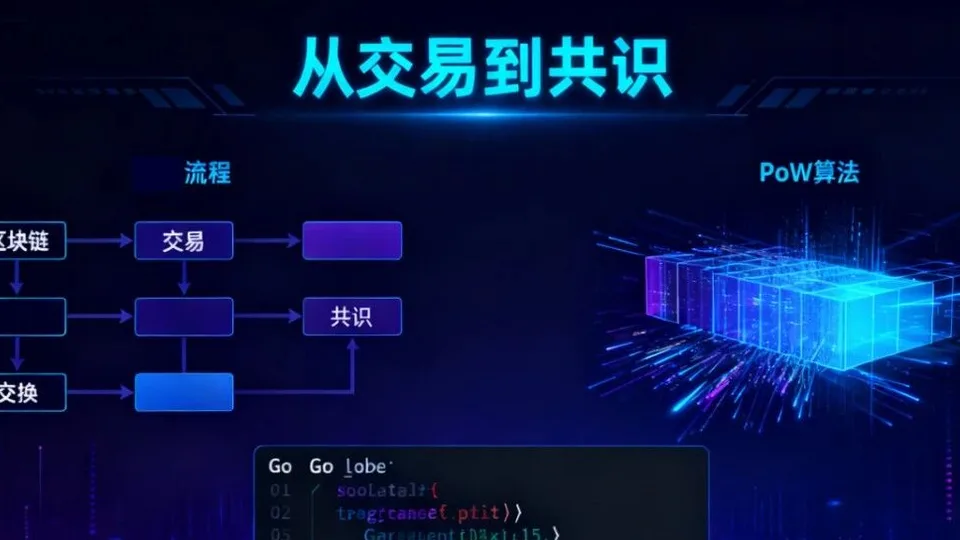
This tutorial walks through extending a Go mini‑blockchain with transaction structures, hashing, signatures, a mempool, block verification, proof‑of‑work consensus, mining rewards, and a balance‑query example, providing complete source code for each step.
The article explores the challenges Chinese chain brands face when collecting, managing, and distributing money worldwide, analyzes fragmented local payment habits, compares traditional card networks, local aggregators, and blockchain‑based stablecoin solutions, and offers strategic guidance for startups and incumbents to build integrated global payment infrastructures.
Solana, launched in 2020 as a high‑performance blockchain, uses Proof of History and a parallel runtime to achieve tens of thousands of TPS and sub‑cent gas fees, offering a superior user experience to Ethereum, yet it faces decentralization, security, and ecosystem compatibility challenges that will shape its future role in a multi‑chain landscape.
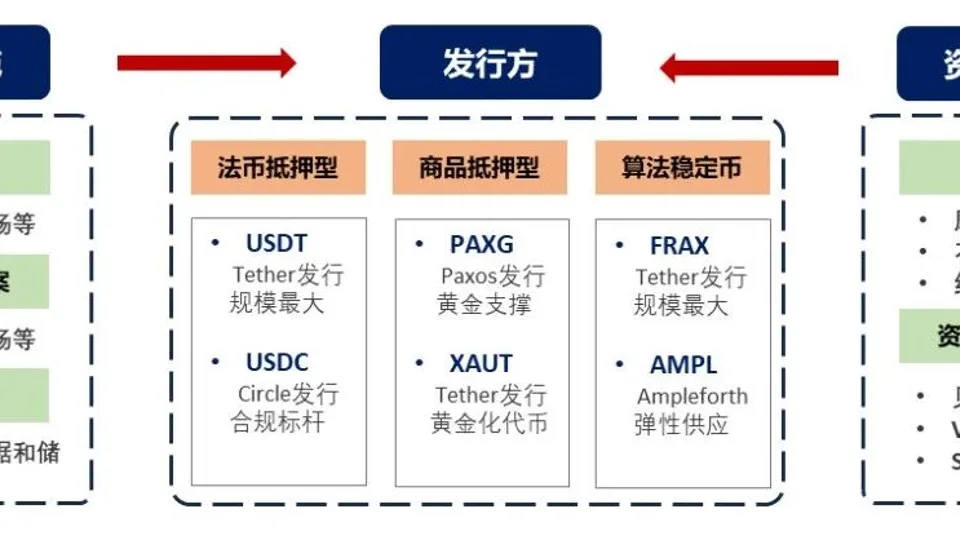
This comprehensive analysis explains how stablecoins—digital assets pegged to fiat currencies—operate through minting, burning, and reserve management, compares different models such as fiat‑backed, crypto‑backed, and algorithmic designs, examines their role in DeFi and cross‑border payments, and discusses regulatory trends shaping their evolution.
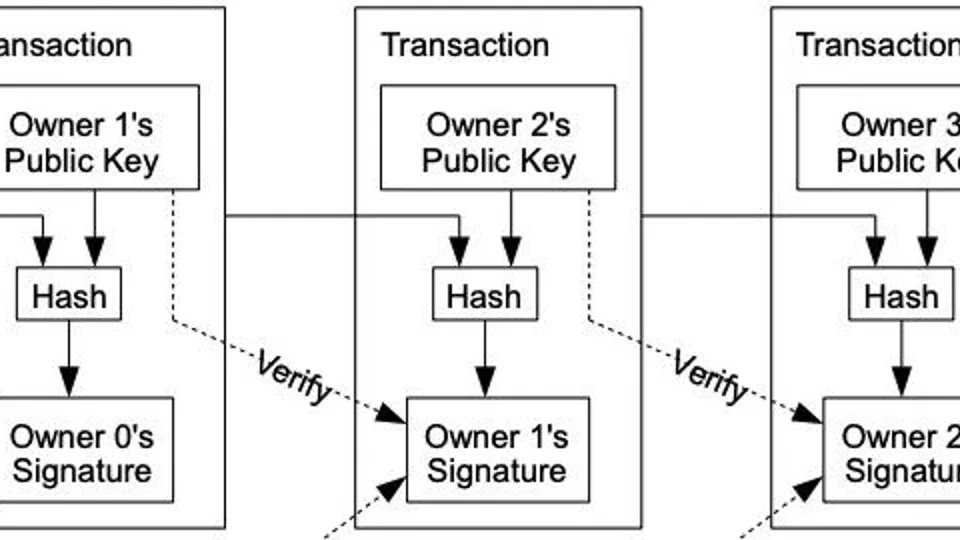
This paper presents a decentralized peer‑to‑peer electronic cash system that eliminates the need for trusted intermediaries by using digital signatures, a proof‑of‑work timestamp chain, and incentive mechanisms to prevent double‑spending and ensure transaction finality.
Southeast Asia’s digital payment market is exploding, with transaction volumes projected to hit $4.1 trillion by 2025 and a fragmented ecosystem of local wallets, banks, and emerging crypto solutions, while regulators balance innovation and risk, offering lucrative opportunities for fintechs that adapt to regional nuances.
This comprehensive glossary presents 219 of the hottest Web3, blockchain, DeFi, stablecoin and exchange concepts, offering clear definitions, key characteristics and illustrative images to help readers quickly master the essential terminology shaping the future of digital finance.
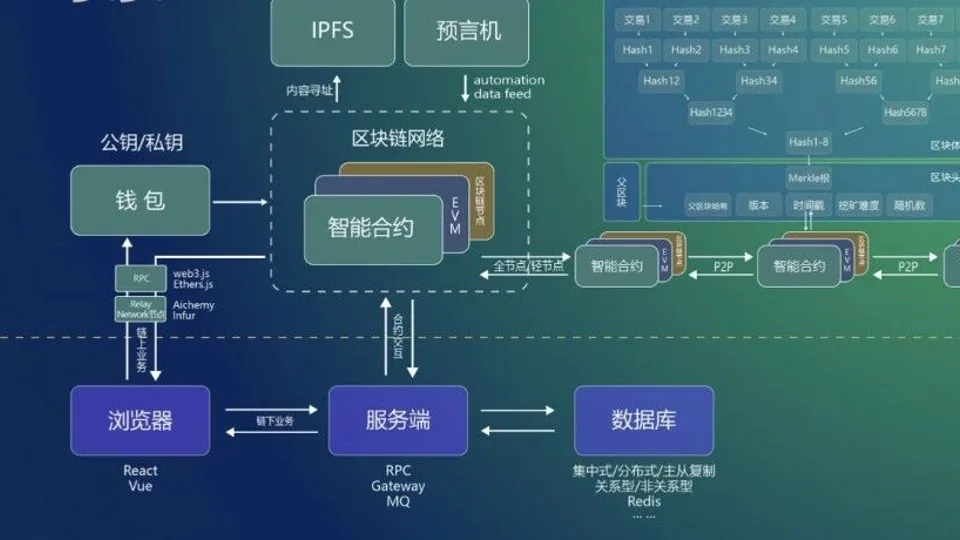
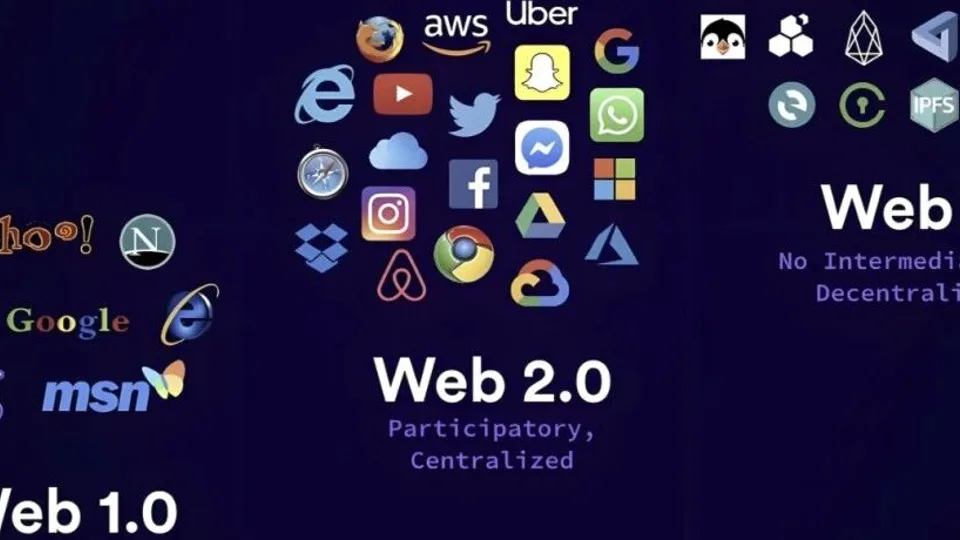
This article builds a comprehensive Web3 knowledge framework, tracing the paradigm shift from Web2’s data‑centric models to a decentralized ecosystem where blockchain, cryptography, and token economics empower users with true data ownership, new financial primitives, cross‑chain infrastructure, and a reimagined payment landscape.