This article compares Windows and Linux for office use, recommending Windows for Microsoft Office-dependent roles and Linux for browser-based or development workflows, with WSL as a hybrid option, while stressing the need to test peripherals and real tasks before switching.
The author tests AI tools like DeepSeek for generating Kubernetes YAML, finding them adequate for standard templates but lacking cluster-specific context, security hardening, realistic probe values, accurate resource quotas, and complex multi-CRD scenarios. The article argues ops engineers' core value lies in troubleshooting, architecture decisions, platform building, and deep system understanding — not writing YAML — and advises embracing AI for drafts while moving up the stack to higher-leverage work.
This article details 30 essential Linux commands for file, permission, process, and network troubleshooting, each including purpose, command, expected output, judgment criteria, and risks, plus five real-world scenarios that demonstrate diagnostic reasoning chains.
This article details building a high-availability load balancer using Keepalived VRRP with HAProxy/Nginx, covering VIP failover mechanics, split-brain causes and prevention via unicast peers and dual-network heartbeats, health check scripting, failover drill procedures with acceptance criteria, and a production checklist for reliable deployment.
This guide explains why disk space isn't freed after deleting large log files due to 'ghost files' (deleted but still open by processes), and provides step-by-step Linux commands to identify the holding processes, verify inode usage, safely release space via application reload or truncation, and prevent recurrence with proper log rotation.
This article details the engineering design of a safe AI SRE self-healing system, covering evidence collection, hypothesis diagnosis, plan authorization, conditional execution with concurrency control, persistent state recovery, and validation with compensation, using Kubernetes and Java microservices as the primary context.
This article details log collection and analysis for GPU clusters, covering kernel Xid errors, NCCL warnings, and CUDA OOM events. It compares Loki (with Grafana Alloy) and ELK (Filebeat + Elasticsearch) architectures, emphasizes collecting both Kubernetes and bare-metal node logs, explains label design pitfalls, and provides a methodology for measuring actual storage costs rather than guessing.
This article explains why Linux's true strength lies in server and infrastructure roles — headless deployment, service management with systemd, automation via scripts and Ansible, container isolation with namespaces and cgroups, and modular distributions like OpenWrt and Android — rather than desktop usability, and suggests hands-on projects to experience these capabilities.
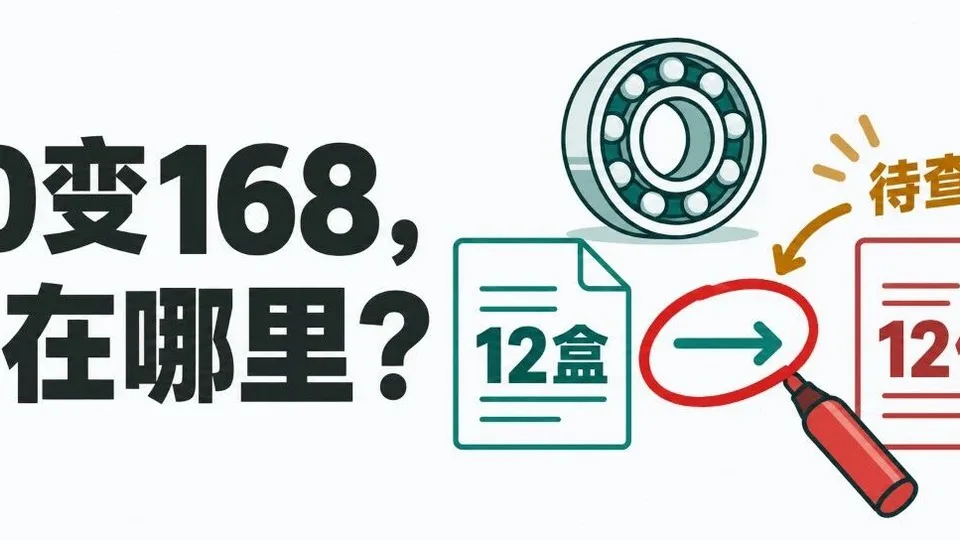
This article outlines a systematic debugging process for a replenishment assistant that incorrectly suggested 168 units instead of 60, emphasizing preserving evidence, tracing unit conversion errors through the pipeline, reproducing with saved inputs, regression testing, handling legacy tasks, and deciding whether to continue, reduce, or retire the system based on operational evidence.
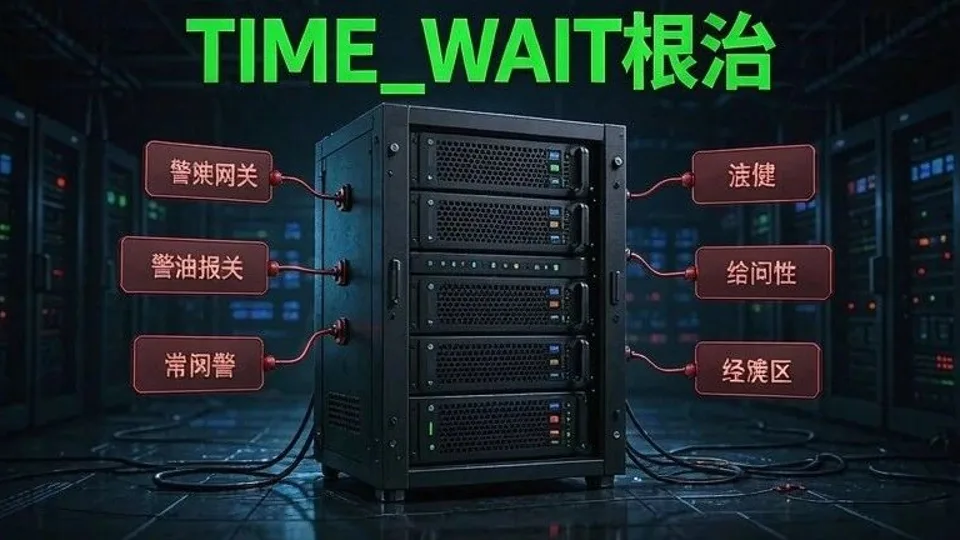
This article provides a systematic troubleshooting guide for excessive Linux TCP TIME_WAIT states, covering root-cause identification via packet capture, application-layer fixes like Nginx keepalive and connection pools, kernel parameter tuning (tcp_tw_reuse, port range), and architectural solutions such as multi-target IP distribution, with verification commands and rollback procedures.
This article presents a practical framework for analyzing enterprise AI agent usage across five dimensions — adoption, token allocation, task performance, cost efficiency, and risk control — using AgentLoop's audit logs and custom reports with concrete mock data examples.
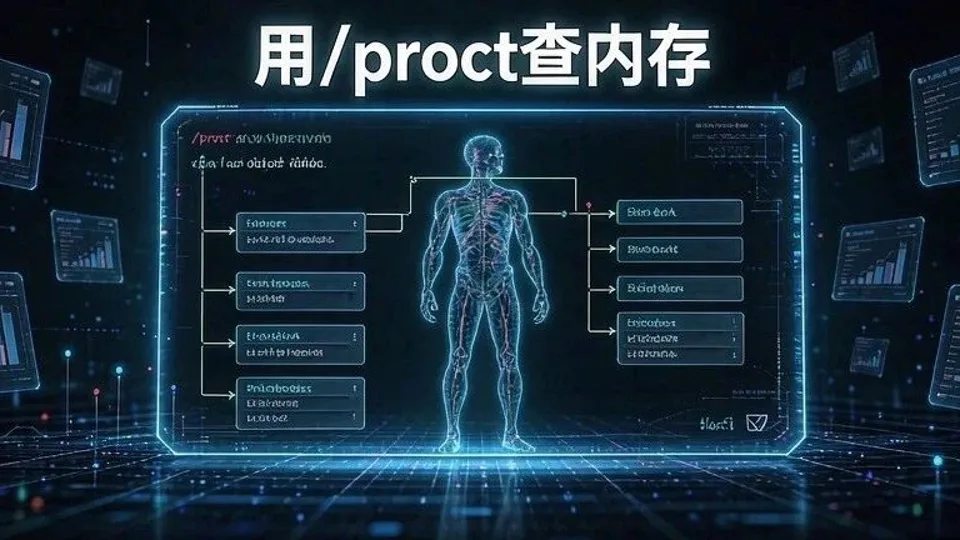
This comprehensive guide teaches Linux engineers how to use the /proc filesystem to diagnose memory issues that standard tools like top and free miss, covering system-level analysis, process memory breakdowns, swap investigation, kernel memory tracking, and memory leak detection with practical commands and interpretation logic.
This guide details a safe, step-by-step process for initializing and hardening Linux servers (Rocky Linux 9/RHEL 9 and Ubuntu 24.04) before production deployment, covering inventory, hostname/time, patches, admin users, SSH hardening, firewall, SELinux/AppArmor, sysctl, service reduction, filesystem mounts, audit/logging, and a read-only validation script, emphasizing verification at each step to avoid lockout.
This guide compares four beginner-friendly Linux distributions—Linux Mint, Ubuntu LTS, Zorin OS, and Fedora Workstation—matching each to specific user needs like familiar desktop layouts, development environments, visual polish, and cutting-edge GNOME features, while emphasizing live USB testing before installation.
A practical 3-minute framework for diagnosing 100% CPU spikes in production: identify the offending process and thread, distinguish user vs system vs I/O wait vs steal time, use perf and strace for call stacks, apply language-specific forensics for Java, Python, and Go, check container CPU throttling, and apply safe mitigations like rate limiting, scaling, and controlled rollbacks with verification.
This article details how Alibaba Cloud's STAROps platform automates website troubleshooting by correlating logs, metrics, and traces to pinpoint root causes across six real-world fault injection scenarios, providing reusable prompt templates and a step-by-step framework for latency analysis, error diagnosis, cascade failure isolation, and daily health inspections.
This final article in the RocketMQ series consolidates nine prior mechanism deep-dives into a practical runbook covering cluster delivery checklists, topic matrix governance, quarterly failure drills, a 10-category incident quick-reference, big-promotion contingency timelines, and executable scripts for broker configuration, delivery validation, and traffic degradation.
This article presents a practical framework for distinguishing individual AI-driven efficiency gains from genuine organizational capability improvement, using a retail returns case study to illustrate steps like baseline measurement, root-cause analysis, task contracts, cross-team validation, and sustained governance.