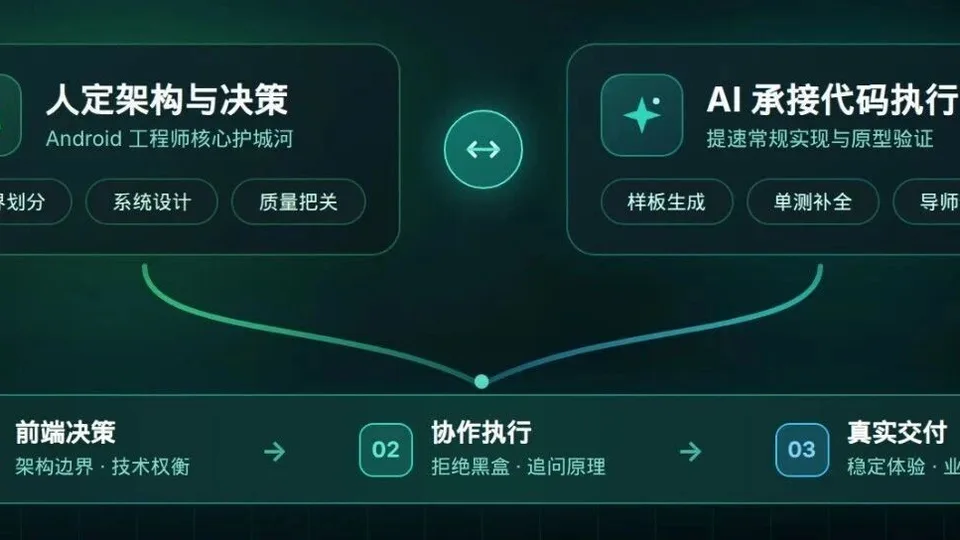
As AI takes over routine coding tasks, Android engineers must shift focus from syntax mastery to architectural decision-making and delivery outcomes, avoid blindly accepting AI-generated code, and adopt a four-step practice of curated learning, hands-on demos, reverse-questioning AI, and fostering team psychological safety for experimentation.
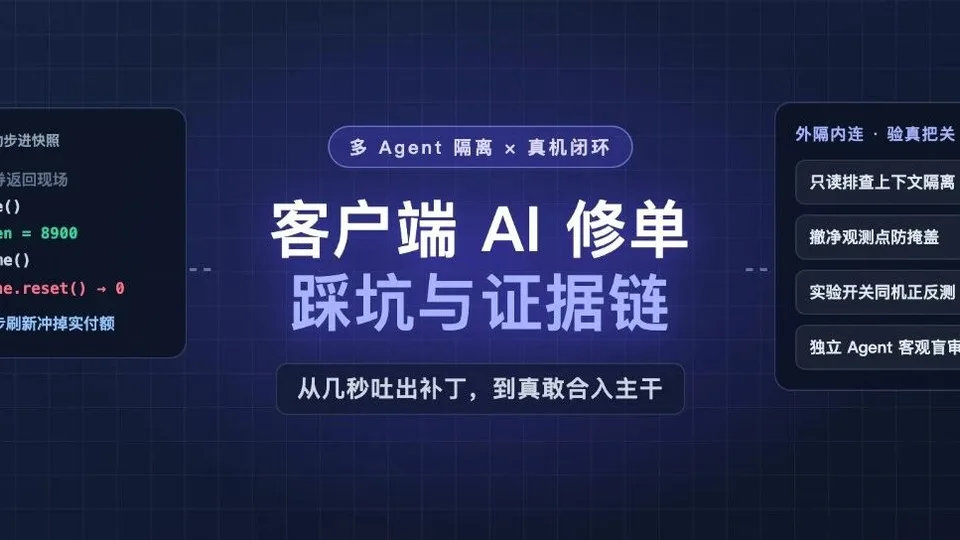
The team shares their journey from failed attempts at using generic coding agents for mobile bug fixing to building a multi-agent system with isolated contexts and continuous real-device sessions, featuring cross-module root-cause analysis, dynamic instrumentation, and a four-step verification pipeline that produces merge-ready patches with evidence chains.
HarmonyOS SDK introduces pre-validation via isNeedGetPermissionFromUser() to eliminate unnecessary clipboard permission dialogs, demonstrating four optimization principles—minimum permission, on-demand triggering, clear copy, and secure controls—through TravelSky's real-world implementation that reduced user interruption while maintaining privacy compliance.
The article demonstrates how the HarmonyOS Ads Kit Agent Skill on Matrix platform uses automated scene recognition and a decision tree to generate compliant ad integration code from a single prompt, handling splash, native, and rewarded video ads with compilation verification.
The article describes three automated feedback loops—performance, memory leak detection, and reliability—for a chat assistant Android app, using on-device tracing, heap analysis, and black-box testing to continuously measure, diagnose, and guard against regressions on real devices.
The team transformed an Android chat assistant with zero tests and CI into a robust product through 21 PRs, establishing a five-layer safety net, enforcing privacy-first design, optimizing performance via trace-driven analysis, hardening reliability with black-box testing, and adding on-device observability—all while uncovering flaws in their own test infrastructure.
A comprehensive technical walkthrough for publishing HarmonyOS apps to AppGallery Connect, covering key generation, certificate and profile management, dual signing configurations for debug and release, package upload validation, asset specifications, compliance requirements, and version upgrade procedures.
HarmonyOS introduces the hmos-arkui-kit-window-floatwindow Skill that automates integration of three system-level floating window types — Picture-in-Picture, Flash Control Window, and Flash Control Ball — plus window-ball binding and anti-peep protection, reducing manual coding through AI-assisted two-step setup in DevEco Code.
A developer shares the technical journey of building a floating chat assistant for Android that suggests replies using on-device LLMs, detailing accessibility-based screen reading, OCR fallback for WeChat, a local memory system, CPU vs GPU benchmarking surprises, and AI-assisted development with Claude Code.
Founder Securities adopted Tencent's Kuikly framework for their Xiaofang app, validating it against demanding financial scenarios like real-time charts and AI streaming, then built a multi-module engineering system supporting both dynamic and native delivery, extended with custom SSE networking, cross-platform database, dark mode, and font scaling, progressively rolling out to cash options, stock alerts, AI chat, and conditional orders.
Founder Securities adopted Tencent's Kuikly framework for their Xiaofang app, validating it across Android, iOS, and HarmonyOS with performance benchmarks, then built engineering infrastructure including mono-repo integration, multi-module architecture, dual-mode delivery, and custom capabilities like SSE streaming, cross-platform database, dark mode, font scaling, and UI components, progressively applying it to cash options, stock alerts, AI chat, and conditional orders.
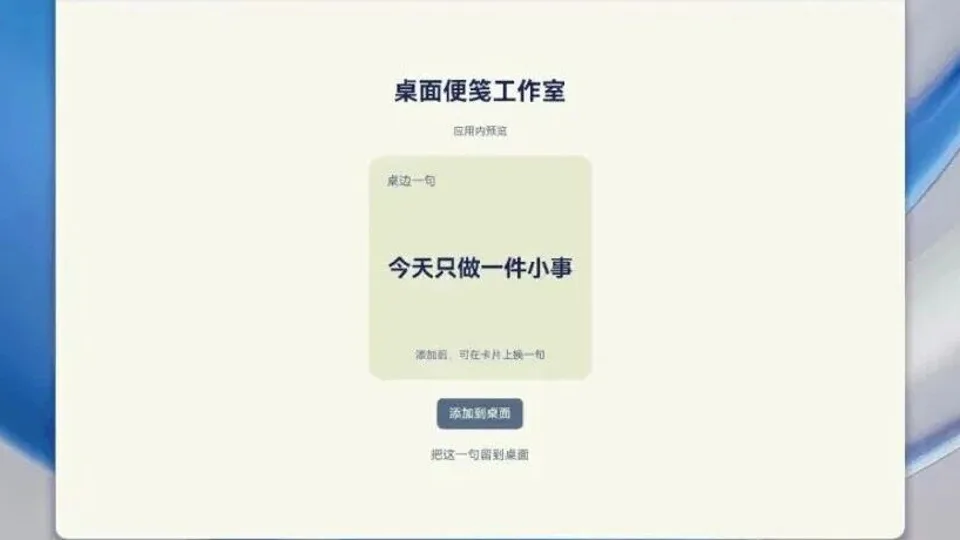
This tutorial walks through creating a HarmonyOS 6 service card called PocketNote, covering configuration, data binding, form provider lifecycle, card UI with button actions, and the app entry point for adding the card to the system desktop, with debugging tips and a live demo on API 24 simulator.
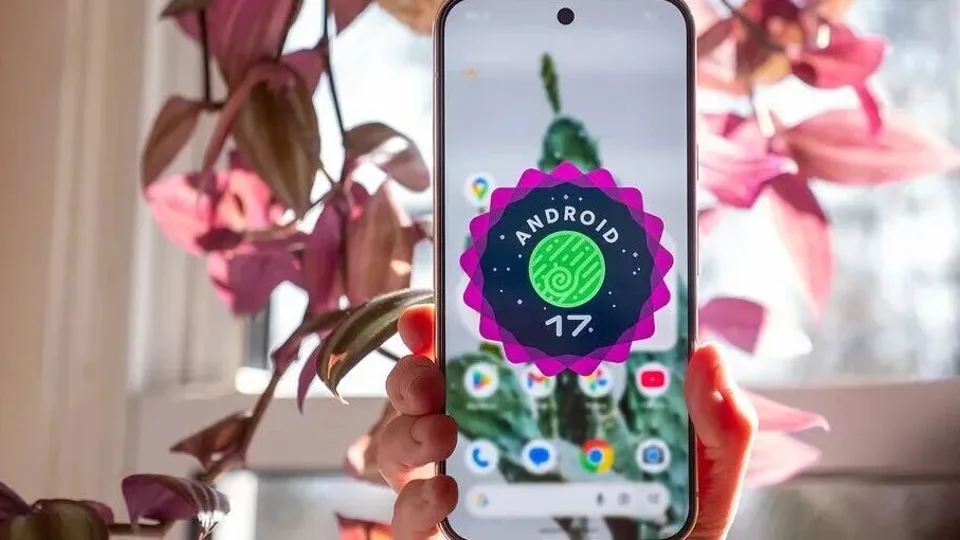
Google released Android 17 QPR2 early for Pixel devices, adding custom system colors with intensity options, adaptive wallpapers, granular status bar controls, unrestricted brightness adjustment, Auracast voice broadcasting with password protection, foldable multitasking improvements, simplified sideloading permissions, private compute core logging, and Linux terminal file sharing.
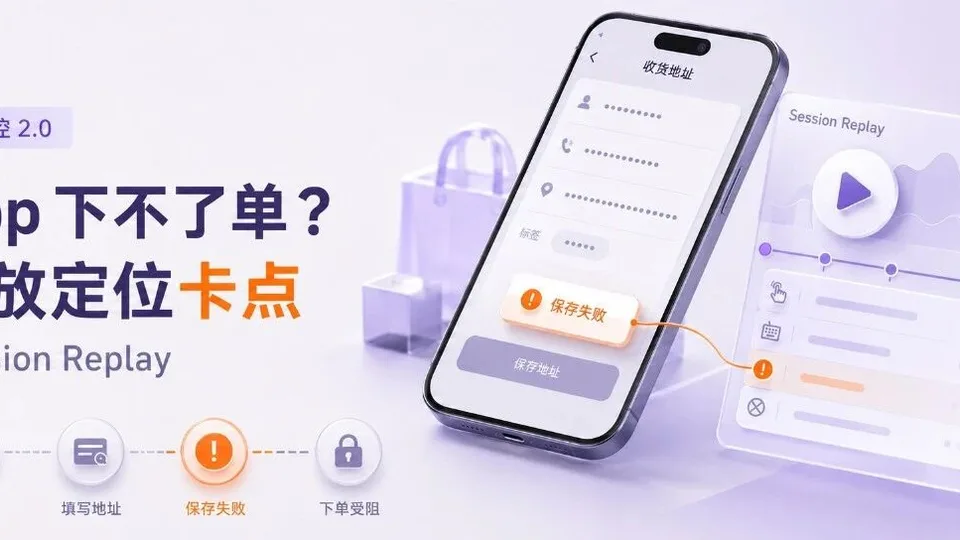
This article demonstrates how Alibaba Cloud RUM Session Replay helps debug a mobile e-commerce checkout failure where users cannot place orders despite entering addresses, by replaying user sessions to pinpoint a Keychain save error (-34018), correlating UI flow with logs and code, and covering privacy masking and sampling configuration for Android and iOS integration.
This article details an experimental methodology for validating split-screen content overflow in HarmonyOS 7.0 Parallel Vision, testing four configuration switches, three layout implementations, and systematic verification across window sizes, drag ratios, and font scaling to ensure content remains accessible.
This tutorial demonstrates how to implement real-time speech recognition in HarmonyOS using Core Speech Kit, covering engine creation, permission handling, result callbacks, and a complete voice note app example with code snippets.
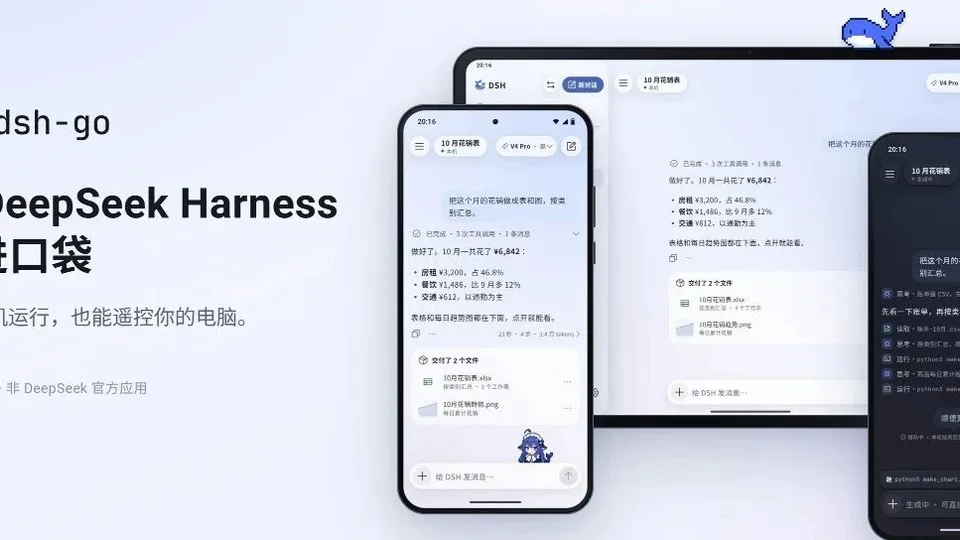
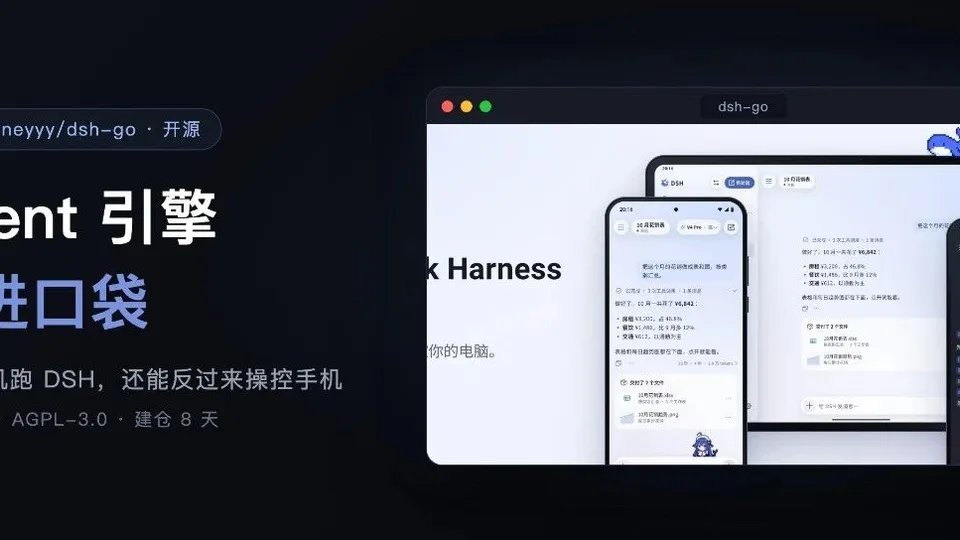
DSH-Go brings DeepSeek Harness to Android with local execution (Ubuntu, Node.js, DSH bundled) and remote SSH/DSHarness Remote modes, adding mobile-native tool approval, voice input, screen control, desktop pets, and a plugin SDK, enabling on-device file ops, browser automation, and app control that the official DeepSeek app cannot.
This article demonstrates how Alibaba Cloud RUM Session Replay helps debug an e-commerce app order failure by replaying user sessions to identify a Keychain save error (-34018) during address saving, correlating with logs and code, and covers privacy masking and sampling configuration for Android and iOS integration.
The dsh-go project ports DeepSeek's official Agent engine (DSH) to Android using proot to run Ubuntu 24.04 and Node.js 24 locally without root, adding phone control via accessibility services and remote desktop-style access to PC-hosted DSH instances, all in a 196 MB APK requiring ~1 GB storage.
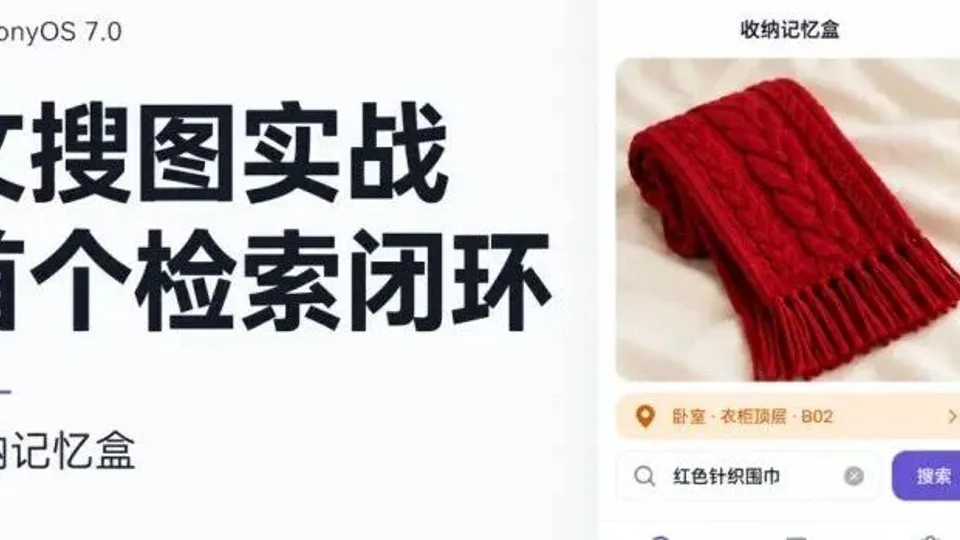
The article demonstrates building a "storage memory box" app using HarmonyOS 7.0's text-to-image search (Core Vision Kit) to retrieve photos of stored items and their logged locations, covering data modeling, implementation flow, candidate resolution, UI state management, and validation methodology.