A former B-end product manager shares a verified 5-step roadmap to transition into AI product management, covering API fundamentals, LangGraph and Dify/Coze workflows, RAG design principles, tool-calling strategies, and a hands-on MVP project for interview portfolios.
Building an AI recipe agent reveals how product management shifts from deterministic feature planning to experimental hypothesis-testing, where tools become variables, evaluation requires new metrics, and progress depends on insight rather than hours worked.
This guide defines the product manager role, outlines five core competencies, details three entry paths, maps career growth from junior to senior stages, lists daily habits and essential tools, and debunks four common misconceptions for aspiring internet product managers.
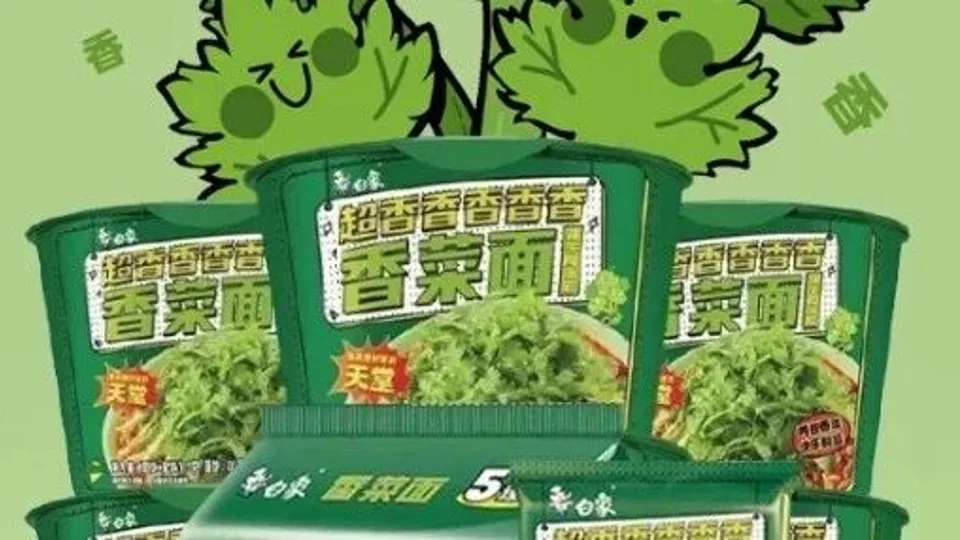
Baixiang collects over 100 flavor ideas yearly but only launches 2-3 nationally; analysis reveals their rigorous four-stage validation process filters ideas effectively, yet only product decisions change while service and resource allocation stay static, leaving user relationships uncaptured and forcing a restart each year.
This article categorizes four types of conflicts product managers face—resource, cognitive, boundary, and emotional—and provides a practical framework for resolution through shared interests, role-specific communication, emotional bank accounts, and six diagnostic questions to turn disputes into trade-offs without damaging long-term collaboration.
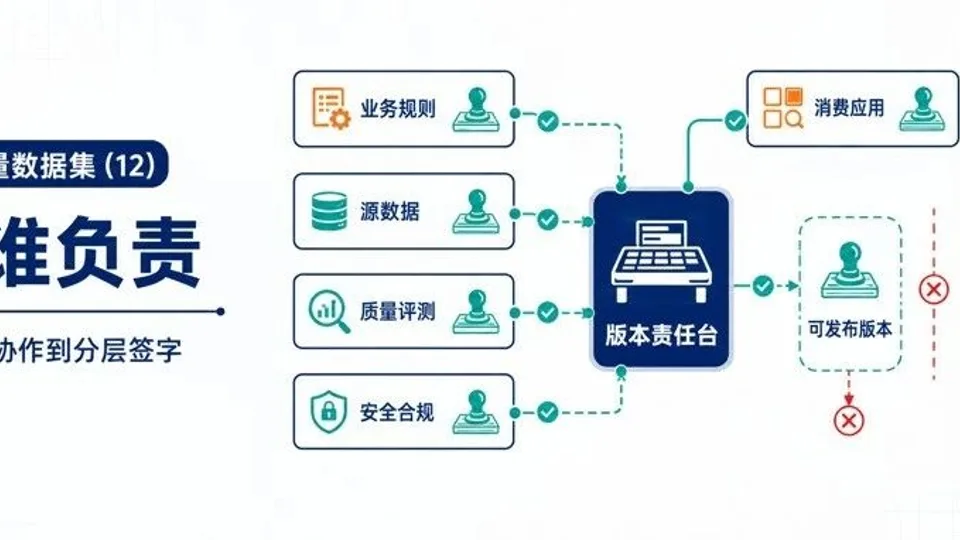
This article defines clear ownership and collaboration models for high-quality data products, using a contract risk scenario to illustrate RACI matrices, dispute resolution, outsourcing verification, and operational handoffs across data product managers, business experts, algorithms, engineering, and governance teams.
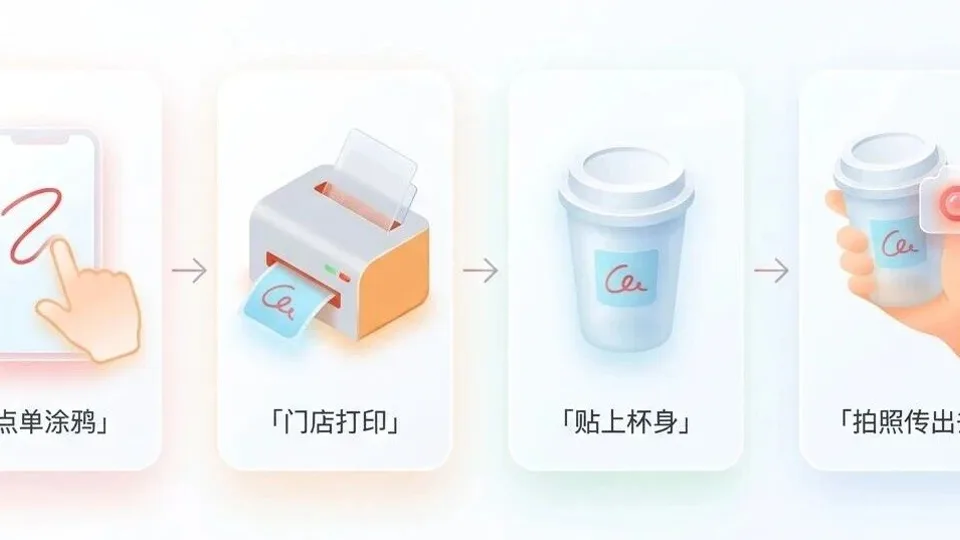
The article analyzes the cup sticker phenomenon as a case study in co-creation, arguing brands must design reliable end-to-end experiences — from creation tools to in-store fulfillment — that respect user intent, align with brand strengths, and build lasting relationships rather than chasing viral moments.
Stitch Fix increased its shipment from 5 to 8 items, but the article argues that more choices don't automatically deepen personalization. Using a four-part framework—user segmentation, differentiated benefits, deep insight, and community building—it analyzes how the company can better align service with evolving user needs and measure real impact.
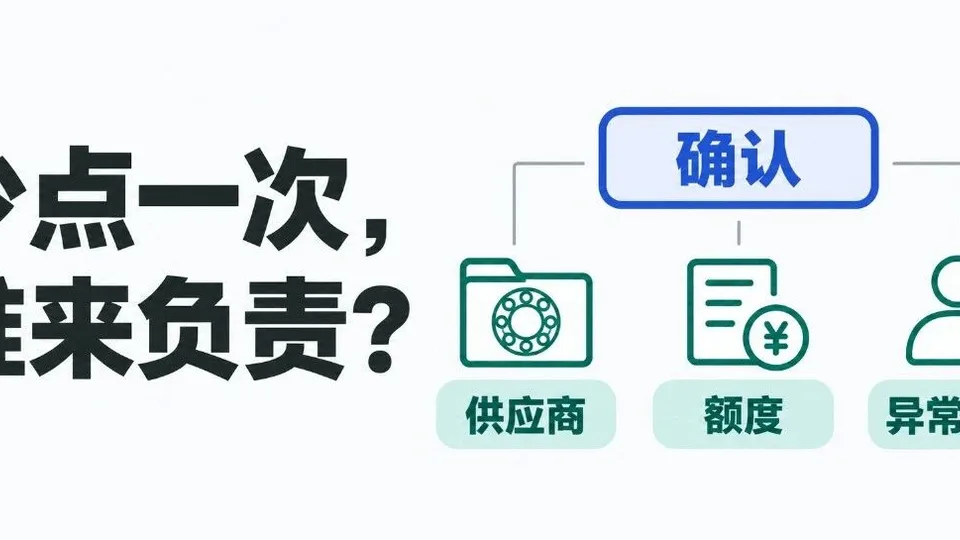
The article argues that building an ontology doesn't mandate full AI automation; instead, procurement automation should be scoped per task across four levels—query, suggest, per-order approval, and pre-authorized auto-execution—with rigorous checks on objects, data, permissions, quotas, idempotency, and exception handling, plus pause/resume procedures and holistic testing that counts rework and maintenance costs.
The 'Word Comes' mini-program uses spaced repetition algorithms to auto-schedule reviews at optimal intervals, eliminating decision fatigue and guilt by showing only due words, allowing users to finish sessions in minutes and close the app without guilt, which paradoxically improves long-term retention.
The article explains that electronic signatures only confirm the document's content at the moment of signing, but subsequent downloads, format conversions, and edits create multiple versions that visually appear identical. It analyzes legal requirements for content integrity, the difference between format changes and content modifications, and argues that e-signature products must help users trace the relationship between the signed original, circulated copies, and later versions to ensure the correct file is used.
This guide outlines five steps to becoming an AI product manager, covering role differences from traditional PMs, AI industry structure, large model boundaries, PM classifications, competency models, and end-to-end workflow.
This article argues that traditional product team roles are becoming obsolete as AI automates execution, proposing five archetype roles—Prototyper, Builder, Sweeper, Grower, and Maintainer—defined by work patterns and value output, and maps them to product lifecycle stages for dynamic team composition.
This article contrasts traditional product management's deterministic workflow with AI product management's probabilistic nature, outlining core AI PM capabilities — understanding technical boundaries, commercial scenario sensing, and data flywheel awareness — and provides three practical steps for transition: become an AI power user, build no-code agents, and establish custom evaluation benchmarks.
A former B-end product manager shares a validated five-step transition path to AI product management, covering API fundamentals, LangGraph and Dify frameworks, RAG design, tool orchestration, Agent architectures, and a hands-on MVP project that secured a ByteDance offer.
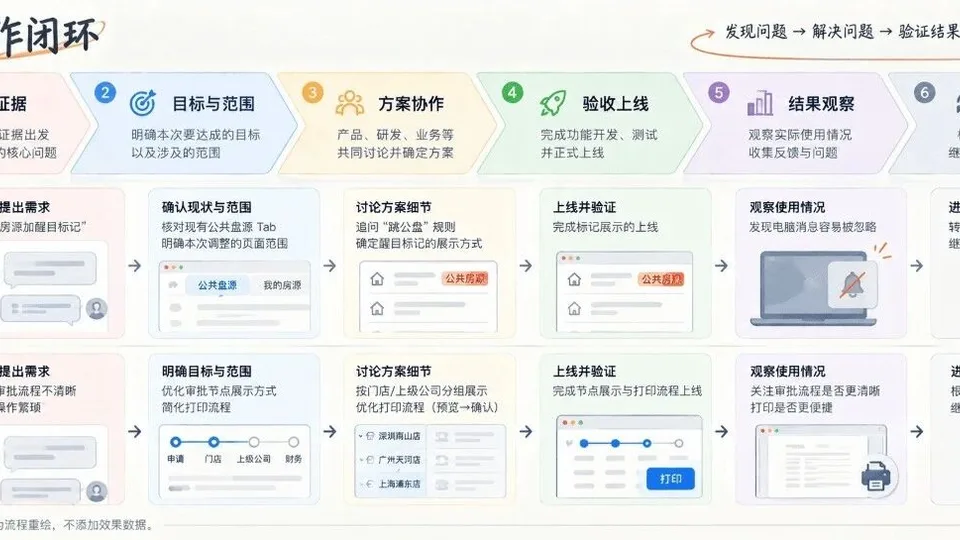
Through two case studies, this article outlines the five core responsibilities of product managers: identifying real user problems behind feature requests, scoping requirements with clear boundaries, designing detailed solutions for cross-team collaboration, validating implementations against full business flows, and measuring post-launch impact to drive the next iteration.
This guide outlines five steps to becoming an AI product manager, covering key differences from traditional PMs, AI industry structure types, large model capabilities, PM role classifications, a four-pillar competency model, and the end-to-end AI product workflow.
The article reveals that many AI product managers now function as PDSAs (Product Delivery/Solution Architects), focusing on custom integration, data cleaning, and ROI-driven delivery rather than building standardized AI features, and outlines three career upgrade paths.
This article illustrates the five core responsibilities of product managers — identifying real user problems, scoping requirements, designing actionable solutions, validating end-to-end business flows at launch, and measuring post-launch impact — through two case studies: a real-estate listing notification and a finance reimbursement optimization.
An AI product manager shares three years of experience across intelligent customer service, content recommendation, and SaaS tools, revealing four hidden capabilities—feasibility translation, data anomaly detection, cross-team consensus building, and risk anticipation—that matter more than prompt engineering for career advancement.