The article explains that a decade‑old retail core system supporting 600 stores cannot simply be replaced; instead it must be evaluated for business value, classified into maintenance categories, and evolved through static or dynamic changes, using reverse engineering, refactoring, and a phased migration strategy to ensure continuity and data integrity.
The article uses a classic story of a diligent developer who over‑designed a system to illustrate the dangers of excessive architecture, then outlines agile principles such as YAGNI, KISS, MVP, just‑in‑time design, evolutionary practices, technical‑debt management, and a decision checklist to help teams build just‑enough, maintainable solutions.
The article draws a detailed analogy between millions of years of human evolution—standing up, shedding hair, expanding the brain, and recruiting ancient bacteria—and modern IT architecture, showing how each design choice brings hidden costs, why perfect systems are impossible, and how embracing trade‑offs, extensions, and continuous iteration can lead to resilient, self‑healing databases.
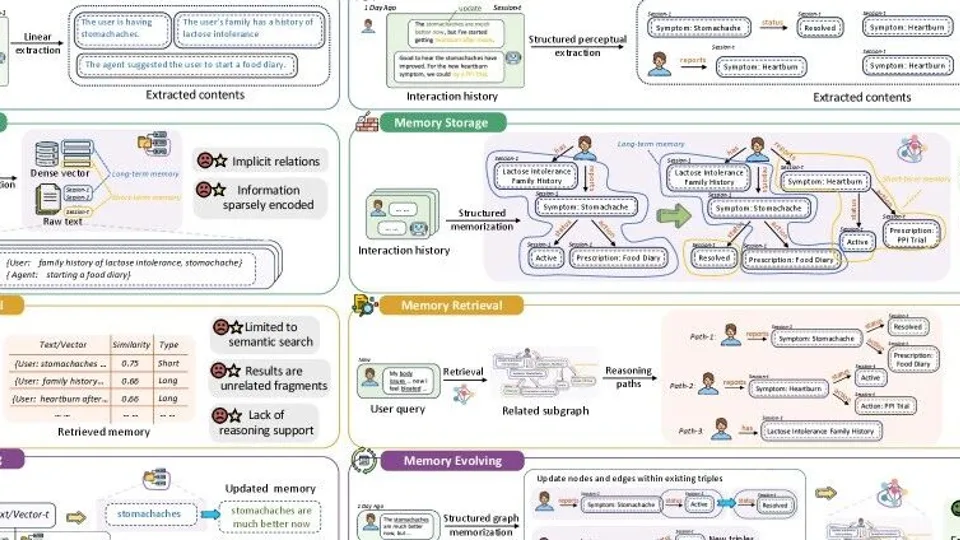
This article surveys recent advances in graph‑structured agent memory, presenting a taxonomy, lifecycle stages from extraction to evolution, open‑source tools, and benchmark suites that together illustrate how graph memory can overcome knowledge truncation, tool incompetence, and performance saturation in LLM‑driven AI agents.
This comprehensive article traces the 20‑year transformation of front‑end development from static HTML pages and jQuery to modern frameworks, engineering tools, performance optimization, AI‑driven workflows, and future trends, providing detailed code examples, best‑practice guidelines, and actionable advice for developers.
Scientists have identified several universal ecological principles—such as Bergmann’s rule, Allen’s rule, the square‑cube law, island effects, and Lilliputian/giant trends—that explain why animals range from massive elephants to tiny frogs, linking climate, body proportions, and evolutionary pressures.
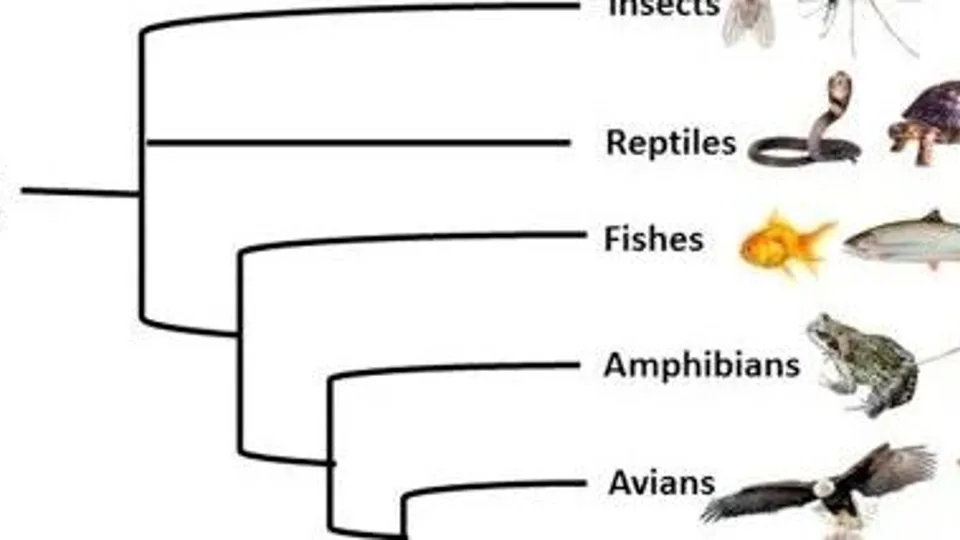
This article explains what phylogenetic trees are, introduces key terminology, shows how to interpret tree diagrams, and highlights why understanding these evolutionary charts is essential for studying biodiversity and modern evolutionary theory.
This article outlines three core architecture design principles—appropriateness, simplicity, and evolution—illustrated with Taobao’s journey from a simple PHP site to a sophisticated, self‑developed distributed system, showing how fitting solutions, keeping designs simple, and iteratively evolving with business needs lead to sustainable scalability.
This article traces the step‑by‑step evolution of a web system—from a single‑server LAMP setup through service and data separation, caching, server clusters, read/write splitting, CDN acceleration, distributed databases, NoSQL integration, business splitting, and finally distributed services—highlighting the motivations, characteristics, and practical outcomes of each stage.
This article explains the purpose of software architecture design, identifies sources of complexity such as performance, availability and scalability, outlines three guiding principles—appropriateness, simplicity, and evolution—and presents a practical step‑by‑step design process illustrated with diagrams.
The article explores whether effective software architecture stems from upfront design or gradual evolution, presenting viewpoints from senior architects, discussing stakeholder concerns, non‑functional requirements, real‑world evolution cases like 58.com and Google, and urging readers to share their own conclusions.