

Data-Driven AI R&D: Metrics, Automation, and Architecture for Quality & Efficiency
This article outlines a data-driven approach to AI R&D, covering quality assurance frameworks with specific metrics for data and model dimensions, automated testing strategies, efficiency optimization through bottleneck analysis and CI/CD pipelines, a practical architecture using ClickHouse, Spark, MLflow, and Prometheus, and best practices for data quality, efficiency gains, and team collaboration.
Reading font
1. Why Data-Driven Is the North Star of AI R&D
"You can't manage what you don't measure." In the uncertain domain of AI development, data acts as a GPS guiding direction.
Traditional R&D vs. Data-Driven R&D
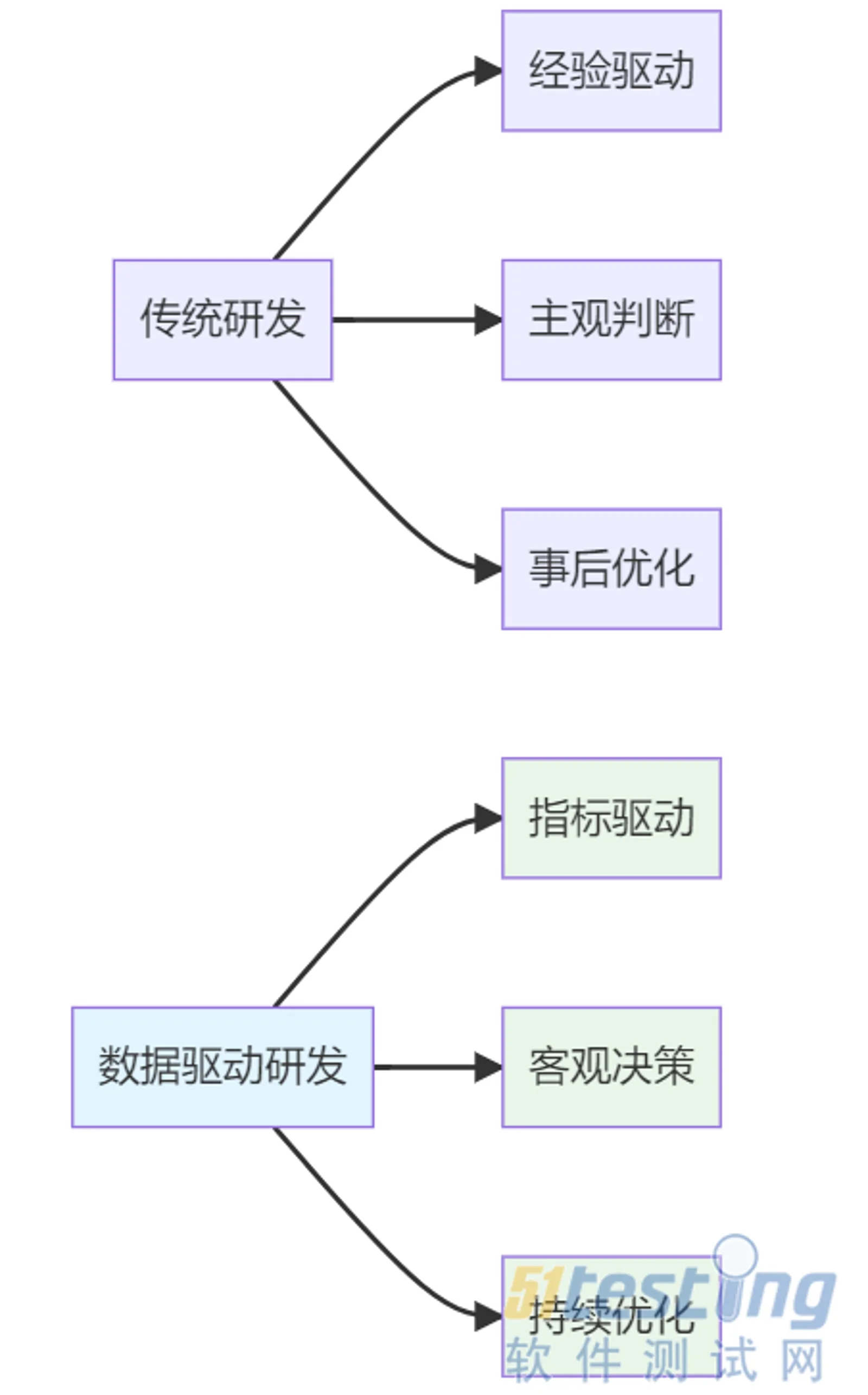
Three Advantages of Data-Driven Approach
Quantifiable: Turns "feels good" into "accuracy improved by 3.2%"
Predictable: Uses historical data to forecast risks and opportunities
Reproducible: Successful experiences can be standardized and scaled
2. Building a Data-Driven Quality Assurance System
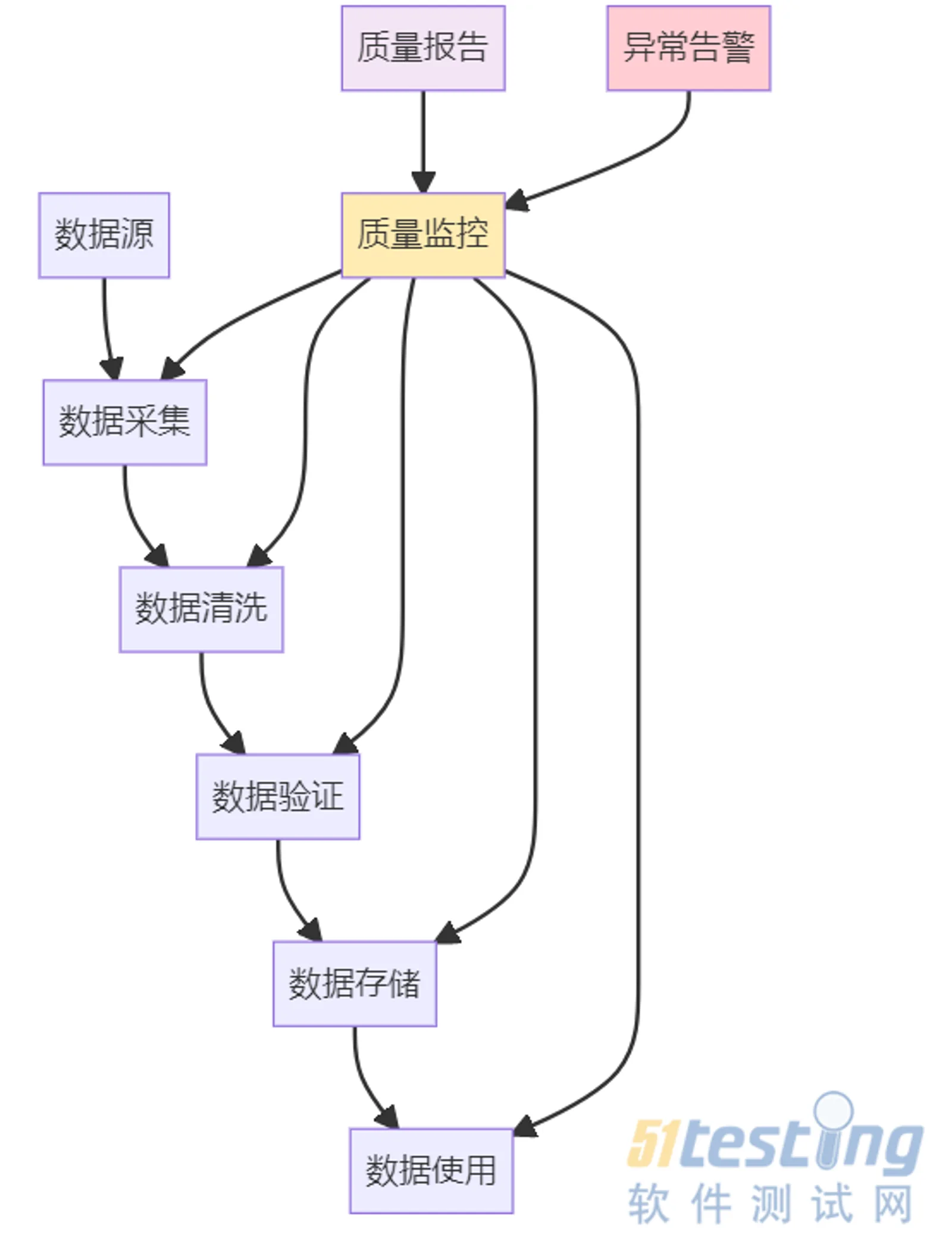
Quality is not tested in; it is designed in. In AI R&D, quality control must start at the data source.
2.1 Data Quality Management Framework
2.2 Core Quality Metrics System
Data Dimension Metrics:
Completeness: Data missing rate < 5%
Accuracy: Data error rate < 1%
Consistency: Cross-system data consistency > 95%
Timeliness: Data latency < 1 hour
Model Dimension Metrics:
Accuracy, Recall, F1-Score
Model stability metrics
Inference latency and throughput
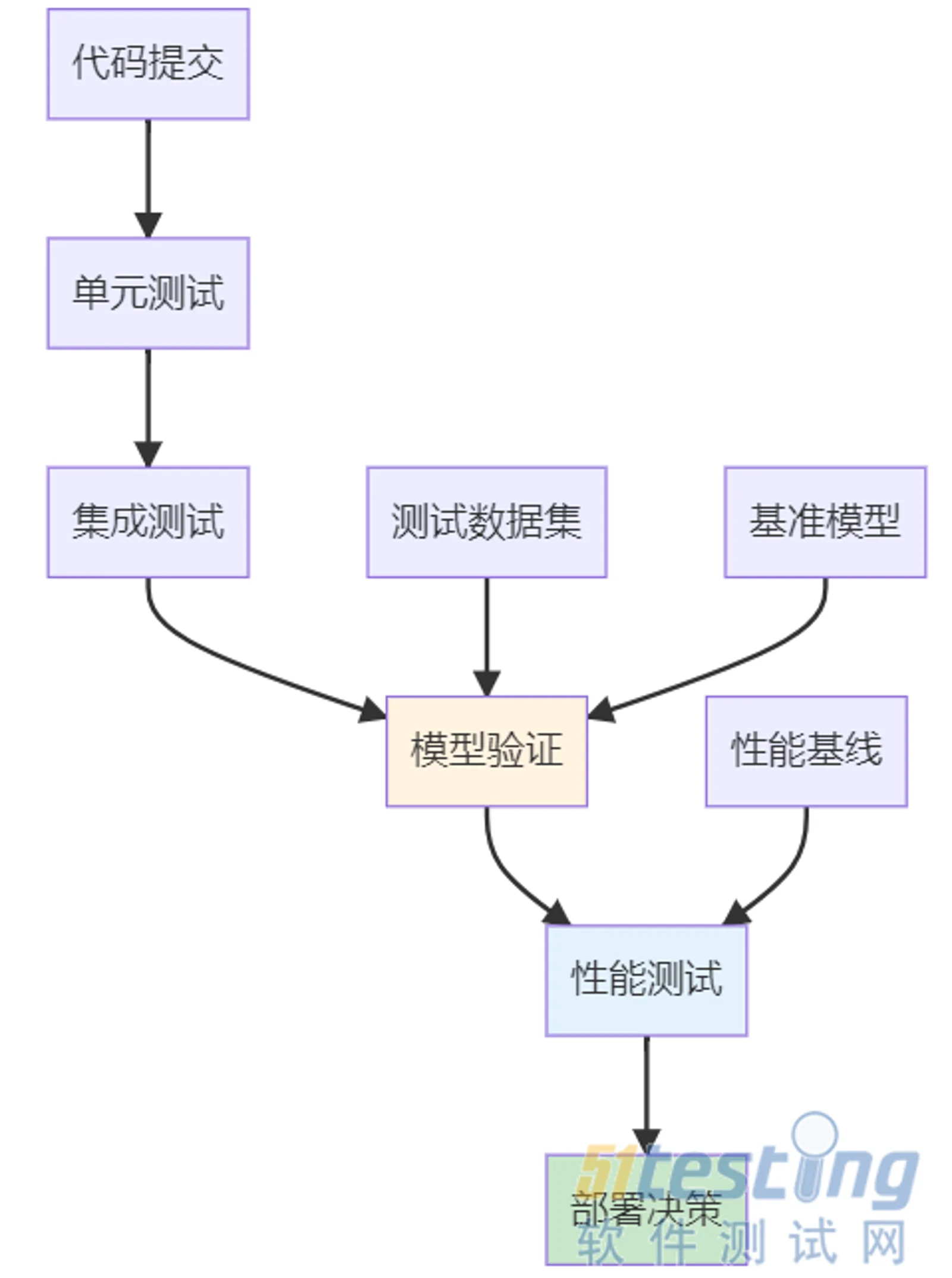
2.3 Automated Testing Strategy
3. Data-Driven Path to Efficiency Improvement
Efficiency comes not from overtime but from data analysis that pinpoints bottlenecks for targeted optimization.
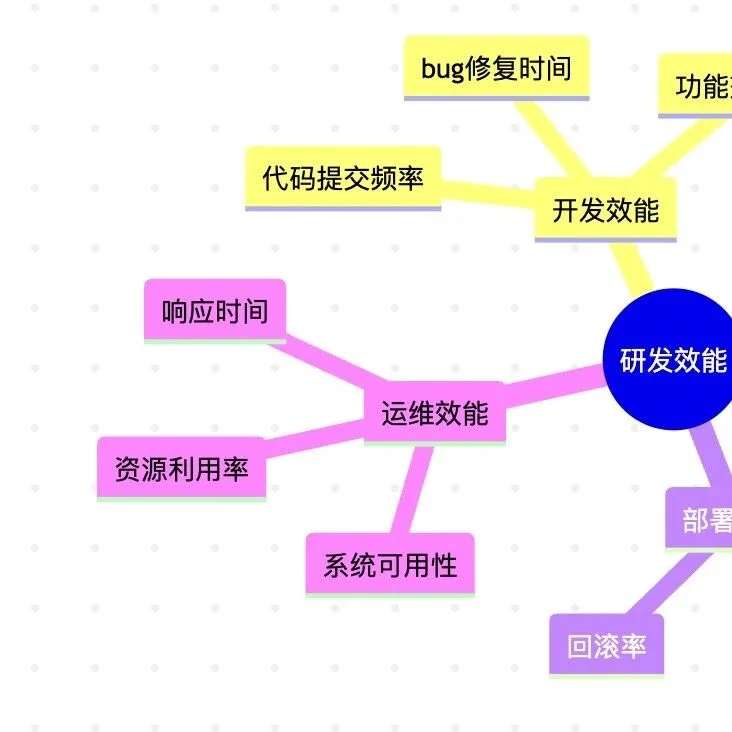
3.1 R&D Efficiency Metrics System
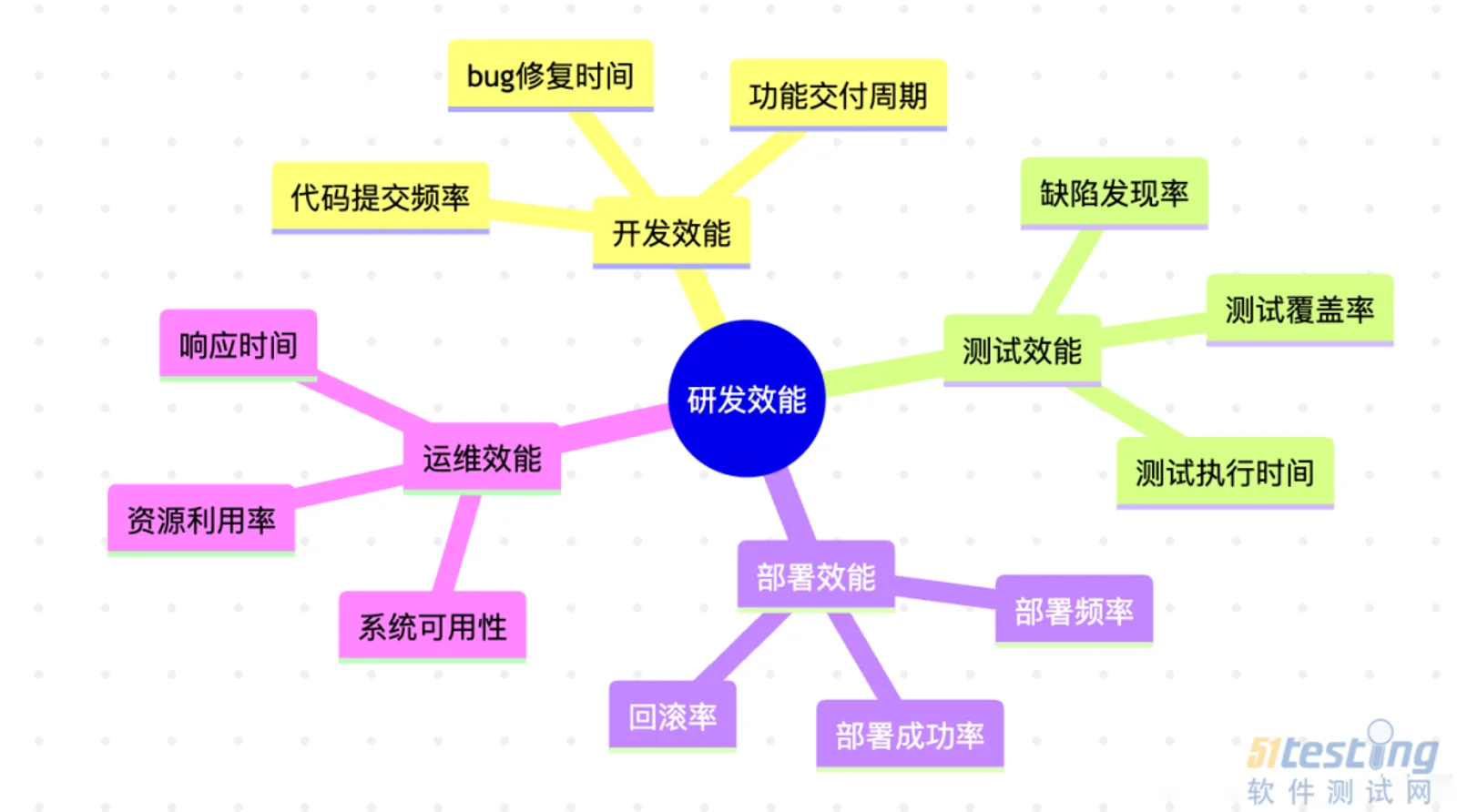
3.2 Bottleneck Identification and Optimization
Data-driven bottleneck analysis process:
Collect metric data
Identify abnormal patterns
Root cause analysis
Formulate optimization plan
Verify effectiveness
3.3 Automated Pipeline
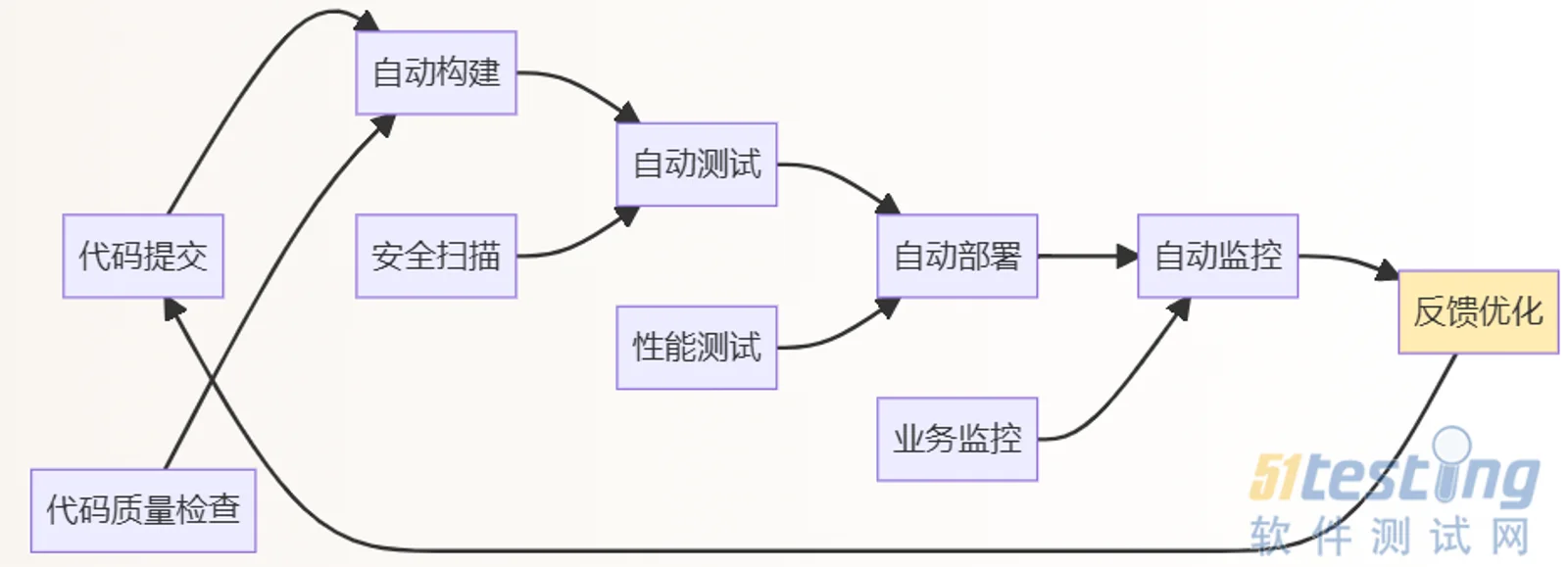
4. Practical Architecture: From Theory to Implementation
Theory is rich; reality is harsh. Let's see how to build a truly deployable data-driven AI R&D platform.
4.1 Overall Architecture Design
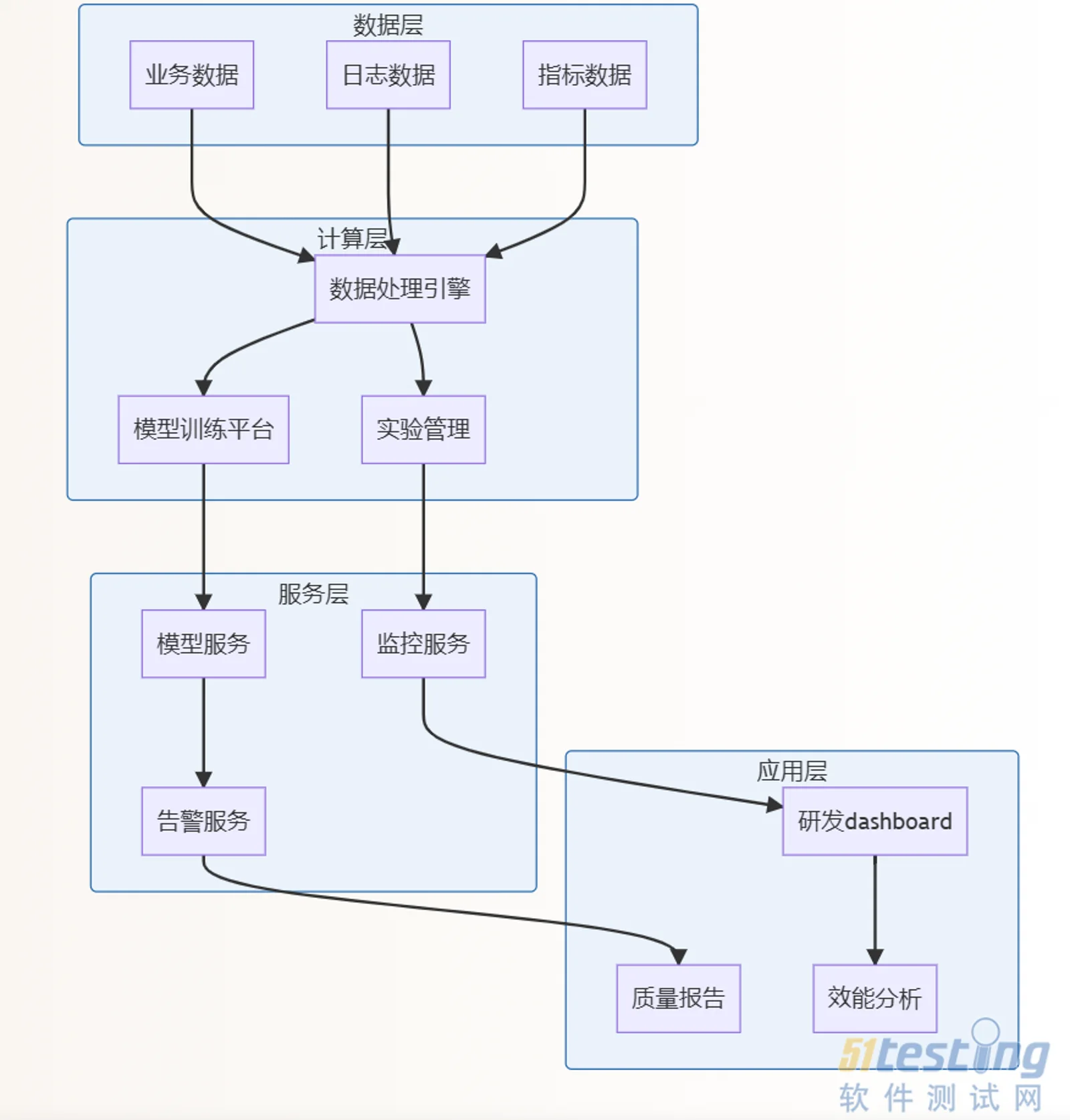
4.2 Technology Stack Selection
Recommended core components:
Data storage: ClickHouse (metric data) + MongoDB (business data)
Compute engine: Spark + Flink
Model management: MLflow + Kubeflow
Monitoring: Prometheus + Grafana
Frontend display: React + ECharts
5. Best Practices and Pitfall Guide
In practice, we've accumulated some "hard-earned lessons" to help you avoid detours.
5.1 Data Quality Best Practices
Recommended Practices:
Establish data dictionary and metadata management
Implement data lineage tracking
Set multi-layered data validation rules
Conduct regular data quality assessments
Common Pitfalls:
Focusing only on quantity, not quality
Lacking data lifecycle management
Neglecting data security and privacy protection
5.2 Efficiency Optimization Experience
Quick Wins:
Automated test coverage → Reduces manual testing time by 50%
CI/CD pipeline optimization → Cuts deployment time from 2 hours to 20 minutes
Code quality gates → Lowers bug rate by 30%
5.3 Team Collaboration Mechanism
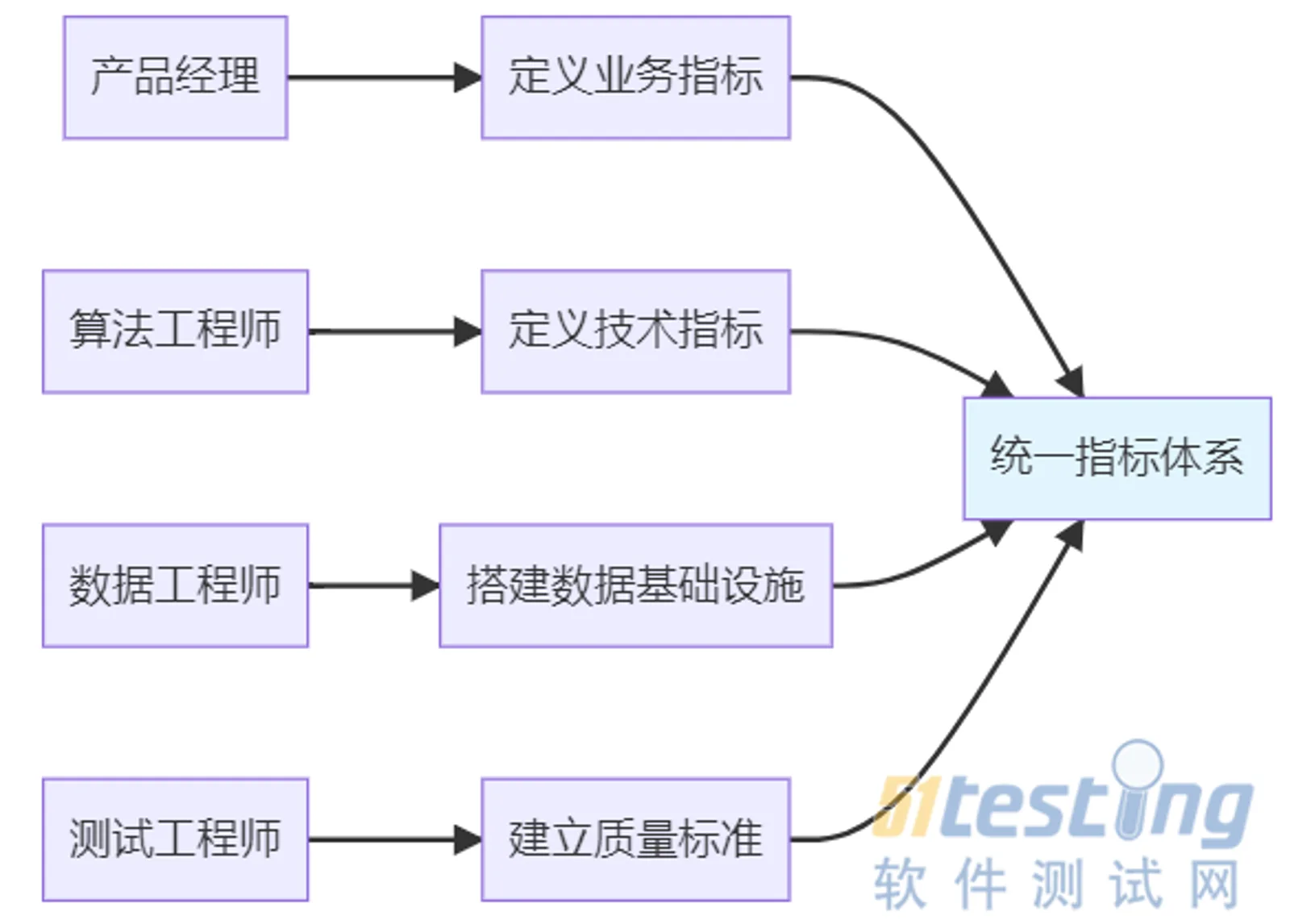
6. Summary: A New Paradigm for Data-Driven AI R&D
Data-driven is not a silver bullet, but without it you cannot succeed. In the complex system of AI R&D, data serves as a "sixth sense" helping us find certainty amid uncertainty.
Key Success Factors
Culture shift: From "gut feeling" to "data-driven"
Tooling: From "manual workshop" to "automated factory"
Talent development: From "solo work" to "data literacy"
Continuous improvement: From "one-off project" to "long-term investment"
Future Outlook
As AI technology evolves rapidly, data-driven R&D will further advance:
Intelligent decision-making: AI assisting AI R&D
Real-time optimization: From batch processing to stream processing
End-to-end observability: From local optimization to systemic optimization
Remember: The best strategy isn't perfect from the start, but one that can continuously evolve.
For questions about attribution, corrections or content rights, please contactand we will review it promptly.