

Microsoft Copilot Head: AI Makes Agents, Not Humans, Software's Primary Customers
Microsoft Copilot VP Charles Lamanna predicts AI agents will become software's primary customers, citing GitHub data showing agent-initiated pull requests surged from 17% to 40% (110M), requiring API and product redesign for agent preferences while engineers shift focus to system design and verification.
Reading font

Microsoft Copilot, Agents, and Platforms EVP Charles Lamanna argues that as AI agents proliferate, the primary customers of many software and technology products will shift from humans to AI agents. This prediction is grounded in observable changes in the developer ecosystem.
Evidence from GitHub
Lamanna notes GitHub's load has grown 14x, not because the global developer count increased 14x. The GitHub Octoverse 2026 report shows that in September, agent-initiated pull requests exceeded 40%, reaching 110 million, up from 17% in March.
"I think, over time, the primary client for many pieces of software and technology will inevitably become agents," Lamanna said in an interview with Peter Yang, a former Microsoft, Facebook, Twitch, Reddit, and Roblox executive.
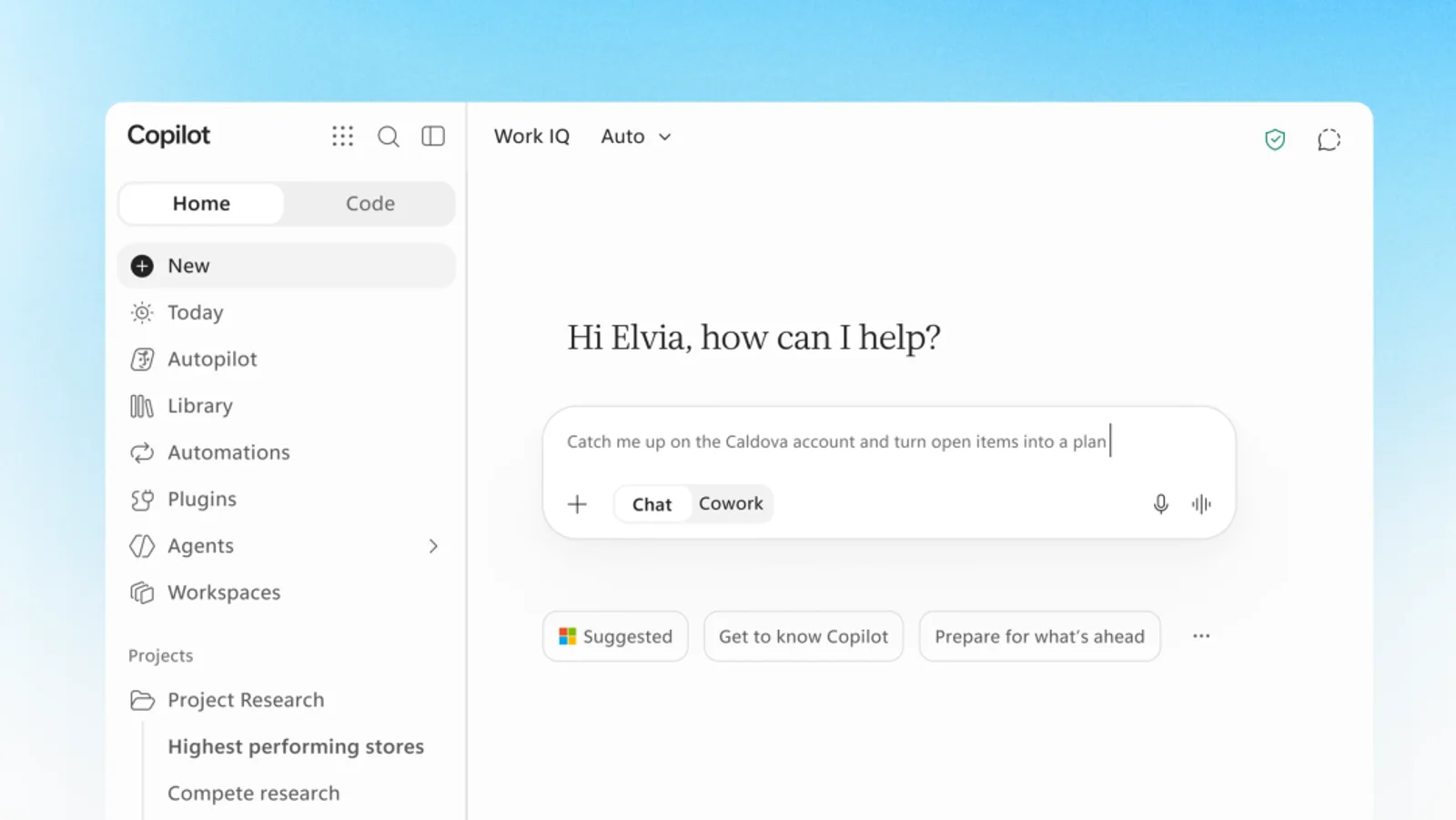
He already uses a Copilot Cowork agent to review Microsoft's GPU capacity and conduct budget planning.
Agents as Demanding Customers
Lamanna describes agents as "very demanding customers." They prioritize peak performance and stronger programmability, and their preferences don't always align with human users. For example, humans typically want only 10 search results because no one reads thousands; an agent can process thousands of results without fatigue. Consequently, Microsoft expects APIs, user experiences, and product forms to evolve with new modes suited for agents.
External observers note this shift could reshape commercial software interaction logic: agents may bypass "contact sales" pricing pages, and while unhappy human customers might complain but stay, an unsatisfied agent could simply stop sending orders to the business.
Broader Vision and Current Limitations
Lamanna previously made similar predictions at the Madrona IA40 Summit, echoing CEO Satya Nadella's vision of 20 million AI agents collaborating with Microsoft employees. However, Lamanna admits current AI products are over-fitted to software engineers' workflows, not broader knowledge work. Programming is relatively solitary — developers branch, work alone for days, then submit a pull request. Sales and finance are collaborative; a salesperson who doesn't talk to anyone for days is likely not effective.
Copilot Workspaces and the Role of Traditional Apps
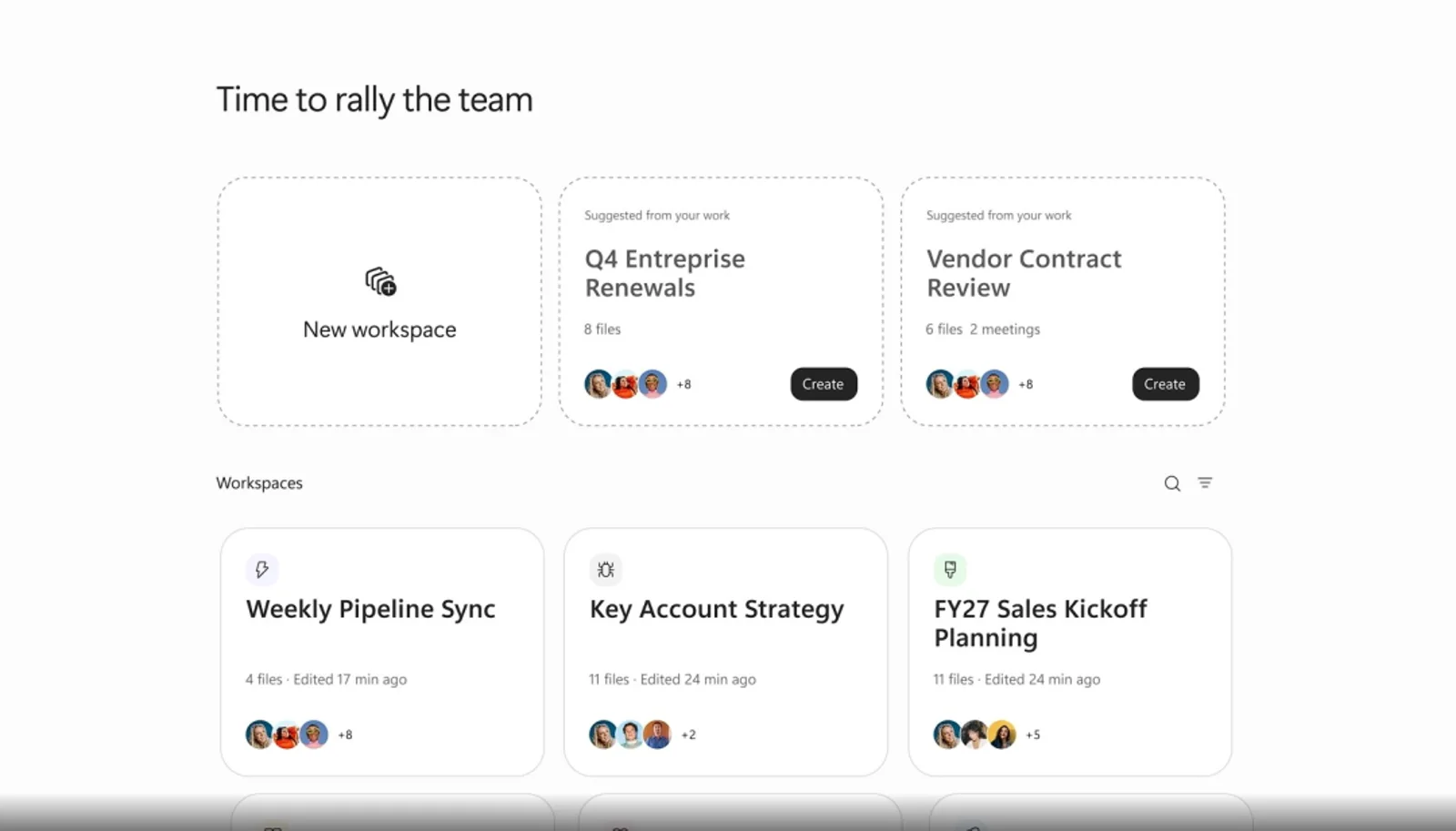
To address this, Microsoft launched Copilot Workspaces at Ignite. When a user prepares a customer proposal or responds to a supply-chain disruption, the feature suggests relevant people and agents to drive collaboration. Lamanna insists Copilot will not replace Office; even with Word, Excel, and PowerPoint integrated into the new Copilot app, he believes traditional apps retain value for precise, direct manipulation tasks like moving a text box eight pixels.
Engineering Work Transformation: Historical Analogy
Addressing engineers' nostalgia for hand-coding, Lamanna compares AI's impact to the progression from assembly language to compilers, garbage collection, and serverless computing. A 1990s engineer shown today's Azure/AWS capabilities would say 90% of their job is automated, yet software engineers are more numerous and more important than ever.
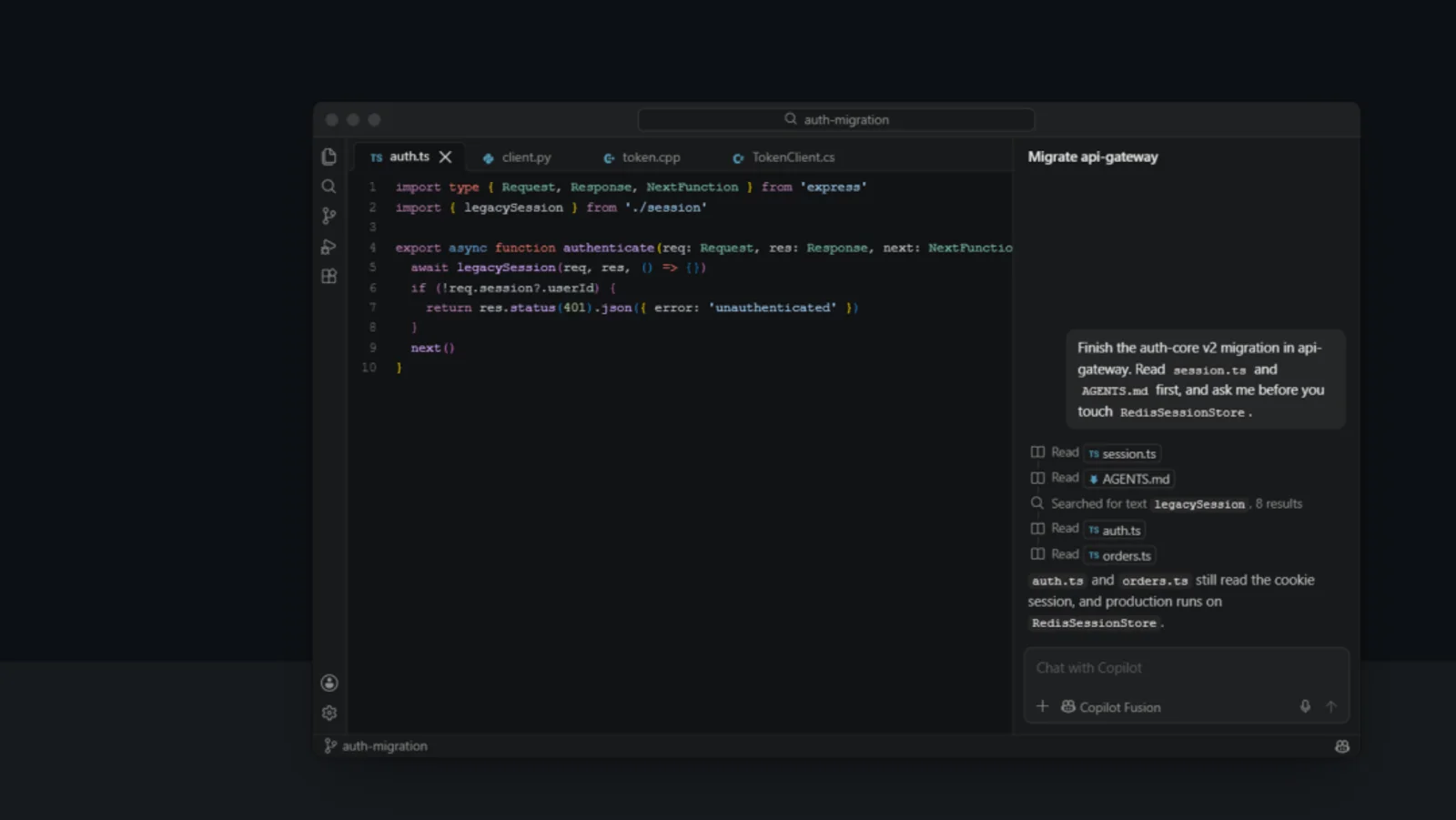
The most AI-embracing teams may no longer write code line by line, but they focus intensely on system design, verification, testing, and secure deployment. Lamanna says he has never needed to think this deeply — it's a different skill set.
Controversy and Hallucination Risk
Critics counter that compilers don't hallucinate a data-library migration that crashes production, while Microsoft has acknowledged agents can hallucinate. Therefore, tedious but critical verification remains the engineer's responsibility.
AI Etiquette and Information Overload
Lamanna notes coding now consumes less time; saved time flows into coordination. He writes a 20-page memo every six months and uses A/B experiments to settle debates. He proposes workplace AI etiquette: if you wouldn't spend the effort to write 10 pages, don't generate 10 pages and send them to 10 people. "The right direction is absolutely not to generate more stuff for people to read."
This resonates on social media, where users point out Outlook still offers a "Draft with Copilot" button, contrasting with Lamanna's stance. The article concludes that even if AI produces a 10-page report in seconds, someone must still read it — and Lamanna doesn't want that person to be the reader.
For questions about attribution, corrections or content rights, please contactand we will review it promptly.