

PostgreSQL Beats MySQL for AI: Extensions, Vector Search, Unified Data
PostgreSQL surpasses MySQL in popularity due to its extensibility, enabling vector search via pgvector, full-text search, and geospatial queries within a single database, simplifying AI application architectures by unifying business data, embeddings, and search while reducing synchronization overhead, though careful testing with real data is essential.
Reading font
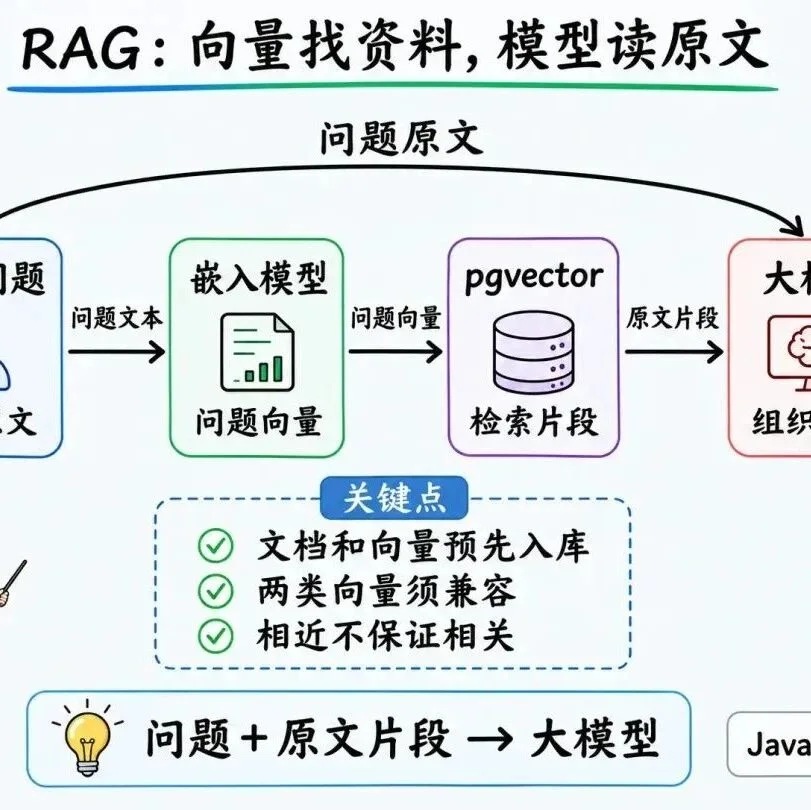
According to the Stack Overflow 2026 developer survey, PostgreSQL usage reached 57.9% versus MySQL's 35.1% among 12,061 respondents, continuing a trend since 2023. The author observes growing adoption of PostgreSQL, especially for AI applications where storing documents and performing search alongside business data reduces the need for separate search services or vector databases and eliminates data synchronization.
Extensions Enable SQL-Based Vector and Geospatial Search
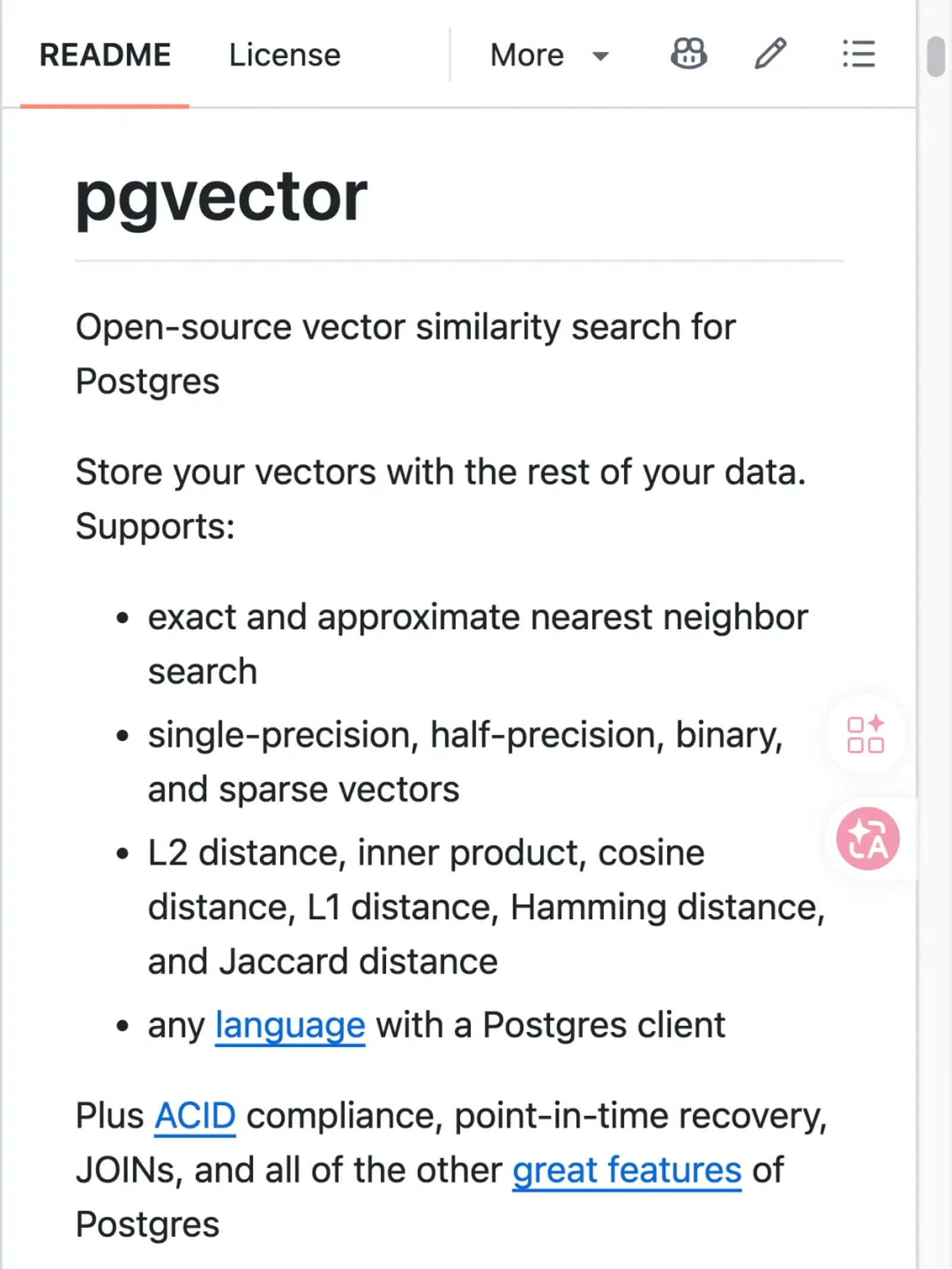
Vectors are numeric arrays that ordinary databases can store as strings, but efficient nearest-neighbor search requires indexing. The pgvector extension adds a vector data type, distance operators, and index support (HNSW, IVFFlat). After installing pgvector, a vector column can be added to an existing document table, allowing SQL to compute distances and create vector indexes while keeping fields like document ID, author, and department in the same table.
PostgreSQL's extension interface lets developers add data types, functions, operators, and index capabilities. pgvector uses these interfaces to implement vector retrieval. Similarly, PostGIS provides geospatial types and operations. However, the available extensions depend on the managed database platform; selection must verify the specific extensions and versions supported.
Full-Text Search and BM25 Relevance
PostgreSQL includes built-in full-text search that parses text into lexemes, supports indexing, and enables matching and ranking. Text processing is critical: a technical term tokenized as a single word versus split into multiple words affects recall. Chinese search especially requires a suitable tokenizer; English examples cannot be directly reused. Testing with real queries and examining tokenization results is recommended before tuning ranking.
For BM25 relevance scoring, the ParadeDB pg_search extension integrates search capabilities into PostgreSQL, allowing search results to be joined with business tables for further filtering and sorting. BM25 considers term frequency, document frequency, and document length; repeated terms do not guarantee top ranking. Simple search needs can start with built-in full-text search; BM25 requirements justify adding pg_search. However, replacing Elasticsearch entirely requires evaluating existing query syntax, tokenizer configurations, aggregation needs, and workload isolation.
Vector Search for Semantic Retrieval
Keyword search misses semantically similar content phrased differently. For example, a user asking "How to return after purchase?" may not match a document titled "Product Return Process". Vector search finds semantically close content. An embedding model converts text to vectors; model choice and document chunking affect retrieval quality. pgvector stores vectors and finds nearest neighbors by distance; embedding generation and answer generation are handled by external models.
A typical RAG (Retrieval-Augmented Generation) workflow involves:
Split documents into chunks, generate embeddings for each chunk, and store them with original text and source metadata.
Convert the user's question to a vector using a compatible embedding model.
Retrieve relevant chunks and pass them with the question to a large language model.
The LLM composes an answer citing the provided sources.
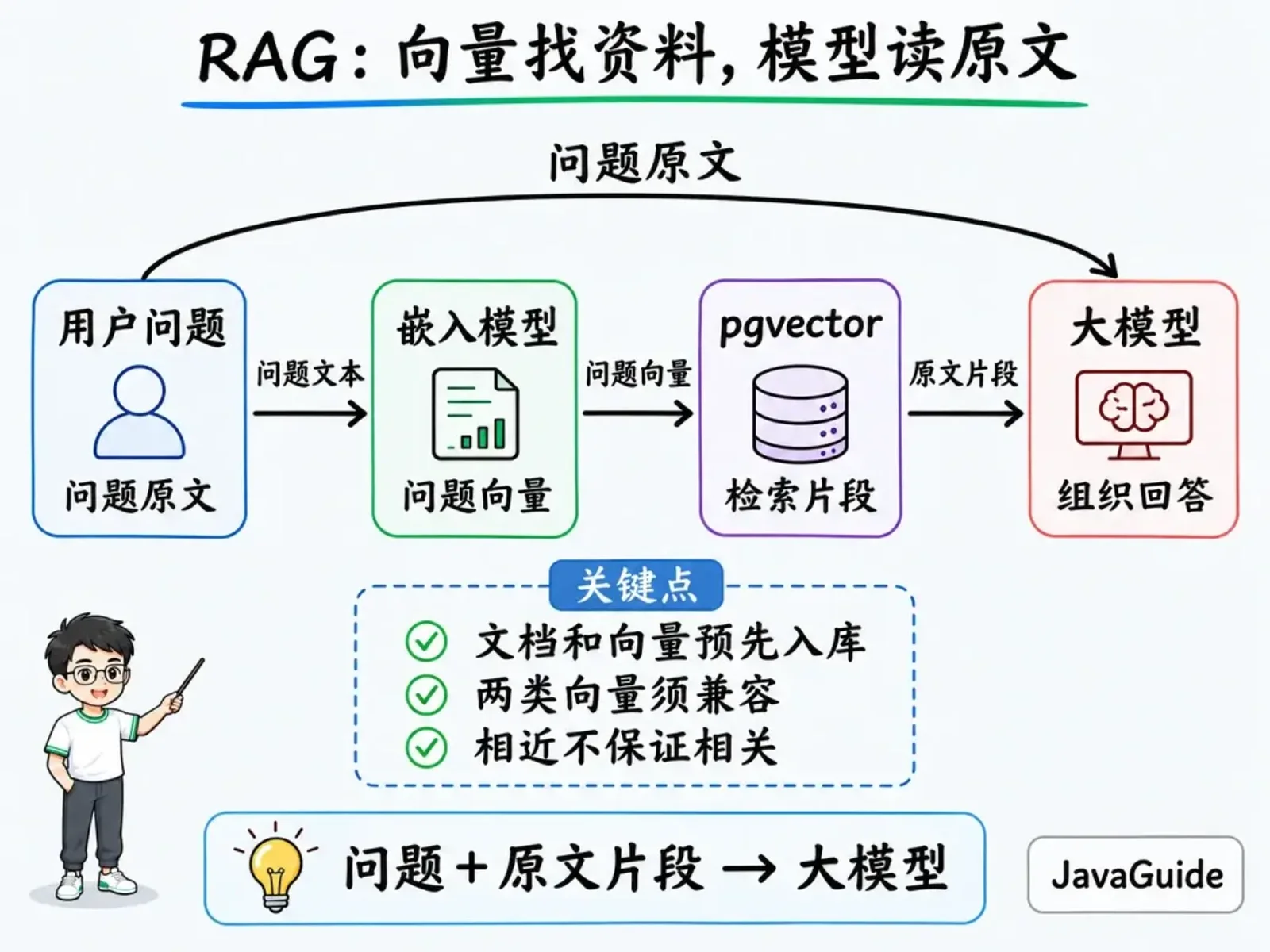
Vectors must be in comparable space; same dimension does not guarantee compatibility across models. Changing embedding models requires regenerating existing vectors and distinguishing old versus new data. Vector proximity does not guarantee the retrieved text answers the question; version, status, and other explicit conditions must still be filtered. Therefore, keyword and vector search are often combined: exact identifiers (product model, function name, error code) use literal matching, while paraphrased queries use vector search. Results from both paths are deduplicated and fused, commonly via Reciprocal Rank Fusion (RRF) which ranks by position in each result set, avoiding addition of incompatible scores. Supabase's hybrid search documentation shows combining both queries in PostgreSQL. Hybrid search adds overhead; it should be adopted only if it recovers missed documents without introducing excessive noise. Simple lookups like order-number search do not need the full pipeline.
Unified Business and Search Data Reduces Synchronization
Keeping search capabilities alongside business data is a key practical advantage. A knowledge base document has attributes: team ownership, publication status, product version, access permissions. Retrieval must satisfy both semantic similarity and these conditions. For example, a document_chunks table can store chunks with tenant_id, status, and embedding columns. A query for the current team's published documents ordered by cosine distance:
SELECT id, document_id, content FROM document_chunks WHERE tenant_id = $1 AND status = 'published' ORDER BY embedding <=> $2::vector LIMIT 5;Parameters $1 (team ID) and $2 (question vector) are bound by the driver. The <=> operator computes cosine distance; smaller values rank higher. Team ID must be determined server-side from authentication to prevent unauthorized access. Document-level permissions add further checks. The planner decides scan order and filter placement; execution plans should be examined. Variable attributes can be stored in JSONB; frequently queried fields like team ID and status deserve dedicated columns.
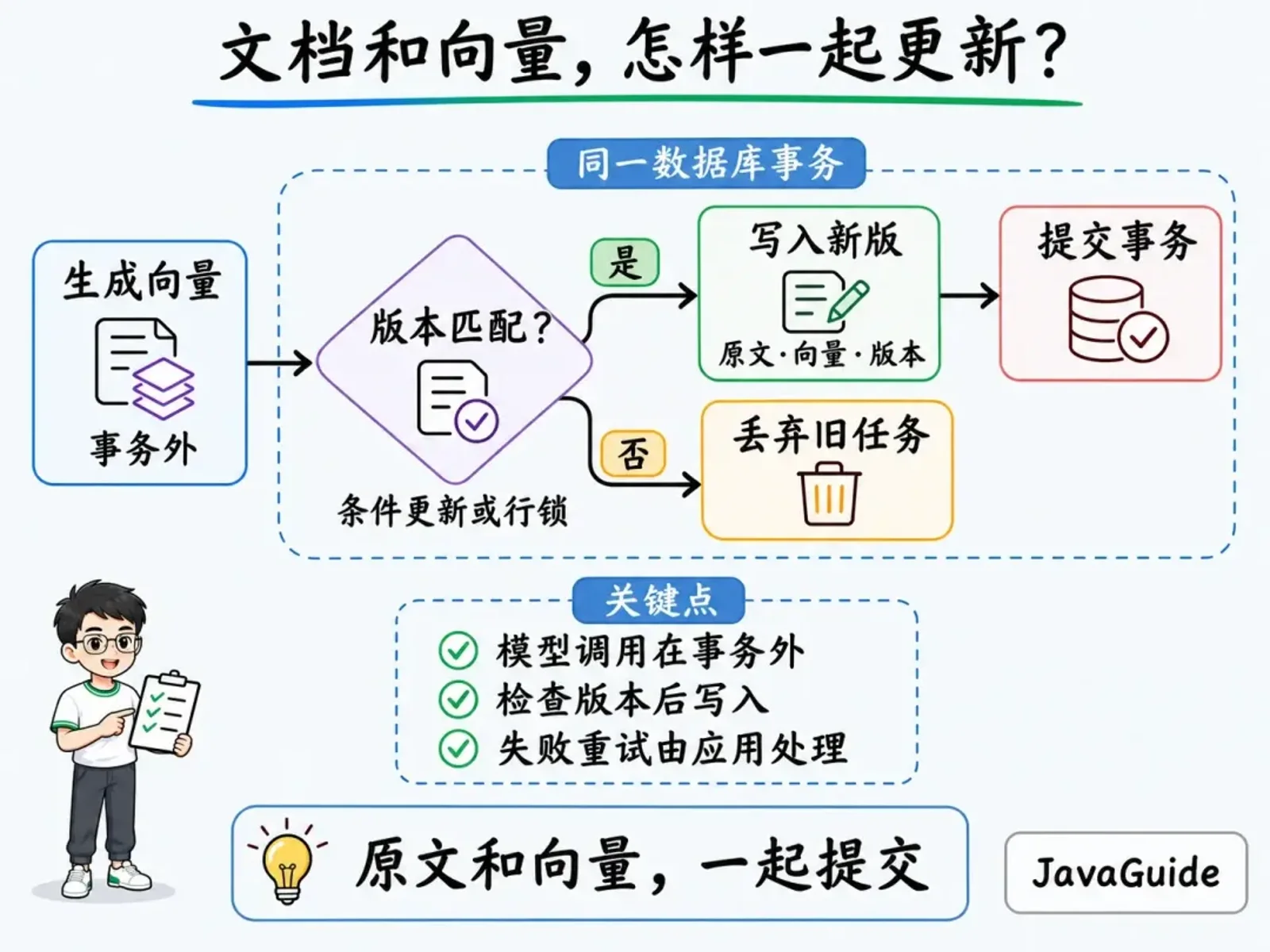
Document updates benefit from transactional consistency. If text and vectors reside in separate systems, a text update may succeed while vector sync fails, leaving stale embeddings. Retry logic, cleanup, and reconciliation become application concerns. In PostgreSQL, new vectors for version 8 can be generated, then the new text, vectors, and version metadata committed in a single transaction, avoiding intermediate states where text is updated but vectors are only partially updated. If version 9 arrives before version 8's vectors finish, the generation task must be version-aware: use conditional updates or row locks within the same transaction to prevent overwriting newer data. Alternatively, stage pending versions and switch the searchable version atomically after all chunks and vectors are ready. Database transactions only cover database writes; external model timeouts, failures, and retries remain application responsibilities. Typically, model calls complete first, then a short transaction writes results, avoiding long-held transactions.
Supabase and Neon Simplify Application Development
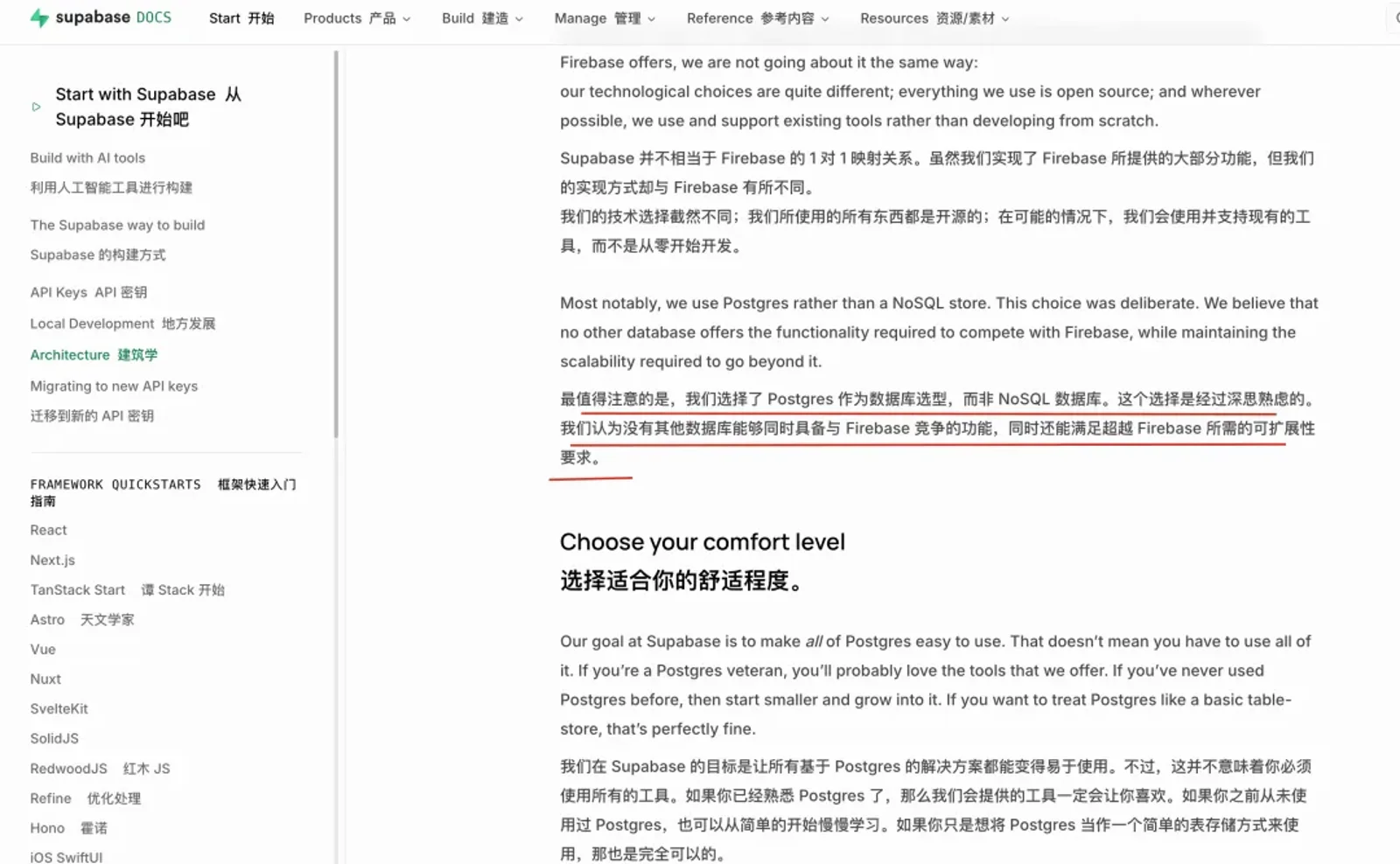
Supabase bundles PostgreSQL with authentication, file storage, realtime subscriptions, and data APIs. For example, a user uploads a PDF to object storage; metadata goes to PostgreSQL. After processing, chunks, vectors, and processing status are saved. Access control is still required, but file storage infrastructure is managed. Supabase's rationale for choosing Postgres is documented.
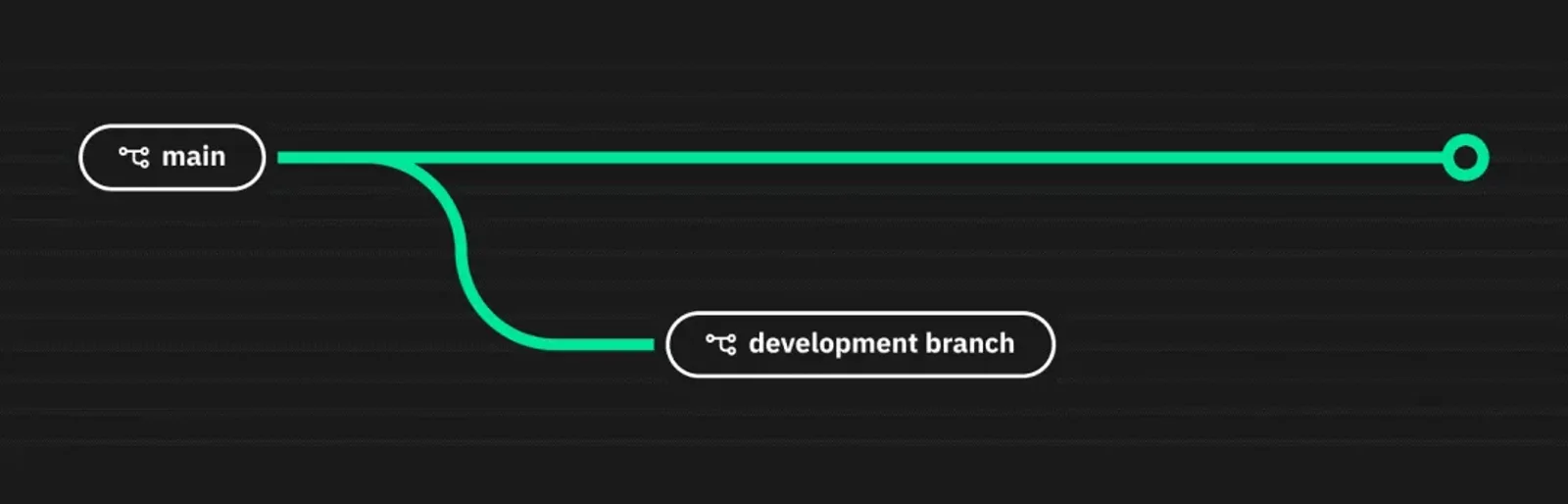
Neon provides database branching for schema changes. To add a column or adjust an index, create a branch, run migrations, test application queries, and verify changes without affecting the main branch. This also serves as a safe environment for AI-assisted migration code. Branching requires Neon; standard PostgreSQL lacks this feature. Branched data is not automatically masked; permissions must still control what developers or AI can see.
Validate with Real Data Before Committing
Consolidating systems shares CPU, memory, and I/O. Building vector indexes or bulk updating documents can starve business queries. Benchmarking search speed alone misses this contention. pgvector supports exact search (full scan) and approximate indexes (HNSW, IVFFlat) which may miss closer candidates. "Exact" refers only to distance calculation; embedding quality is separate.
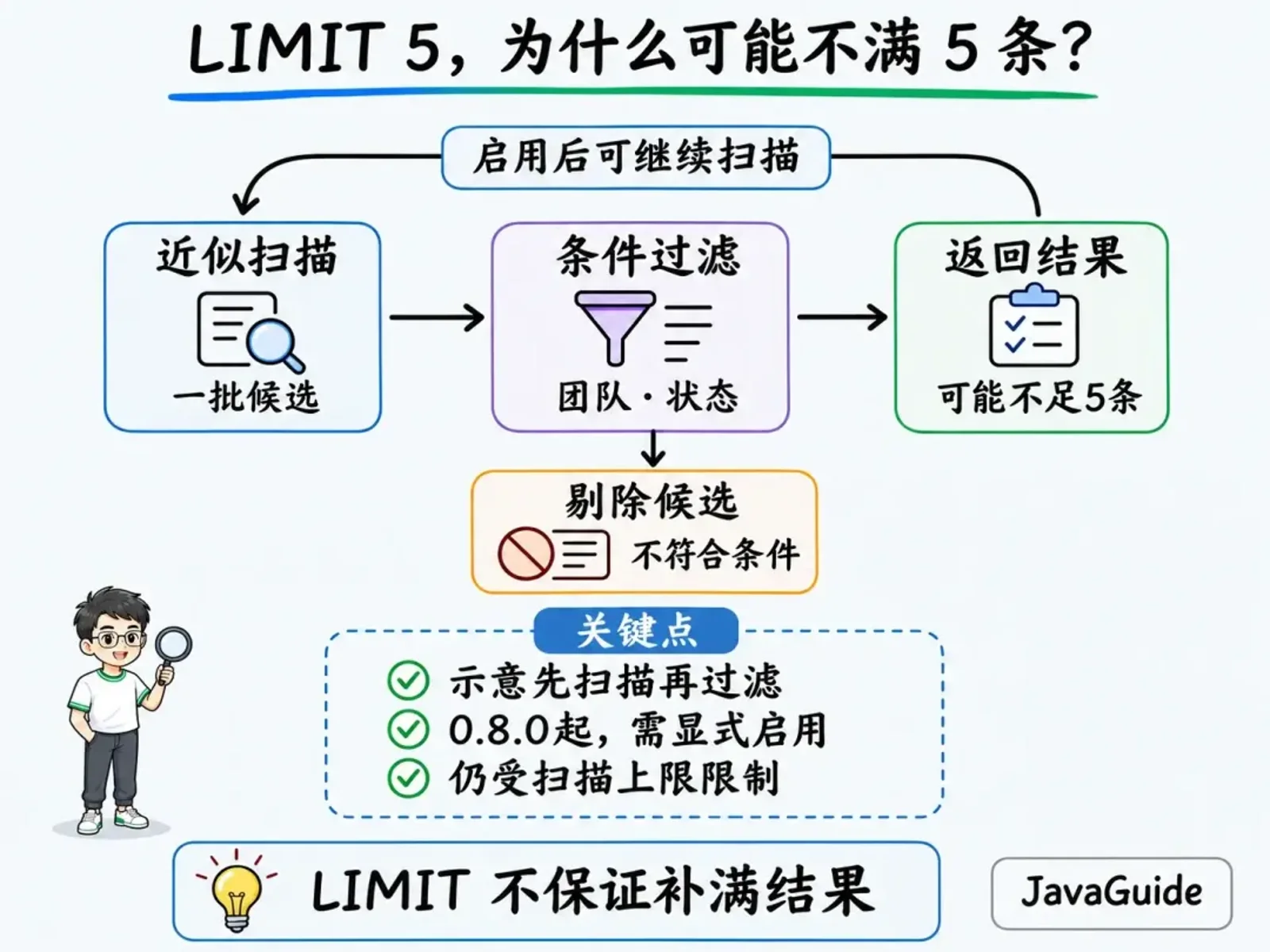
The example query uses LIMIT 5, but approximate index scans may return fewer than five results after filtering by tenant_id and status. Candidates from other teams or unpublished documents are discarded, potentially leaving fewer than five matches even if more exist. Since pgvector 0.8.0, iterative index scans can continue searching, but remain bounded by configuration. For highly selective filters, using a conventional index to narrow the range before exact vector search may be better. The optimal path depends on data distribution and execution plans.
Validation should combine retrieval quality and operational cost:
Prepare real questions and expected documents; verify the right content is found, not just that five rows return.
Include actual team, permission, and version filters; check result count and relevance after filtering.
Observe latency and business query impact under concurrent queries, document updates, and index maintenance.
If search load becomes heavy enough to require independent scaling, or a dedicated search system is clearly a better fit, that portion can be extracted. The benefit of fewer systems must be weighed against resource contention, tuning complexity, and blast radius of failures. For a new AI application needing search, start with PostgreSQL: manage business data with SQL, add search and vector capabilities as needed, and validate with real data. If it meets requirements, you save the effort of building and syncing separate systems. Existing MySQL projects running well should stay unless specific needs justify migration; adding an AI feature does not mandate a database switch.
For questions about attribution, corrections or content rights, please contactand we will review it promptly.