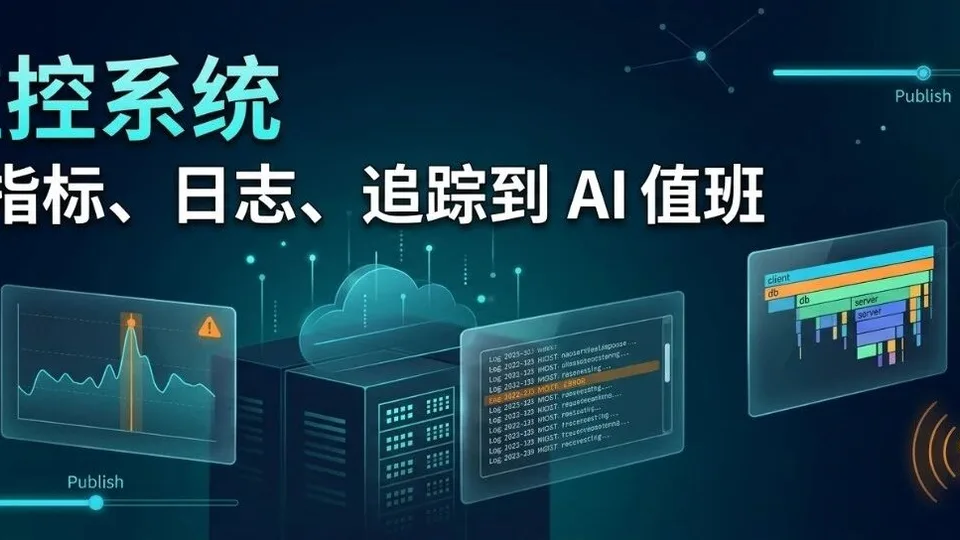
A comprehensive guide to deploying Loki with Promtail/Alloy for centralized logging, covering architecture decisions, label design, single-binary deployment with object storage, LogQL query patterns, monitoring, troubleshooting, and migration from Promtail to Alloy.
This article outlines 30 best practices for Jenkins declarative pipelines, organized into diagnosis, structure, credentials, deployment, maintenance, and rollback, with concrete commands and code examples to prevent frequent failures.
This article explains the 3-2-1 backup principle—keep three copies of data on two different media with one offsite—covers why backups are essential, what data to prioritize, compares backup methods like external drives and cloud storage, details full/incremental/differential strategies, recommends automation tools, and stresses the critical importance of regularly testing restores.
The article analyzes why servers favor Linux over Windows, highlighting Windows' GUI as a resource-heavy liability, Linux's unified library directories simplifying dependency management, and Docker's reliance on Linux kernel features like cgroups and lightweight distros such as Alpine Linux.
This guide compares five Linux file comparison tools—diff, colordiff, wdiff, vimdiff, and sdiff—covering syntax, key options, installation steps, and practical examples for line-by-line, word-level, colored, side-by-side, and interactive diff workflows.
This guide shows how to self-host Vaultwarden on a Mac using Docker and Caddy, create a read-only account for an AI coding assistant, and wrap the Bitwarden CLI in a script that unlocks, retrieves exact-match passwords by name, and immediately locks the vault, keeping secrets out of chat history and environment files.
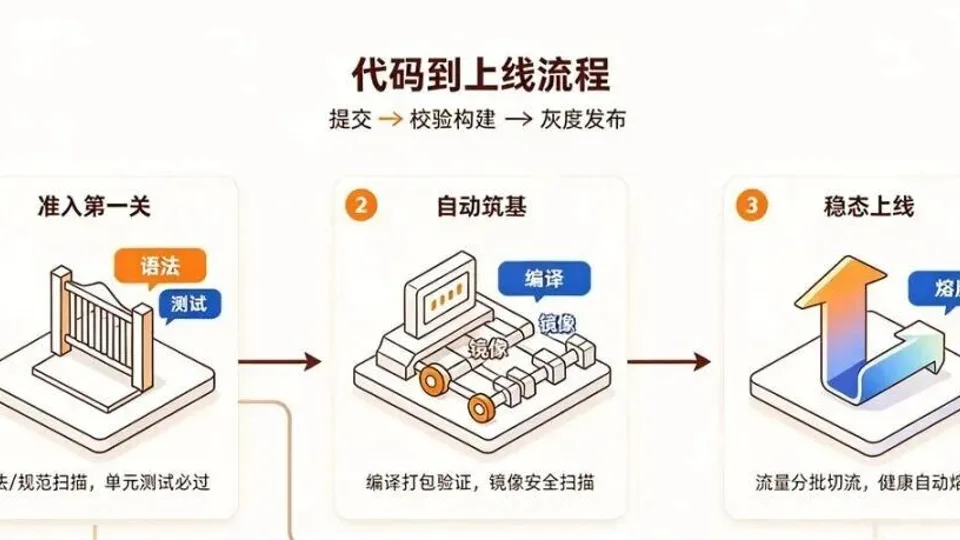
This article details a production-grade CI/CD pipeline with seven stages, four testing layers, Kubernetes deployment using ECR secrets, ALB-based canary deployments, database expand-contract migrations, and a five-layer defense-in-depth rollback strategy to control change blast radius.
This comprehensive guide covers Nginx performance tuning and reverse proxy best practices, from identifying real-world bottlenecks like missing keepalive and buffer misconfiguration to systematic optimization of kernel parameters, connection reuse, caching, TLS, and observability with concrete verification commands.
This comprehensive guide covers MinIO cluster deployment, erasure coding configuration, S3 API compatibility nuances, TLS/load balancing setup, user policies, monitoring, backup strategies, and troubleshooting common production issues like write quorum failures and signature mismatches.
This article provides a step-by-step guide to implementing SaltStack for operations automation, covering master/minion deployment, key-based authentication, state tree and pillar configuration, grain-based targeting, canary deployments with dry-run verification, batched rollouts, health checks, troubleshooting techniques, and Git-based rollback procedures on Ubuntu 22.04.
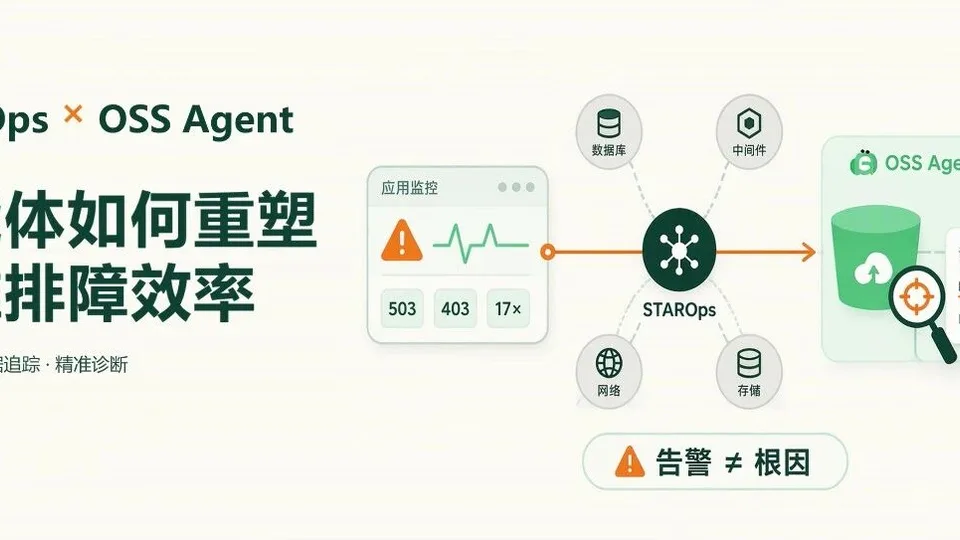
This article demonstrates how Alibaba Cloud's STAROps platform and OSS Agent collaborate to transform ops troubleshooting by correlating cross-domain monitoring data and storage-layer diagnostics, using three real-world scenarios where alerts pointed to the wrong domain while root causes lay in naming conventions, bucket policies, and referer configurations.
The article explains that AI agents can accelerate individual steps like material processing, but overall business delivery time may not improve due to unchanged bottlenecks such as waiting for supplements, approval queues, and rework. It advocates measuring human effort, end-to-end time, and throughput across the full value stream, tracking failures and handoffs, comparing comparable tasks, and validating improvements with quality guardrails rather than assuming local speedups equal systemic gains.
This comprehensive guide covers Nginx log analysis techniques for identifying abnormal requests and attack sources, including custom log formats, command-line analysis with awk/grep/sort, attack pattern detection (CC, scanners, SQL injection), rate limiting and blocking configurations, log rotation, troubleshooting workflows, and production best practices.
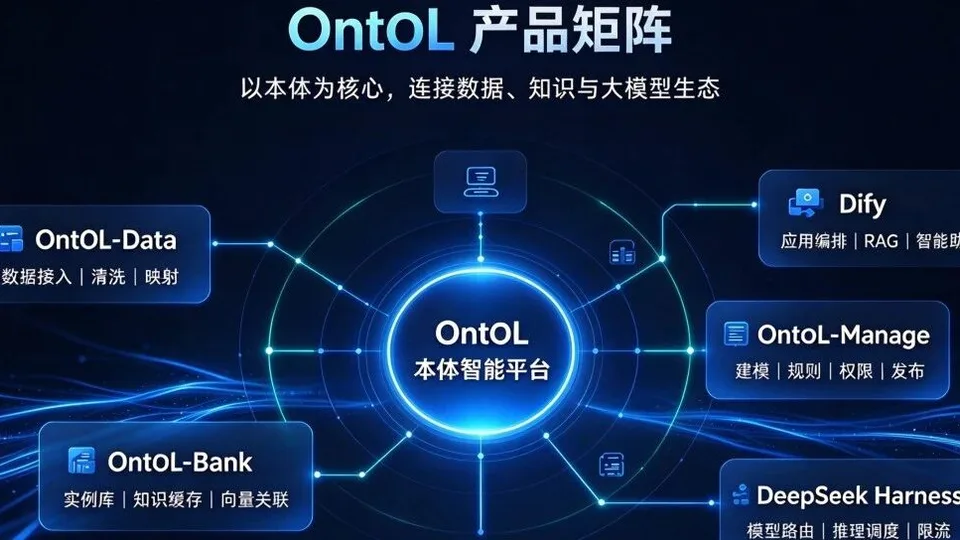
A detailed case study of a 10-step ontology platform deployment for a clothing company's fast-response supply chain, covering strategic positioning, goal decomposition, organizational alignment, SOP definition, competency questions, rule reasoning, causal analysis, workflow automation, strategic feedback, and ontology upgrades using the OntoL semantic platform.
This article provides a comprehensive decision framework for choosing between Layer 4 and Layer 7 load balancing, covering protocol analysis, TLS termination, health checks, session persistence, canary deployments, observability, and rollback procedures using HAProxy as a reference implementation.
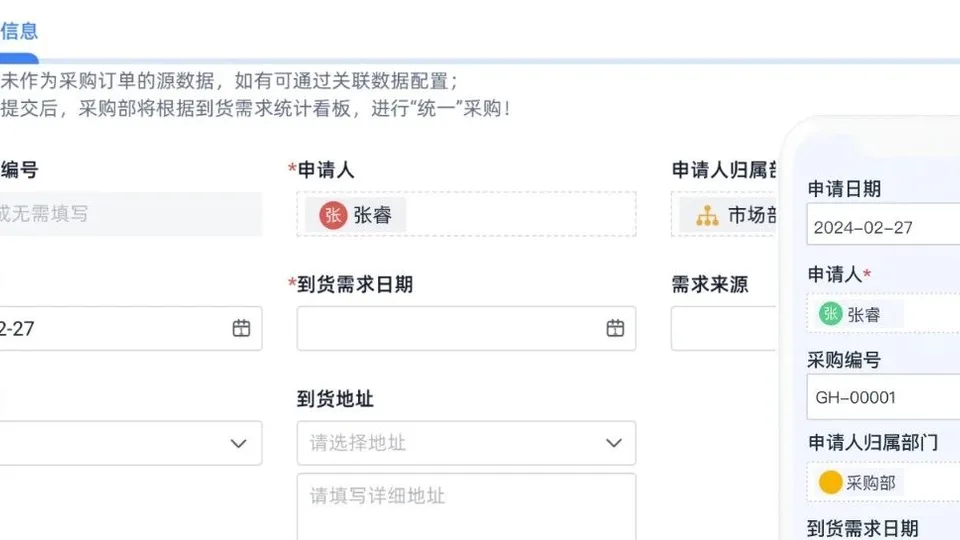
A high-paid procurement director shares a systematic six-step framework for cost reduction that goes beyond supplier negotiation, covering demand consolidation, supplier rationalization, total cost analysis, inventory control, quality front-loading, and process automation to uncover hidden savings across the procurement lifecycle.