The article clarifies the often‑confused concepts of synchronous, asynchronous, blocking, and non‑blocking operations by introducing two independent dimensions, illustrating each with real‑world analogies, mapping them to BIO/NIO/AIO models, and offering practical guidance for choosing the right approach in different scenarios.
The article clarifies the distinct meanings of concurrency, parallelism and asynchrony, explains their underlying mechanisms with concrete Java examples, highlights common misconceptions, and offers practical guidance on when to apply each model in real‑world systems.
The article analyses why message queues are not a cure‑all, using real e‑commerce and finance incidents to dissect the three core benefits—decoupling, asynchronous processing, and peak‑shaving—while exposing production challenges such as loss, duplication, ordering, dead‑letter handling, and end‑to‑end consistency, and offering concrete Java code, benchmark tables and a practical MQ selection guide.
This article clarifies the distinct concepts of concurrency, parallelism, and asynchrony, detailing their definitions, implementation mechanisms, resource needs, timing semantics, and ideal use‑cases to help developers choose the right model for high‑performance systems.
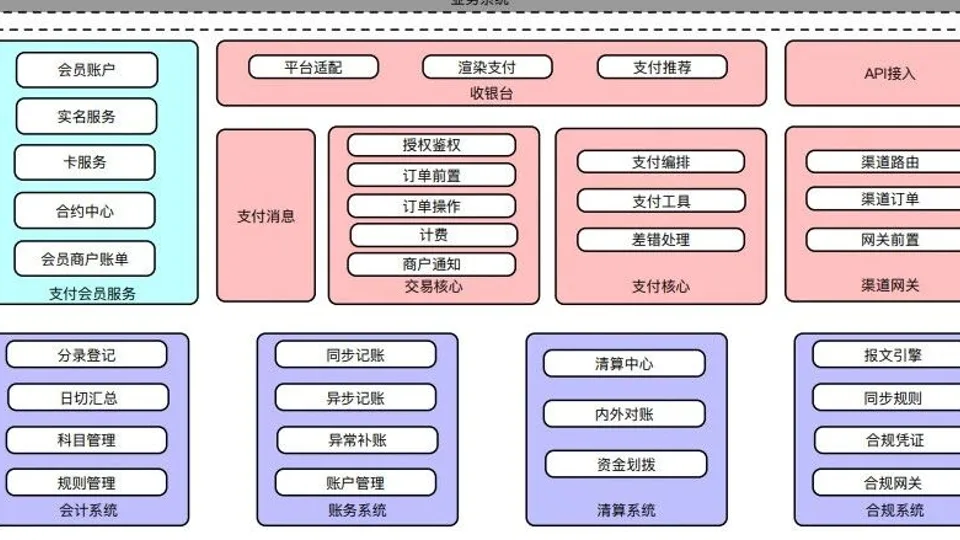
This article presents a comprehensive overview of a typical payment system architecture, detailing the division between transaction and payment cores, their interactions, service governance, data consistency, asynchronous processing, and practical production practices for building stable, scalable backend payment services.
This article explores the comprehensive architecture of modern payment systems, detailing the interaction between transaction and payment cores, system components such as gateways, accounting, service governance, data consistency, async processing, and practical performance and stability practices used in large‑scale financial platforms.
This article explains how modern payment platforms are structured into transaction and payment cores, details their interactions, service governance, data consistency, asynchronous processing, and practical production practices such as performance testing and stability management.
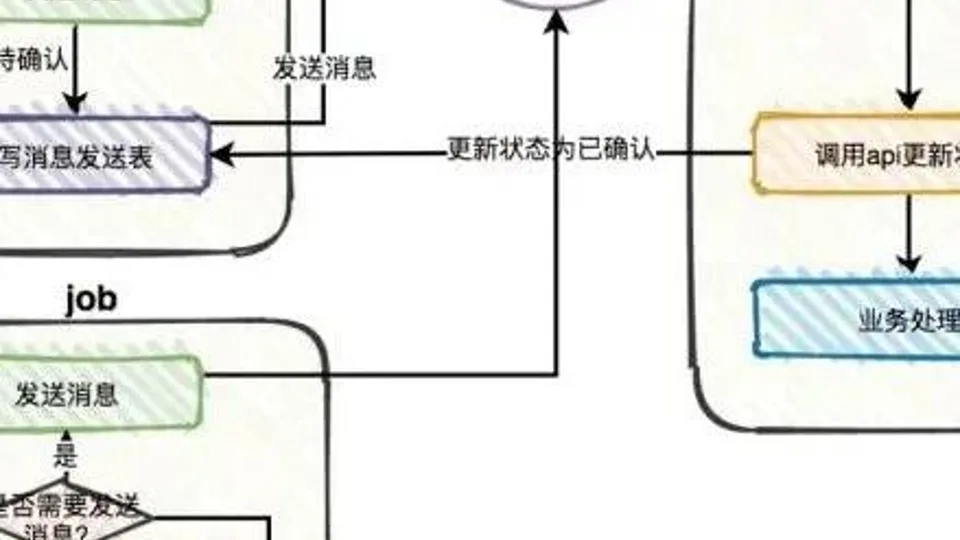
This article explains how message queues help decouple services, enable asynchronous processing, smooth traffic spikes, and improve system resilience, while also detailing common challenges such as reduced availability, increased complexity, duplicate consumption, data consistency, message loss, ordering, and backlog, along with practical mitigation strategies.