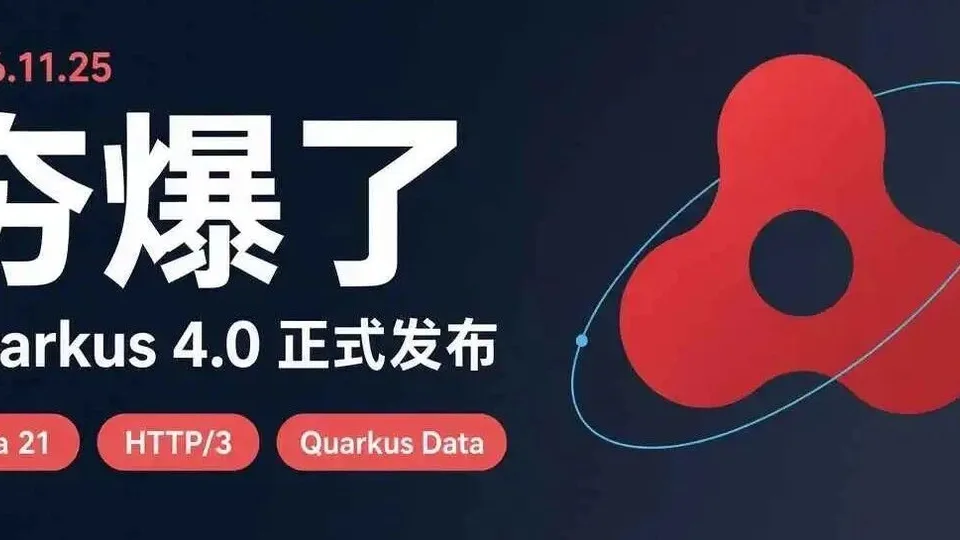
Quarkus 4.0 upgrades to Java 21, Vert.x 5, Jackson 3, and introduces Quarkus Data for compile-time repository generation, optional HTTP/3 support, virtual threads for blocking REST endpoints, and built-in observability with @Observed annotation, plus migration tips and code examples.
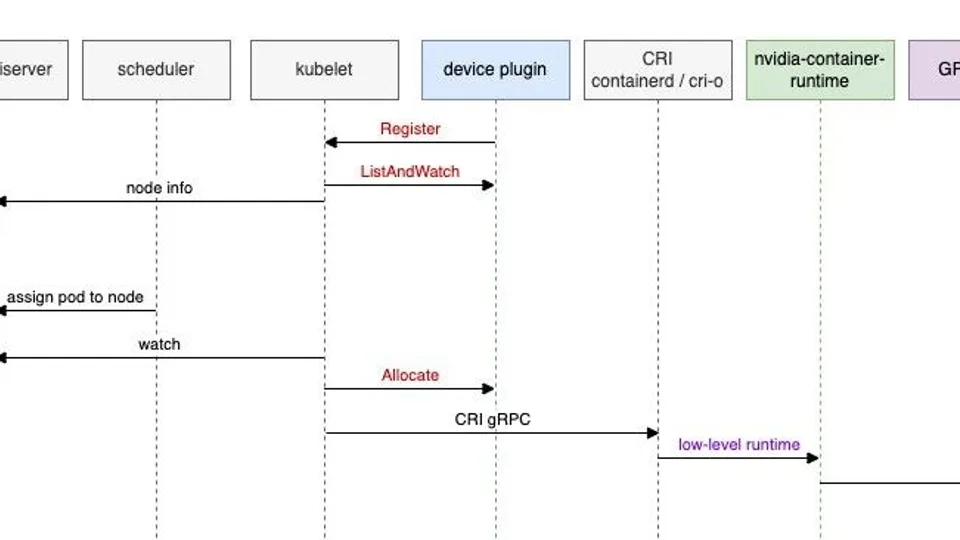
A systematic guide to debugging GPU container failures across host, runtime, and application layers — covering Docker, containerd, Kubernetes, CDI, permissions, and multi-GPU communication with concrete commands and verification steps.
Jakarta EE, the rebranded Java EE now governed by the Eclipse Foundation, offers open standards, built‑in enterprise capabilities, cloud‑native improvements, a smooth upgrade path for legacy systems, and familiar APIs, making it an attractive alternative to Spring for long‑term, maintainable applications.
Jakarta EE 10 requires Java 11 (with optional Java 17 support) and brings a mix of minor and major updates across dozens of specifications, including new versions of Authentication, Concurrency, CDI, EL, JSON Binding, Security, Server Faces, Standard Tag Library, SOAP with Attachments, XML Binding, and a streamlined Core Profile for microservices.
This article explains how Kubernetes manages and schedules GPU resources by introducing the Device Plugin framework, the Container Device Interface (CDI), Node Feature Discovery (NFD), and the GPU Operator, detailing their workflows, APIs, and practical usage with NVIDIA GPUs.
This article explains how Kubernetes uses the device‑plugin framework to extend resources beyond CPU and memory, details the kubelet registration and allocation workflow, and walks through the relevant source code in pkg/kubelet/cm/devicemanager that builds the OCI spec.
This tutorial explains how to leverage KubeVirt on a Kubernetes cluster to create and run a Windows 10 virtual machine, covering architecture, disk options, preparation, installation, image upload, VM definition, networking, VNC/RDP access, and CNI troubleshooting in a comprehensive, hands‑on manner.
This tutorial walks through creating a lightweight RESTful web API for managing people using Java EE standards such as JAX‑RS, CDI, JPA, Bean Validation, OpenAPI, and the Eclipse MicroProfile stack, showing the full code, Maven setup, and integration testing.