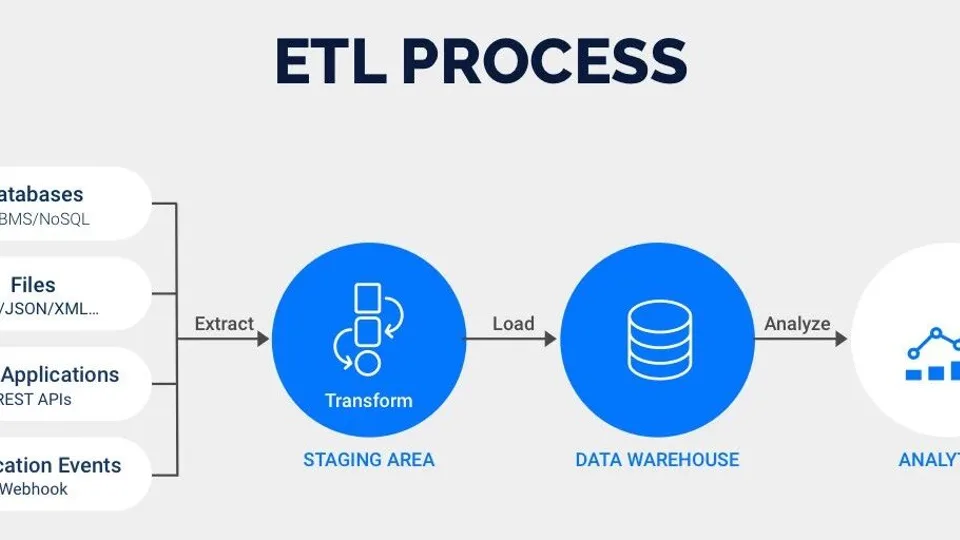
This article explains the core differences between ETL, ELT, and ETLT data integration patterns, emphasizing that the key distinction is where transformation occurs—before or after loading—and provides five decision criteria for choosing the right approach based on data latency, raw data retention, compute costs, and business logic volatility.
This article explains Java callback mechanisms — synchronous and asynchronous — through interfaces, anonymous classes, lambdas, and CompletableFuture, demonstrates their use in Spring's BeanFactory and a payment integration, and shows how functional interfaces enable flexible data transformation for multi-bank integration.
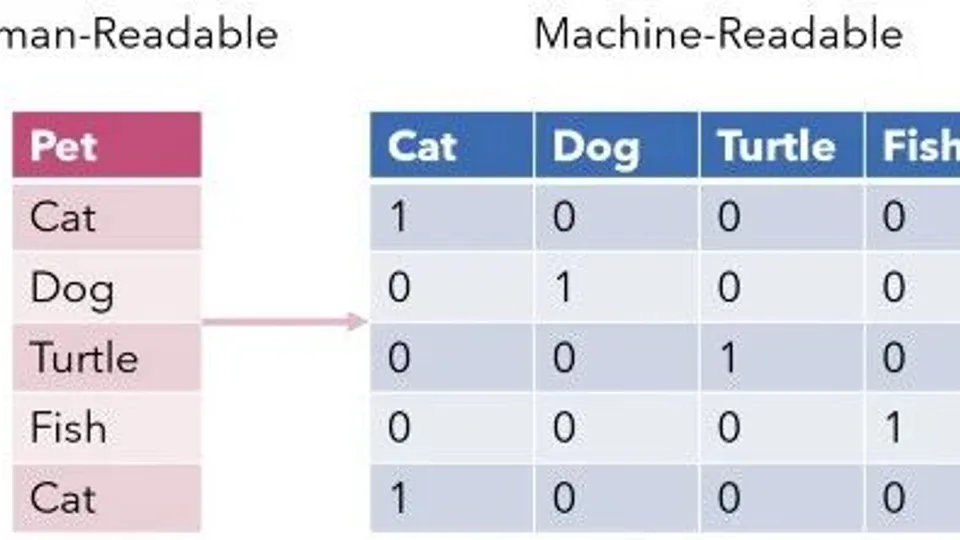
The article walks through nine essential data preprocessing techniques—handling missing values, detecting outliers, removing duplicates, standardizing features, applying transformations, encoding categorical variables, extracting time‑based features, integrating multiple data sources, and selecting relevant subsets—to improve model accuracy and reliability.
This article explains the Model Context Protocol (MCP) architecture, demonstrates how to build an MCP service for fetching Figma design data, details the data simplification pipeline, and shows how AI assistants can use standardized, secure context to generate accurate code from design files.
This article explores Jsonnet—a powerful, Turing‑complete configuration language—for generating and transforming JSON/YAML, detailing its background, implementation architecture, practical usage examples in Java, performance optimizations, and why it outperforms traditional JSON tools in complex data pipelines.
This article introduces the concept and benefits of Java Stream programming, explains its core features such as lazy evaluation, parallel processing, and functional style, and provides detailed examples of creating streams, common intermediate and terminal operations, and practical use cases for data manipulation.
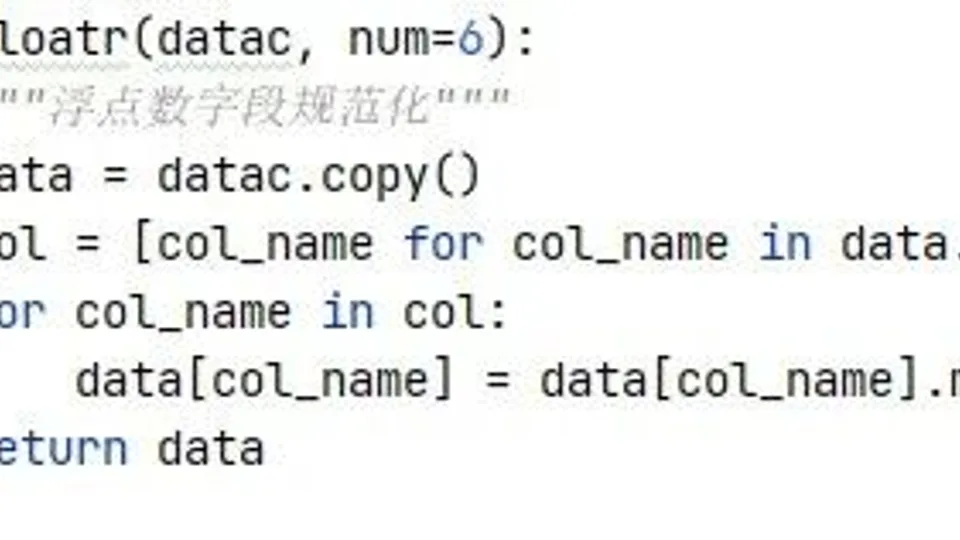
This article walks through a fan‑driven Python tutorial that demonstrates using pandas' applymap with lambda functions for batch data conversion, compares a simple loop approach, and showcases a refined code snippet that elegantly meets the extended requirements.
This article teaches how to use Pandas for data reshaping, covering the melt method for converting wide-format data to long-format and the pivot method for the reverse transformation, with practical code examples.
This article provides a comprehensive overview of 20 essential Pandas data processing methods with detailed code examples covering statistics, data cleaning, transformation, filtering, merging, grouping, sorting, reshaping, aggregation, window functions, time series analysis, conditional selection, indexing, slicing, visualization, type conversion, data filling, filtering, renaming, and import/export operations.
This guide explains how iLogtail 2.0 introduces the SPL (SLS Processing Language) to unify log and time‑series data handling, compares native, extension, and SPL processing modes, and provides step‑by‑step SPL examples for regex, delimiter, JSON, desensitization, field addition, encoding, URL parsing, and mathematical operations.
This article walks through a pandas data‑processing question where a one‑column DataFrame is grouped every five rows and reshaped into five columns, presenting two Python solutions—including list slicing and groupby aggregation—along with clear code examples and explanations.
This comprehensive guide explains Java Stream fundamentals, its advantages such as declarative syntax, lazy evaluation, and parallel processing, and walks through creating streams, common intermediate and terminal operations, parallel streams, and practical code examples for handling collections and files.
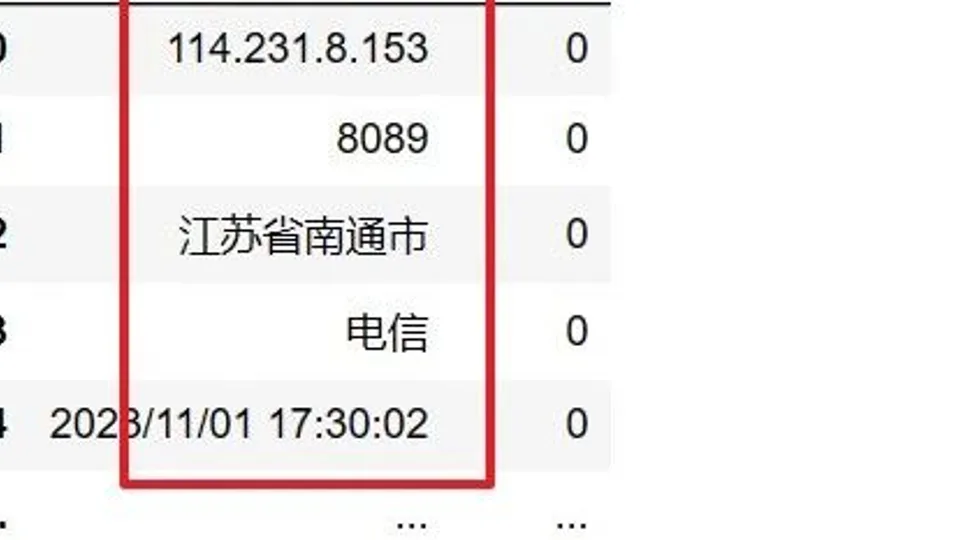
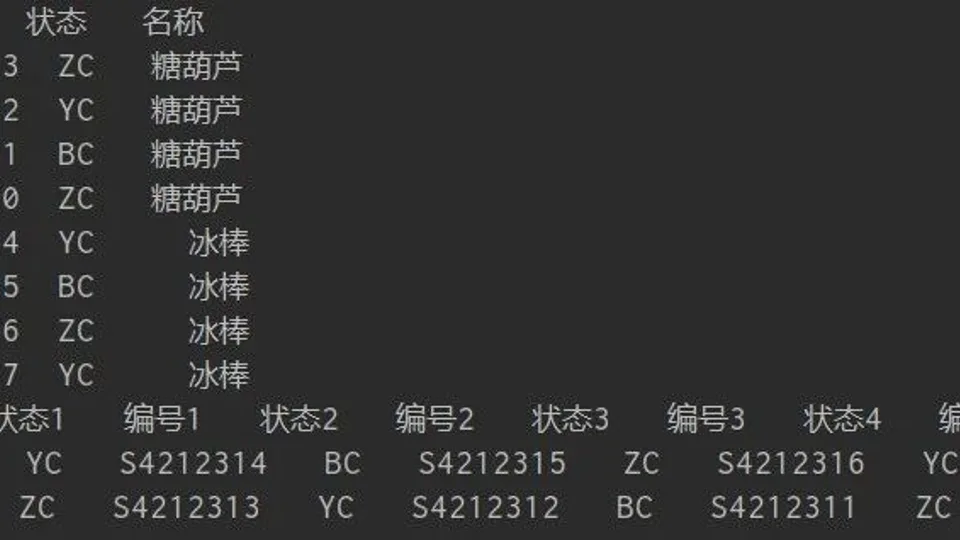
This article walks through a pandas‑based solution for transforming an Excel sheet that mixes status, ID and name columns into a clean, pivoted layout where each status and ID becomes its own column aligned with the corresponding name, complete with code and visual results.
Box‑Cox transformation, introduced by Box and Cox in 1964, corrects skewed data to approximate normality by optimizing a λ parameter via maximum likelihood, enabling more accurate statistical modeling and machine‑learning predictions, as demonstrated with a crime‑rate dataset and Shapiro‑Wilk tests.
This article introduces MaxCompute’s new PIVOT and UNPIVOT syntax, explains their use cases for converting rows to columns and vice versa, provides detailed syntax rules, and demonstrates practical examples with code snippets to simplify data transformation and boost developer productivity in big-data environments.
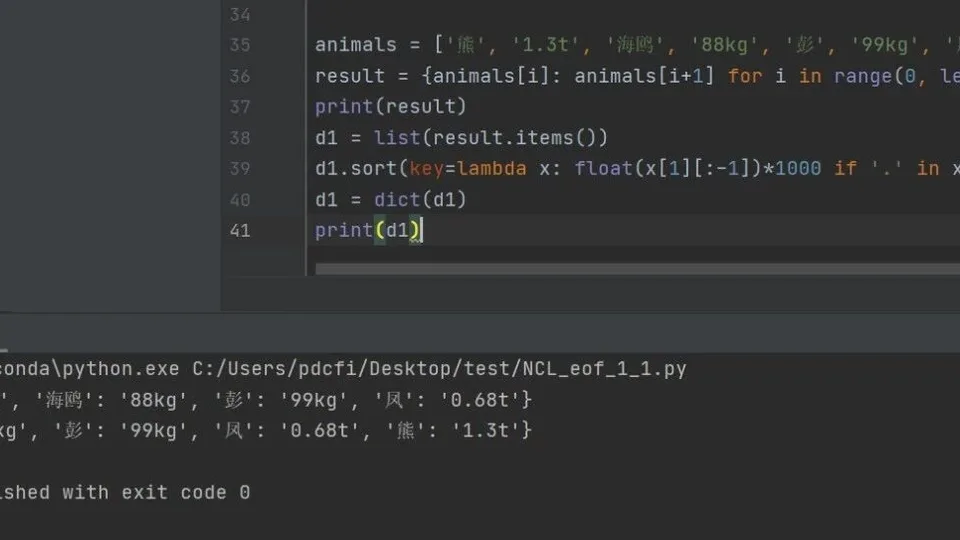
This article demonstrates how to convert a Python list into a dictionary, sort the resulting mapping by numeric weight values (handling both 't' and 'kg' units), and extends the technique to nested lists and back‑to‑list conversions, providing multiple code solutions and explanations.
The article details how to add field‑lineage tracking to Spark SQL by creating a custom SparkSessionExtension that injects a check‑analysis rule and a parser, which capture INSERT statements, analyze the physical plan, and generate a JSON mapping of source‑to‑target fields for data governance.
This tutorial demonstrates how to reshape a one‑dimensional pandas DataFrame into a two‑dimensional format using both pivot_table with a custom aggregation function and the unstack method, providing step‑by‑step code, visual results, and practical tips for handling larger datasets.
This article explains the concept, syntax, and practical applications of SQL CASE expressions, covering simple and searched forms, row‑to‑column pivots, statistical transformations, conditional SELECT and UPDATE statements, and CHECK constraints, with detailed code examples and best‑practice tips.
This article demonstrates how to reshape a one‑dimensional dataset into a two‑dimensional table using pandas, covering the data requirements, import steps, and two practical methods—pivot_table with a custom aggregation function and the unstack technique—complete with code snippets and visual results.
This tutorial demonstrates how to use the jq command‑line tool to extract an array of objects from a JSON file, reshape the data into a two‑column format, and output it as properly formatted CSV, including handling of quoting and raw output options.
The article explains how building low‑latency applications relies on simplicity, minimizing data transformations, using lightweight libraries, and separating business from infrastructure code to achieve high performance, maintainability, and reduced operational costs.