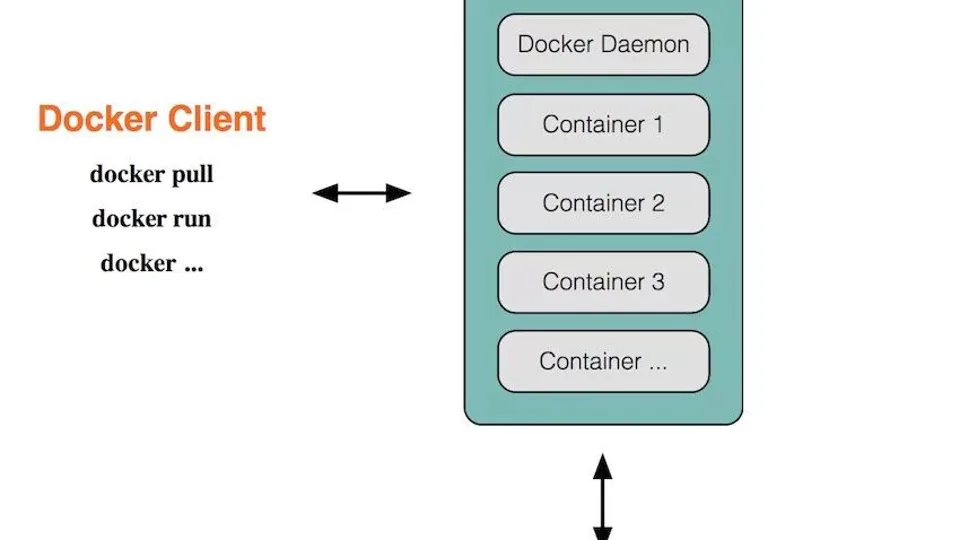
This article explains Docker's client‑server architecture, core isolation mechanisms like Linux namespaces and cgroups, the layered UnionFS image model, and how libcontainer/runc creates containers, providing a comprehensive technical overview of Docker as a cloud‑native platform.
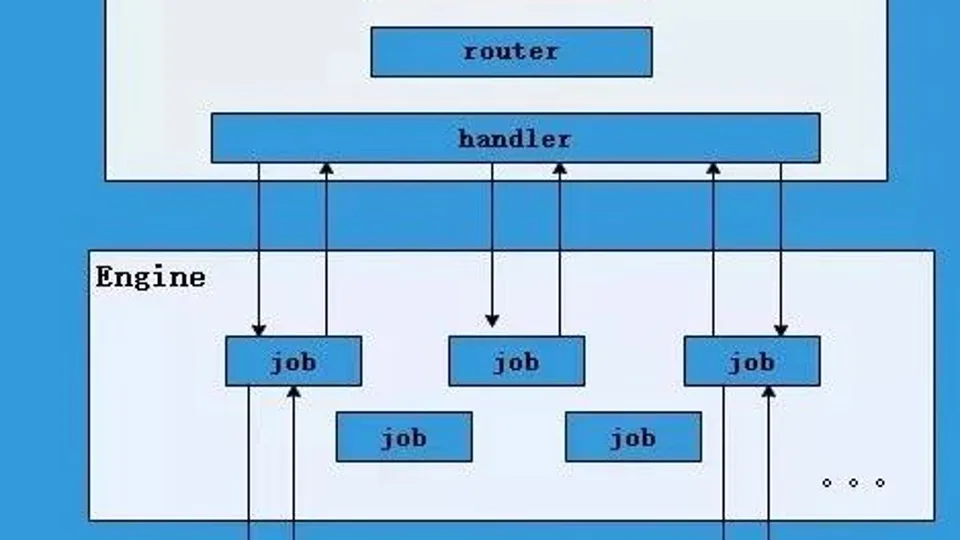
This article explains Docker as a lightweight container technology, detailing its architecture—including client, daemon, and registry—core Linux-based technologies such as namespaces, cgroups, and UnionFS, and walks through the step‑by‑step process of running a container from image pull to process launch.
This article provides a comprehensive introduction to Docker, covering its foundation on Linux Containers, the differences between Docker and LXC, the internal architecture and key components, and step‑by‑step commands for installing, managing images, running containers, and inspecting logs.
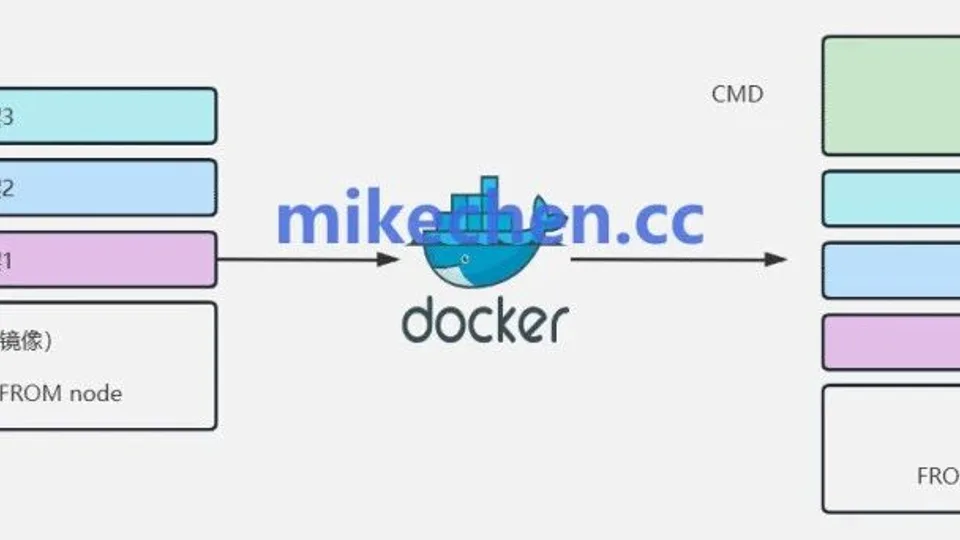
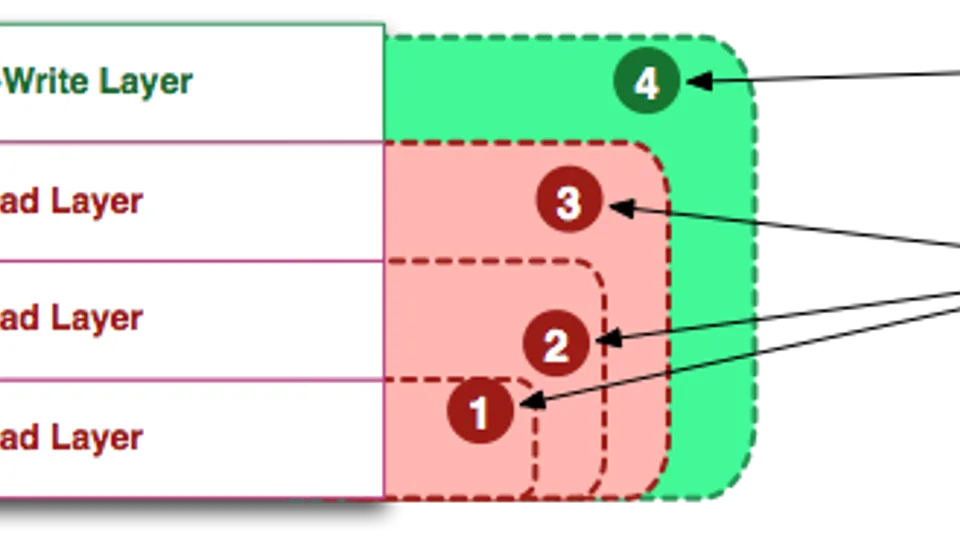
This article provides a comprehensive, step‑by‑step explanation of Docker’s architecture—including the differences between images, containers, and running containers—while detailing the underlying union file system and illustrating each Docker command with clear examples and diagrams.
This article explains the fundamentals of Linux Containers (LXC), their relationship to Docker, Docker's core concepts, architecture components, and practical commands for installation, image management, container lifecycle, and troubleshooting, providing a comprehensive guide for developers and operations engineers.
Docker, an open-source tool written in Go, packages applications into lightweight Linux containers that share the host kernel, offering near-native performance, a client-server architecture with images and containers, simple bridge networking, essential CLI commands, and an evolving ecosystem including CoreOS, Kubernetes, and PaaS platforms.