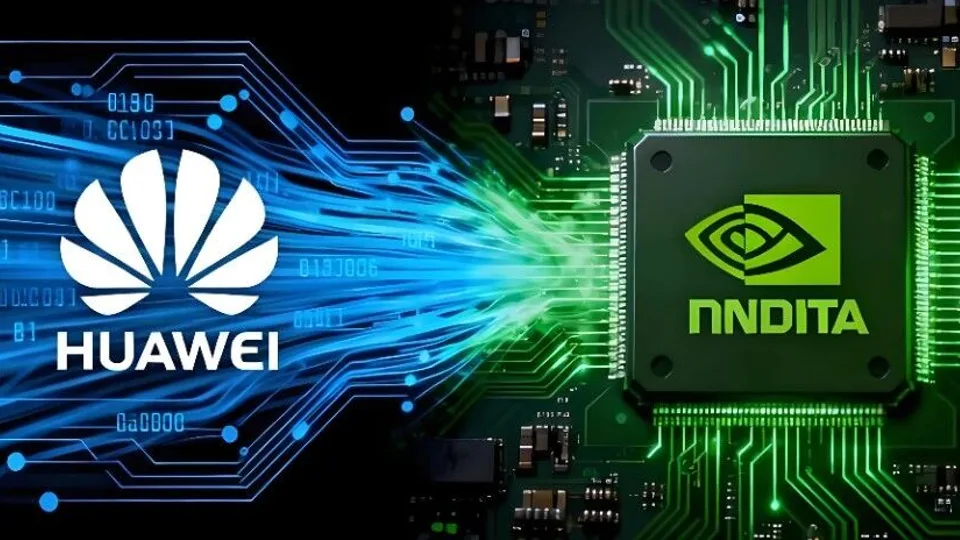
Although public statistics show domestic AI accelerator shipments soaring to over 55% market share and high penetration in key sectors, on‑site data‑center surveys reveal that less than 10% actually deploy Chinese chips, and hidden total‑cost‑of‑ownership issues make most enterprises still prefer Nvidia solutions.
The article explains that embedded software engineers don't need to be hardware experts, but must understand datasheets, basic digital circuits, common interfaces, interrupts, DMA, clock trees, and hardware pitfalls at different experience levels to effectively troubleshoot and integrate hardware in real projects.
SuNing’s fourth‑generation fully digital visual unmanned store combines 3D reconstruction, AI‑driven perception, and modular hardware‑software design to achieve real‑time, all‑scene, all‑time, all‑digital analysis of people, goods, and spaces, enabling precise offline marketing and scalable retail digitization.
The Lingjing system, built by Alibaba Infrastructure, provides an end‑to‑end hardware‑software performance diagnosis platform that collects fine‑grained metrics, visualizes data, automatically detects anomalies, and helps optimize resource utilization across complex data‑center stacks.
The article reviews recent advances in cloud computing hardware‑software integration, including Alibaba's FusionEngine storage engine, AI‑driven reliability and performance challenges, near‑data network acceleration, and the concept of server hardware AI, while also highlighting related research talks and recruitment notices.
This case study explains how a combination of kernel‑level NVMe driver congestion control, LVM adjustments, and SSD over‑provisioning was used to suppress severe IO bandwidth drops and jitter, ensuring smooth transaction processing for a high‑traffic Double 11 event.