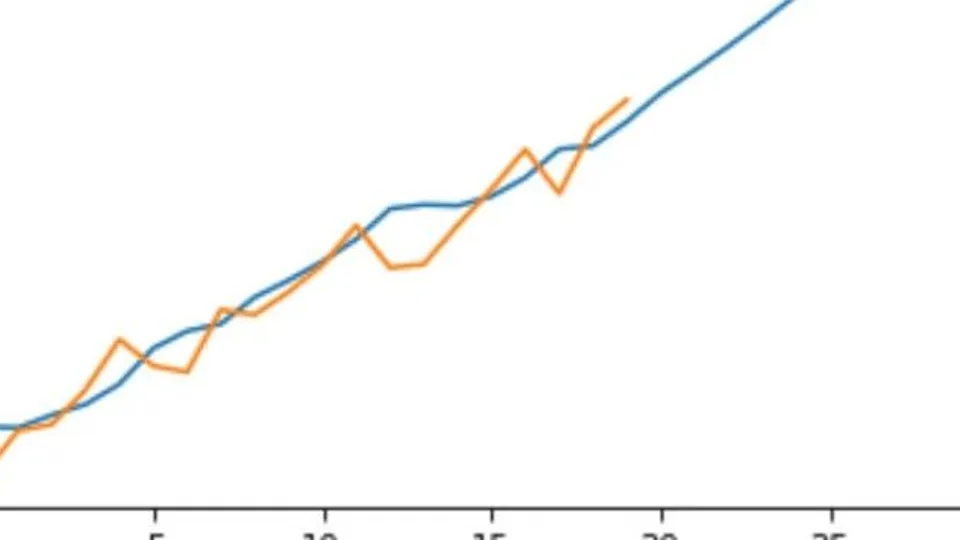
This article introduces the Holt‑Winters additive exponential smoothing model, explains its mathematical formulation and when to use additive versus multiplicative versions, and provides Python examples using statsmodels to fit both exponential and linear trend variations, illustrated with plots.
The paper proposes a containerized, machine‑learning framework that fuses rule‑based and XGBoost‑driven anomaly detection to monitor daily active users on a cloud music platform, achieving 89 % recall, 81 % precision and up to 74 % recall improvement over traditional threshold methods, while outlining future model refinement and broader metric applicability.
The article reviews traditional, neural network, and open‑source time‑series forecasting methods, explains their strengths and limitations, and demonstrates how NetEase applies short‑term and long‑term prediction models such as Holt‑Winters, ARIMA, STL, Prophet, and LSTM to improve game monitoring and proactive alerting.