This article shares Taobao Life's journey into the Metaverse, detailing how to evaluate and select mobile 3D engines, compare Web, Native and Hybrid approaches, build professional 3D art workflows, balance visual quality with performance, and cultivate a battle‑ready 3D team.
Kraken 0.10.0 introduces hybrid Flutter widget rendering, enhanced styling, performance optimizations, Flutter 2.5.3 support, and Linux compatibility, empowering web developers to integrate high‑performance native components while improving productivity and stability.
This article explains how Kraken, a high‑performance Web rendering engine, integrates Flutter widgets as custom elements, detailing the component architecture, registration process, rendering pipeline, adapter mechanisms, and advanced use cases such as optimizing waterfall‑flow performance for seamless hybrid Web‑Flutter applications.
This article explains Next.js’s three pre‑rendering modes—SSR, SSG, and ISR—detailing their advantages, limitations, and how they can be combined in hybrid rendering strategies, with practical code examples and deployment considerations for modern frontend development.
This article explains Next.js's three pre‑rendering strategies—Server‑Side Rendering, Static Site Generation, and Incremental Static Regeneration—along with their hybrid combinations, illustrating when to use each approach, their benefits, trade‑offs, and providing practical code examples.
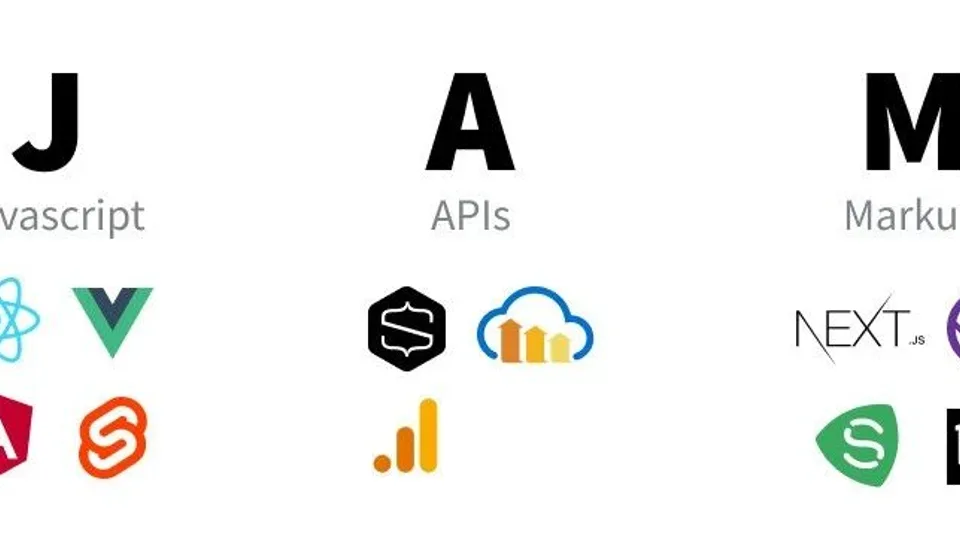
This article explains what Jamstack is, its modern front‑end workflow, benefits such as performance, security and scalability, common misconceptions, suitable use‑cases, and why hybrid rendering will become the next step for enterprise frameworks.