Learn step-by-step how to encrypt an Android Room database using SQLCipher, generate a random AES-256 key, protect it with the Android Keystore, and ensure the key is cleared from memory, providing production-grade data security against reverse engineering and local tampering.
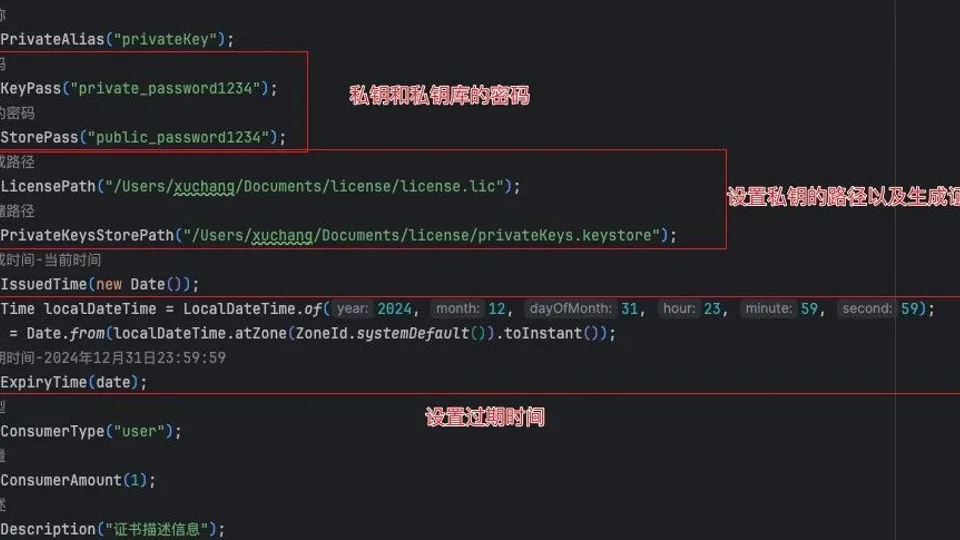
This article explains how to generate a Java license using TrueLicense, configure key pairs, create the license file, and integrate verification and installation steps into a Spring Boot application, including detailed code examples and deployment considerations for secure software licensing.
This article walks through implementing fingerprint login on Android, covering the legacy FingerprintManager API, the newer BiometricPrompt, integrating with Android Keystore for secure encryption, handling compatibility, UI considerations, and security best practices, complete with code examples and deployment results.
Google’s Android 13 Beta 1 introduces refined media‑file permissions with separate READ_MEDIA_* scopes, enhanced Keystore/KeyMint error reporting, and new predictive audio‑routing APIs, alongside other updates such as a photo picker, themed app icons, and improved localization support.
This guide explains where Ethereum stores encrypted private keys, how to create accounts via geth commands or console, the structure and contents of keystore files, and the cryptographic principles behind password‑protected decryption, helping you avoid losing access to your funds.