This article analyzes three real-world concurrency accidents to explain synchronized's lock essence, Mark Word upgrade mechanism, proper lock object selection, wait/notify cooperation, deadlock prevention via global ordering, and provides production-ready templates including a three-question design checklist, four code patterns, and an eight-point code review checklist.
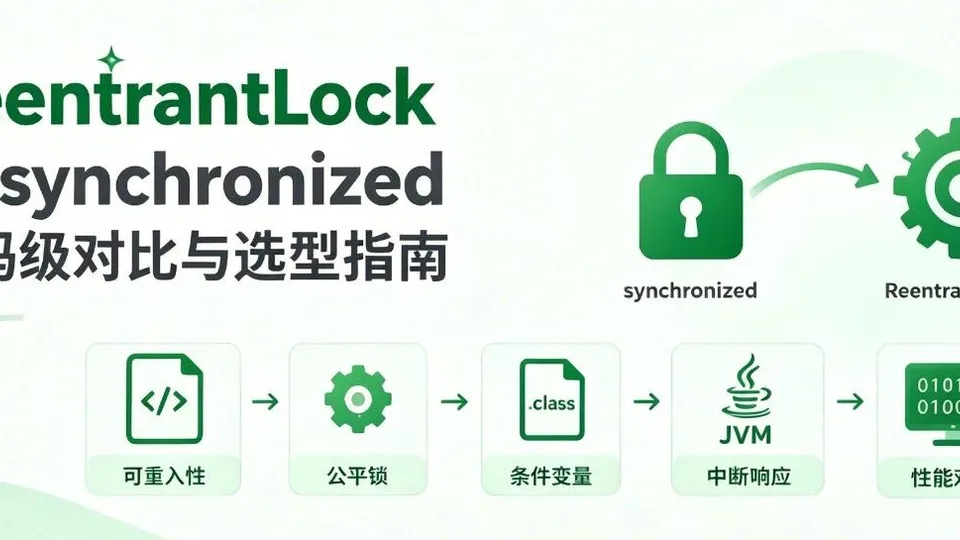
This article provides a comprehensive source-code level comparison of Java's ReentrantLock and synchronized, covering their underlying implementations (JVM monitor vs AQS/CLH), lock upgrade mechanisms, fairness, interruptibility, timeout support, condition variables, and performance characteristics across JDK versions to guide practical selection.
This article provides detailed explanations of ten core MySQL topics—including InnoDB lock upgrades, redo log mechanics, MVCC version chains, tablespace types, page splitting, optimizer plan selection, crash recovery, binlog vs redo log, adaptive hash index, and memory management—along with practical tips for avoiding pitfalls and tuning performance.
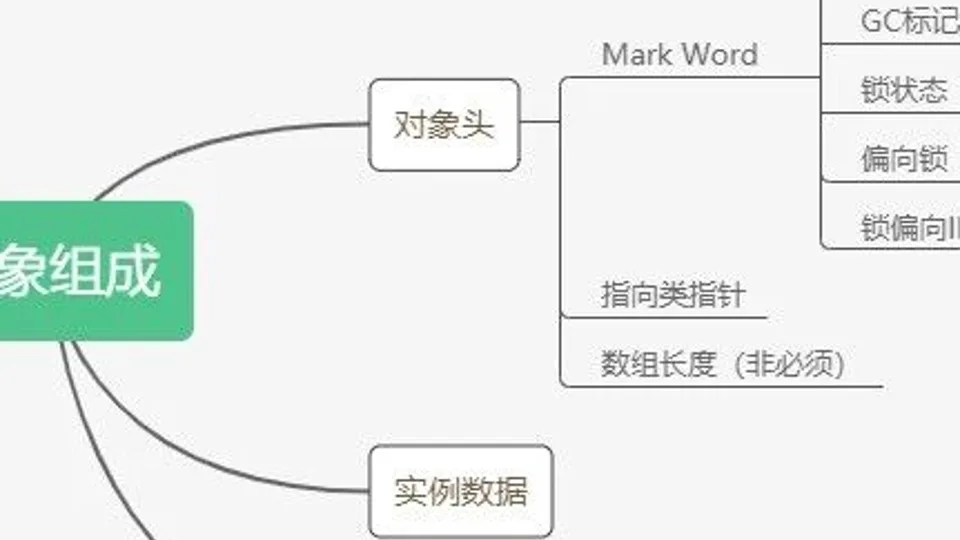
This article explains Java’s synchronized keyword, covering its usage on methods and blocks, the underlying object header and monitor structures, and the lock‑upgrade process from no lock through biased, lightweight, and heavyweight states, illustrated with code samples and diagrams.
This article explains how Java implements locks—from the basic use of the synchronized keyword and Lock interface to the internal object header structures, bias, lightweight, and heavyweight lock upgrades, and the role of CAS and monitor objects in JVM concurrency control.