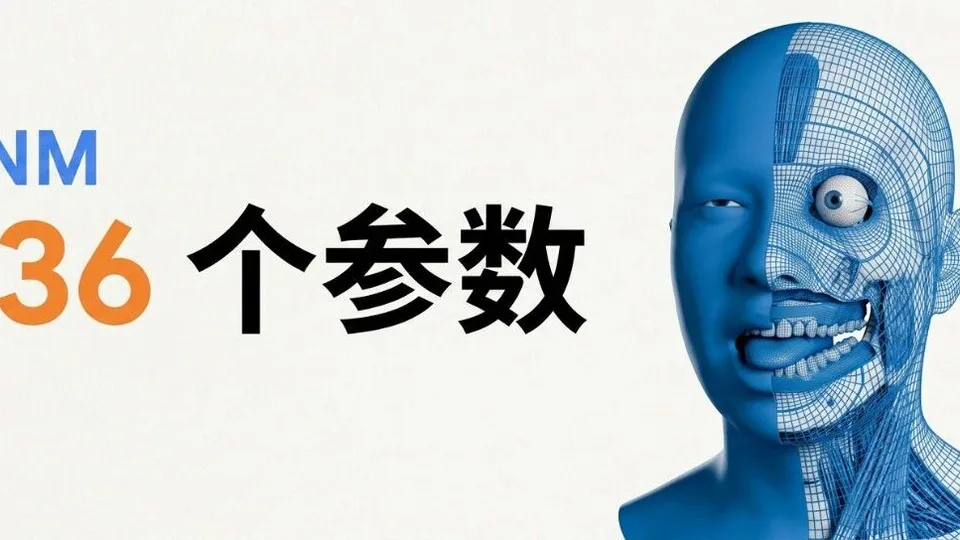
Google open‑sources the GNM Head, a 3D morphable model that splits a human head into 636 explicit identity, expression, pose and global parameters, allowing real‑time, programmable facial animation and seamless integration with MediaPipe, Three.js, Blender and other pipelines.
Google AI Edge introduces two open‑source projects—Gallery and LiteRT‑LM—that let Android developers run large language models locally without network connectivity, offering offline inference, privacy protection, GPU/NPU acceleration, and streaming output for real‑time AI experiences.
This tutorial shows how to inject JavaScript with Tampermonkey and use MediaPipe's hand‑gesture recognition to enable air‑gesture page scrolling, cursor movement, and click simulation, turning any web page into a touch‑free interface.
Liu Jun explains how Bilibili’s engineers replaced traditional pre‑processed SVG masks with a real‑time, browser‑based machine‑learning pipeline—using MediaPipe SelfieSegmentation, OffscreenCanvas, and Web Workers—to extract human contours and block faces in danmaku, achieving roughly 5 % CPU load on a 2020 M1 MacBook.
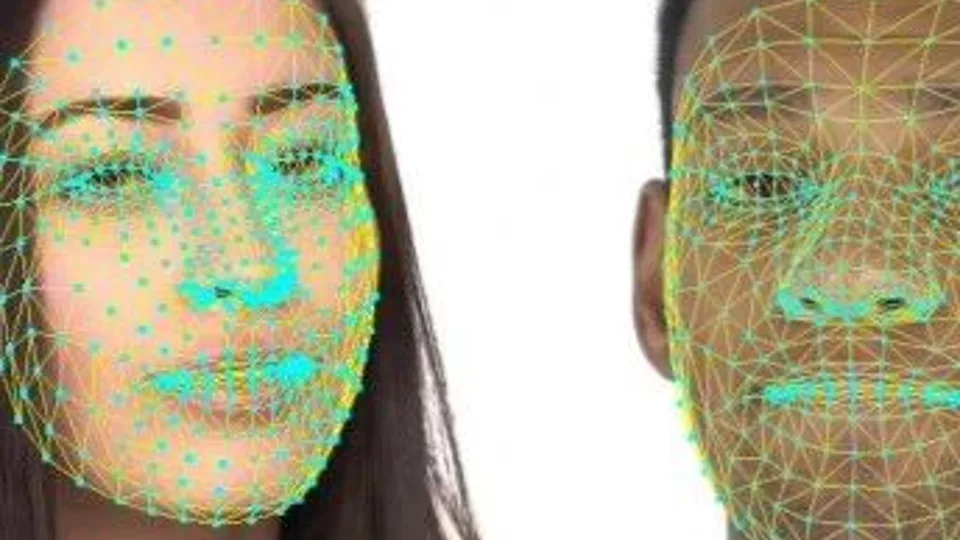
This article demonstrates how to use MediaPipe's Python API to extract 468 3D facial landmark points, configure detection parameters, and visualize the results with OpenCV, providing code examples and references to related research papers.