On June 21, the notorious JaredFromSubway.eth MEV sandwich bot was exploited by an attacker who leveraged the bot’s own automated token‑approval logic, draining over $7.55 million in WETH, USDC and USDT through a multi‑stage scheme involving fake tokens, deceptive liquidity pools, and a transferFrom call.
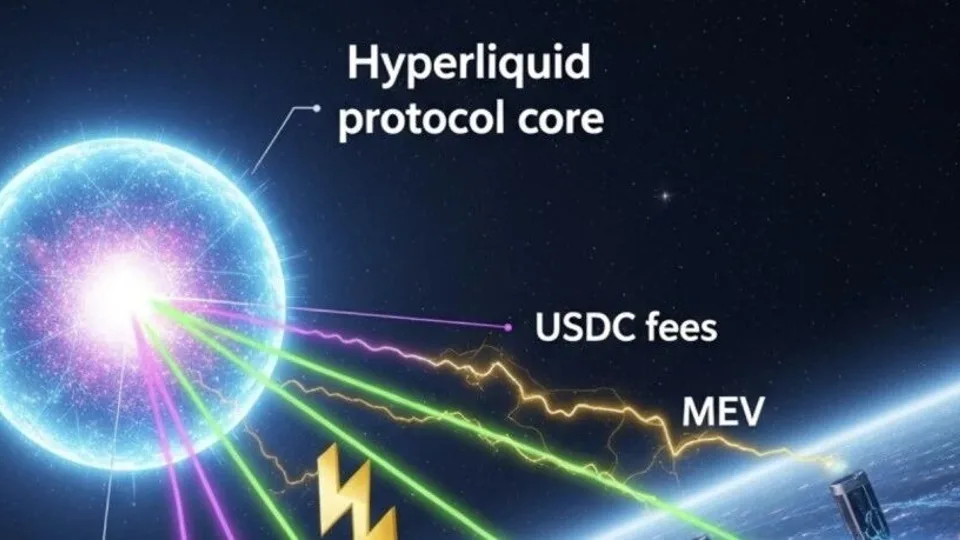
This article analyzes Hyperliquid's zero‑gas design, explaining how its custom high‑performance Layer 1 architecture internalizes costs and rewards validators through token inflation, trading‑fee sharing, and MEV opportunities, creating a sustainable economic loop for network security.
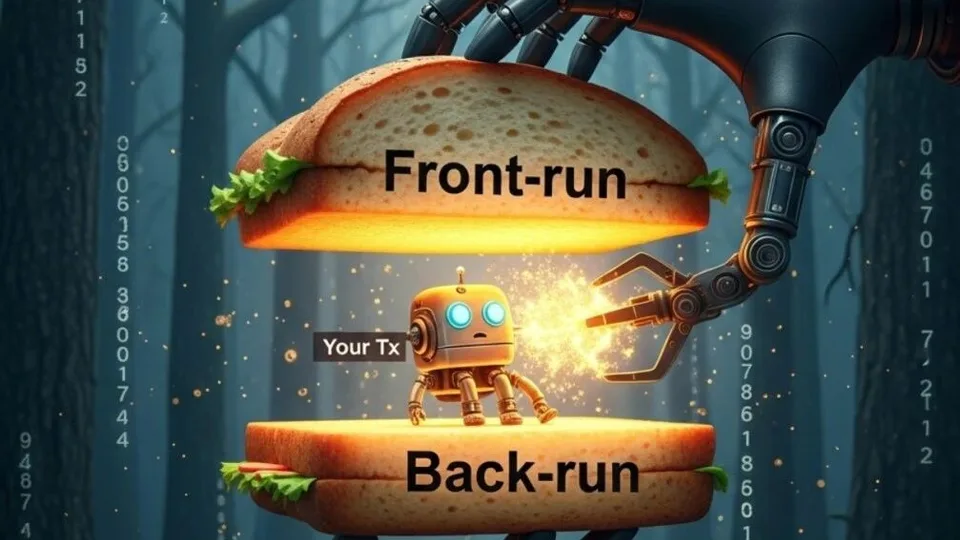
This article explains how decentralized exchanges use a constant‑product AMM model that makes prices slide, why users must set slippage tolerance, and how MEV sandwich attacks exploit that tolerance to extract value.
The article explains how Ethereum’s built‑in issuance rules, total ETH staked, and market dynamics such as priority fees and MEV combine to push staking APY from early double‑digit levels down to the current 3‑4% range.
This article provides a detailed forensic analysis of a Flashbots MEV bot attack on Ethereum, describing the underlying PBS protocol flaw, the malicious validator’s multi‑stage preparation, the sandwich‑style exploit, the financial impact, and recommended code‑level fixes to prevent private transaction leakage.