This article compares four NVIDIA GPU sharing methods—MIG, MPS, Time-Slicing, and vGPU—for Kubernetes clusters, detailing their isolation levels, hardware requirements, configuration steps, verification procedures, and failure-mode analysis to help operators select the right approach for their workloads.
This comprehensive guide covers Kubernetes GPU operations from driver installation and device plugin internals to resource scheduling, MIG partitioning, time-slicing, DRA migration, monitoring with DCGM, and production troubleshooting with real-world case studies.
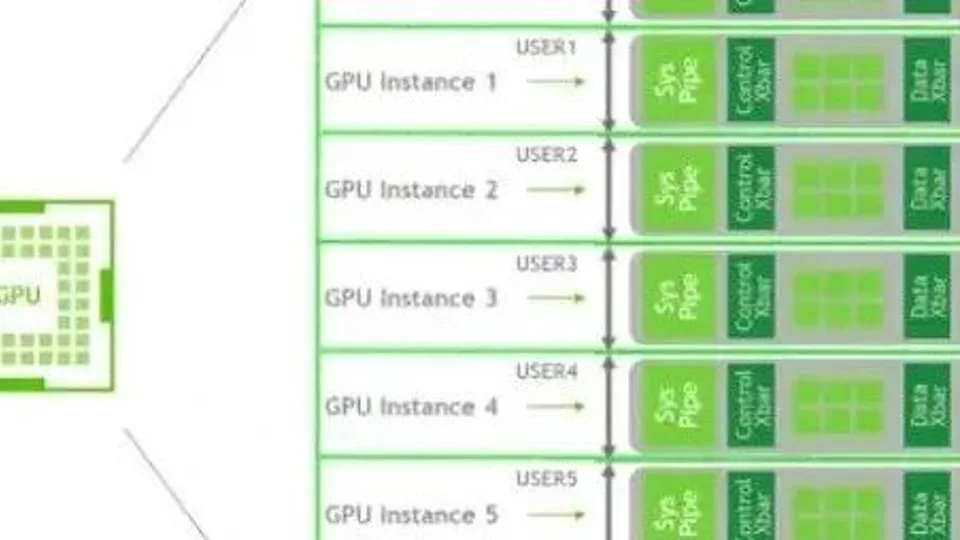
This comprehensive guide covers NVIDIA MIG (Multi-Instance GPU) on A100/H100, detailing hardware-level GPU partitioning, instance creation and binding, Kubernetes/Docker integration, isolation verification, monitoring, and rollback procedures for production multi-tenant model serving.
This guide explains why a GPU‑enabled node may show devices with nvidia‑smi yet keep Pods pending, walks through the complete node‑to‑container GPU path, and provides step‑by‑step procedures for device discovery, Device Plugin configuration, isolation models (full‑card, time‑slicing, MIG), scheduling constraints, quota management, multi‑GPU training, troubleshooting pending Pods, and monitoring with DCGM metrics.
This article provides a step‑by‑step, Linux‑focused workflow for recording driver and GPU versions, interpreting utilization versus memory metrics, locating memory‑consuming processes, handling container and Kubernetes mappings, checking temperature, power, ECC, MIG, driver health, OOM conditions, and setting up reliable monitoring and alert thresholds for data‑center GPUs.
This guide walks through the complete GPU resource path from node to container, explains how Kubernetes discovers and registers GPUs via the NVIDIA Device Plugin, and provides step‑by‑step procedures for environment inventory, pod specifications, scheduling constraints, isolation models, quota management, monitoring, troubleshooting, and safe upgrades.
Even when GPU nodes show up with nvidia‑smi, Pods can stay pending, see all devices, or suffer memory spikes; this guide walks through the full GPU resource chain in Kubernetes, from PCIe detection and driver loading to Device Plugin registration, node labeling, affinity, taints, isolation levels, MIG, time‑slicing, quotas, monitoring, and safe upgrade procedures.
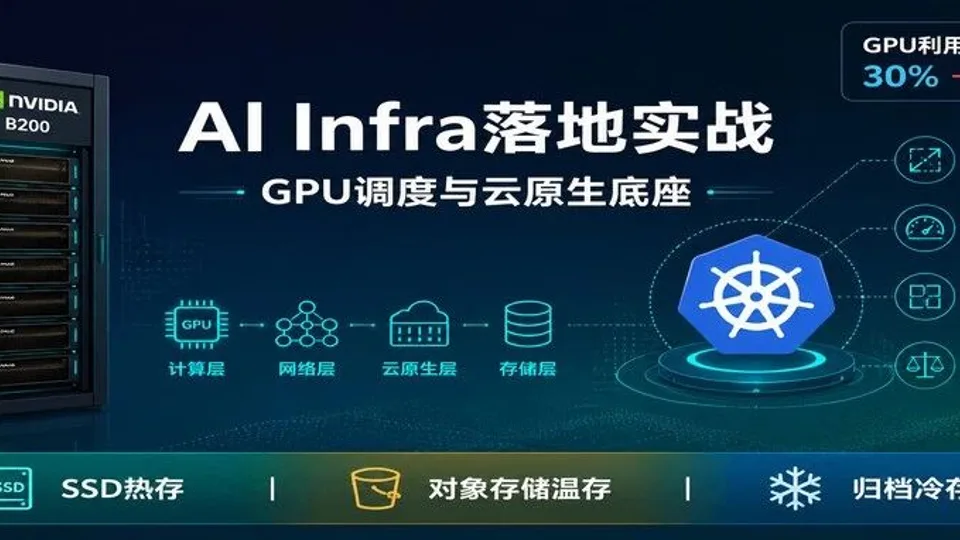
The article presents a detailed, step‑by‑step analysis of the L0 resource layer that underpins AI infrastructure, covering GPU scheduling, multi‑tier storage, low‑latency networking, core architectural components, key technologies such as MIG, Volcano, Kueue and RDMA, practical implementation patterns, quantitative acceptance criteria, and common pitfalls with best‑practice mitigations.
This article details 360 Cloud Platform's practical implementation of GPU passthrough and Docker‑MIG solutions, covering the underlying principles, host and OpenStack configuration steps, verification methods, and future directions for full GPU virtualization.
This article explains Nvidia's Multi‑Instance GPU (MIG) technology, compares it with vGPU, walks through enabling and partitioning MIG on A100 cards using nvidia‑smi commands, and shows how to expose MIG resources in Kubernetes with single and mixed strategies.
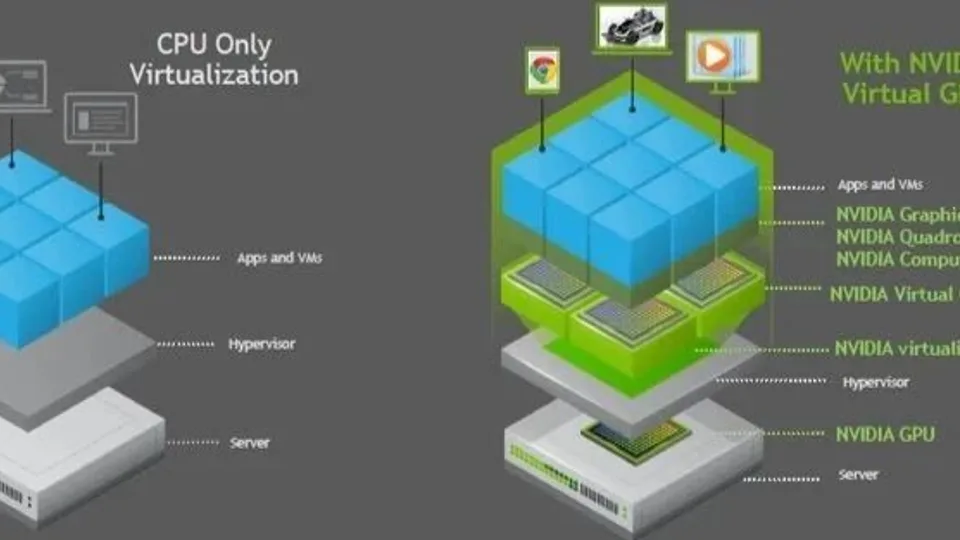
This article explains why GPU virtualization is needed, compares resource‑sharing and isolation approaches, and details user‑level API interception, remote API forwarding, half‑virtualization with virtio, kernel‑level driver interception, and hardware‑level solutions such as vGPU, MIG, and AMD MxGPU.
This article explains how to combine Nvidia GPUs with Kubernetes, covering CUDA toolkits, device plugins, GPU virtualization techniques such as Time‑Slicing, MPS and MIG, and advanced scheduling options like Volcano, while also outlining practical deployment steps and performance considerations.