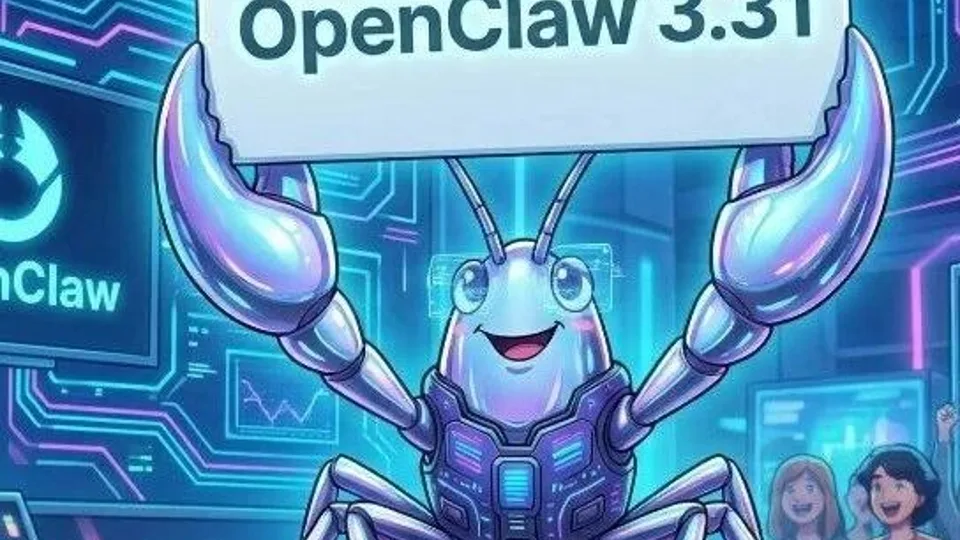
The OpenClaw 2026.3.31 release introduces a native QQ Bot with multi‑account support, visual backend task flow management, enhanced multimodal messaging on LINE, and CJK language optimizations, marking a shift from a simple AI chatbot to an integrated AI entry point for Chinese users.
This guide walks you through deploying the Qwen3-4B-hygon-flagos model on the open‑source FlagOS stack, pulling the Docker image from Tencent Cloud HAI, configuring OpenClaw, and connecting the model to a QQ bot, while highlighting performance trends and practical considerations.
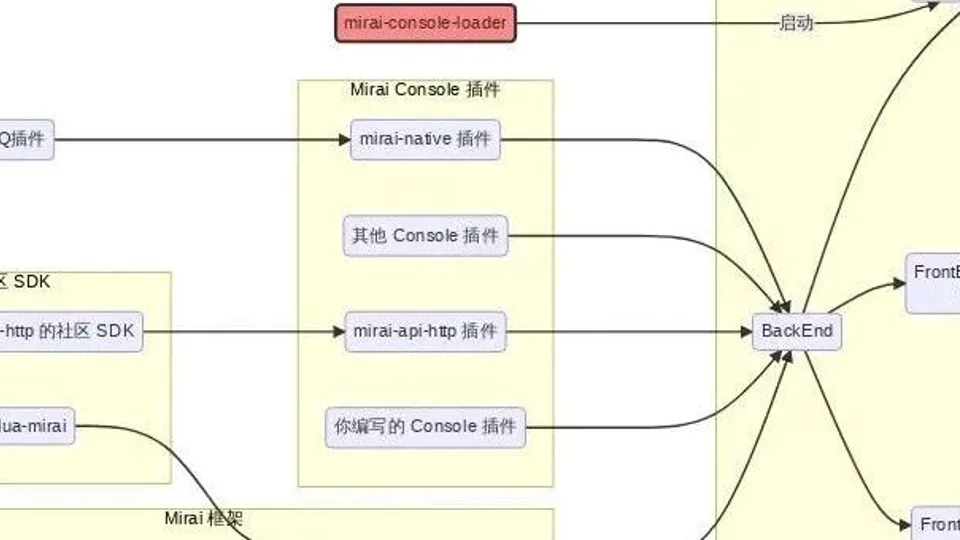
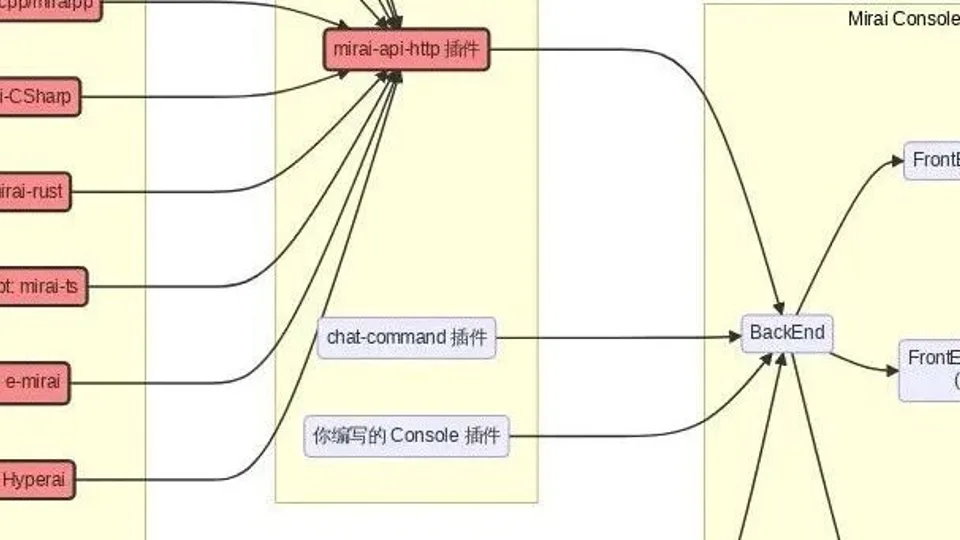
This tutorial walks you through the complete process of configuring the Mirai ecosystem, installing mirai-console-loader, handling login verification with Selenium, setting up mirai-api-http, configuring OpenJDK, and finally writing and running a Python bot using graia-application-mirai, providing detailed screenshots and code snippets.
This tutorial walks you through setting up the Mirai ecosystem, using mirai-console-loader, handling slider verification with mirai-login-solver-selenium, configuring mirai-api-http, installing OpenJDK, and finally developing a QQ bot in Python with graia-application-mirai, complete with code examples and troubleshooting tips.
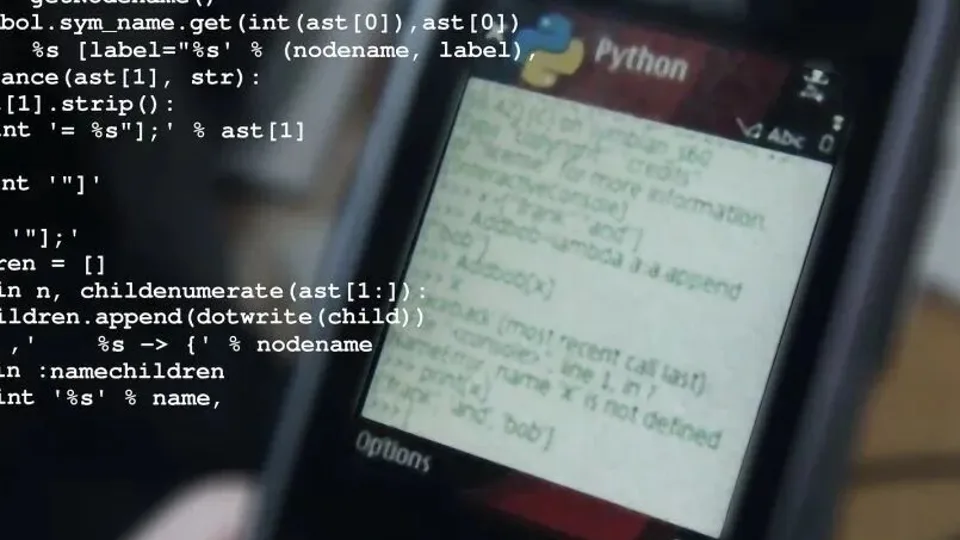
This tutorial walks you through installing and configuring mirai-console-loader, solving captcha with mirai-login-solver-selenium, adding mirai-api-http for language extensibility, switching to OpenJDK, and finally writing a simple Python bot with graia-application-mirai that replies "Hello, World!" to friend messages.
This tutorial walks you through installing Java and Python, configuring the Mirai ecosystem, using mirai‑console‑loader, solving the login captcha with mirai‑login‑solver‑selenium, setting up mirai‑api‑http, and finally writing a Python bot with graia‑application‑mirai, complete with code examples and screenshots.