This tutorial explains the four fundamental components of a time series—trend, seasonality, cyclicality, and random noise—covers additive and multiplicative decomposition models, provides step‑by‑step Python code with visualizations, and shows how removing these components improves stationarity for forecasting.
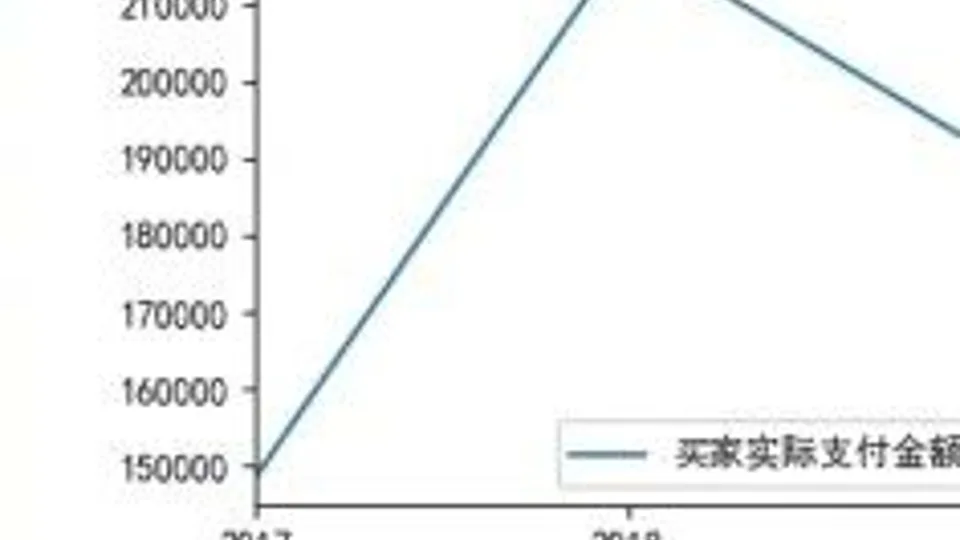
This article explains the concept of time series, describes its main patterns such as long‑term trend, seasonal, cyclical and random variations, and demonstrates a practical Python analysis of a three‑year sales dataset from a Taobao shop using pandas and matplotlib.
A community-driven investigation reveals that GPT‑4’s output length drops in December, with statistical tests showing a significant reduction, sparking debates about seasonal effects, model prompts, temperature settings, and the need for further reproducible experiments.
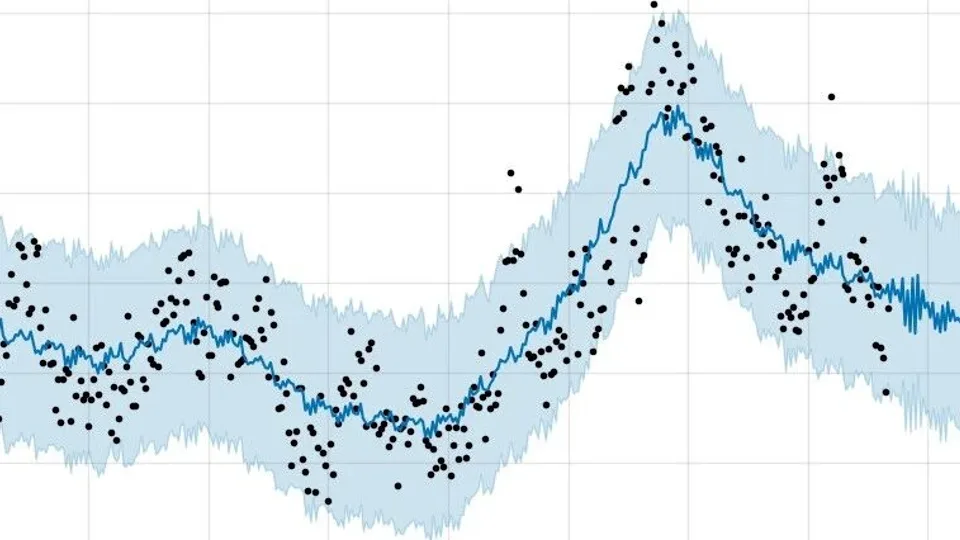
This article explains Prophet’s algorithmic approach to time‑series forecasting, covering decomposition into trend, seasonality, holidays and error components, logistic and piecewise linear trend models, automatic change‑point detection, Fourier‑based seasonality, holiday handling, model fitting with PyStan, and practical Python code examples.
Using a dataset of over 9 million baby records and 30 000 transaction entries, this analysis explores market trends, seasonal sales patterns, product popularity, and user demographics in China’s mother‑baby e‑commerce sector, revealing the impact of holidays, promotional events, and low repeat‑purchase rates on overall performance.