AgentiLoop Agent is a native Swift macOS application that enables AI models to control the entire system — editing code, running Xcode builds, operating any app via accessibility APIs, executing shell commands, and sending iMessage reports — while enforcing safety through goal-state verification, read-before-edit enforcement, snapshots with rollback, dangerous command blocking, and 273 automated tests.
The article analyzes the gap between conversational AI and system‑level agents, details Marvis' three‑layer technical foundation, compares its efficiency and privacy modes, walks through four real‑world usage scenarios with exact commands and results, and positions Marvis against competing AI assistants.
The author demonstrates how OpenAI Codex can serve as a full‑featured computer manager on macOS, automating cache cleaning, software uninstall, startup service control, large‑file detection, browser data cleanup, material organization, and daily inspections through tailored prompts and screenshots.
This article presents ten advanced Bash scripts that automate common system administration tasks such as directory backup, resource monitoring, automatic updates, database dumping, FTP uploads, log keyword alerts, report generation, service health checks, temporary file cleanup, and network connectivity monitoring, each with customizable variables.
This article presents ten advanced Bash shell scripts that automate common system administration tasks such as directory backup, resource monitoring, automatic updates, database dumping, FTP uploads, log keyword alerts, report generation, service recovery, temporary file cleanup, and network status checking, each ready for customization.
This article presents twenty practical Bash functions covering file checks, directory handling, date calculations, colored output, service management, and more, providing ready-to-use snippets that streamline common shell scripting tasks for system administrators and developers.
Baidu’s search content platform transitioned to a serverless, FaaS‑based architecture with intelligent scheduling and automated control, cutting resource waste by 87%, boosting automatic recovery to 96.7%, and delivering roughly tenfold productivity gains across development, deployment, and maintenance while simplifying scalability and high‑availability concerns.
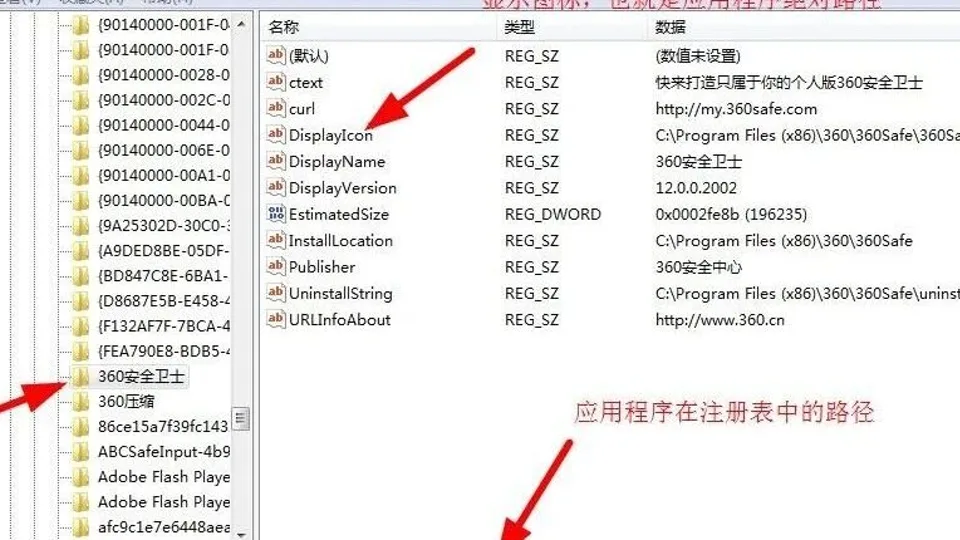
This article explains how to use Python's built‑in winreg module to explore, read, write, create, delete, and manage Windows Registry keys and values, including remote connections, access rights, data types, and a practical example with 360 Security Guard.
This article explores the advantages of Windows batch scripting for automation, detailing basic commands, practical use cases such as file organization, build folder cleanup, scheduled Python tasks, Git operations, and system junk removal, while comparing its simplicity and efficiency to Python scripts.