

1Password Breach: Employee GitHub Compromise Leaks Source Code, Customer Metadata
An attacker compromised a 1Password employee's GitHub account, stealing private source code and deploying malicious code to access customer metadata, though vault contents remained encrypted; the breach also exposed CI/CD credentials and email tokens, prompting credential rotation and stronger verification codes.
Reading font
Overview
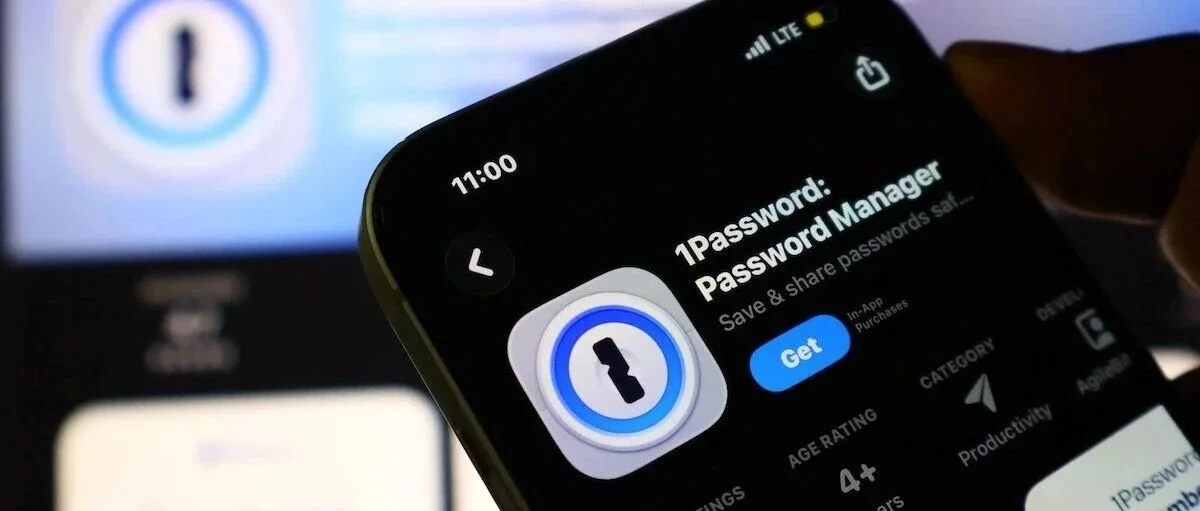
1Password, a zero-knowledge, end-to-end encrypted password manager by Canadian company AgileBits, disclosed a security incident where an attacker gained access to an employee's corporate GitHub account, exfiltrated private source code, and deployed malicious code to backend services to harvest customer information.
Incident Timeline and Scope
Investigation began on November 19. The company has not disclosed the number of affected customers but confirmed the stolen data includes names, email addresses used for login, account identifiers, timestamps of account creation and last access, and various non-secret account metadata. 1Password asserts that the protected vault contents — passwords, secrets, and other sensitive data — were never accessed or obtained by the attacker.
Compromised Data Details
Customer metadata: Names, email addresses, account identifiers, creation and last-access timestamps.
No vault content: The zero-knowledge architecture ensured encrypted vault data remained inaccessible.
CI/CD Infrastructure Access and Email Tokens
The attacker also gained access to 1Password's continuous integration and continuous delivery (CI/CD) infrastructure, which stores credentials used to keep the product running. The company states it has rotated or revoked all potentially compromised credentials and confirms that its applications and browser extensions were not affected.
Additionally, tokens embedded in some customer invitation, account-configuration, and account-recovery emails were obtained. 1Password clarifies that these tokens alone are insufficient for account access; the user must still authenticate via single sign-on or enter a verification code sent to their registered email.
Remediation Actions
Removed the attacker from the GitHub environment.
Revoked all stolen tokens.
Rolled back affected backend services to clean code versions.
Strengthened security controls on development infrastructure and employee devices.
Engaged external security experts to review the remediation.
Upgraded verification codes from six-digit numeric to ten-character alphanumeric to increase brute-force resistance.
Comparison to LastPass 2022 Breach
The incident draws parallels to the first phase of the 2022 LastPass breach, where attackers infiltrated the development environment and stole source code. That initial compromise later enabled a second attack resulting in the leak of customer vault backups, including encrypted passwords. In December 2023, the UK Information Commissioner's Office (ICO) fined LastPass £1.2 million (approx. $1.6 million) for failing to meet the higher security standards expected of a password custodian, affecting up to 1.6 million UK users.
User Impact and Guidance
1Password has not requested users to change their account passwords or Secret Keys (which the company does not store). It warns users to be vigilant against phishing, noting that a list of email addresses known to use a specific password manager provides a plausible pretext for targeted phishing campaigns. The company has directly notified a small number of affected users and is assisting with account recovery; no internal evidence suggests the leaked configuration tokens have been used to hijack accounts.
For questions about attribution, corrections or content rights, please contactand we will review it promptly.