

Satya Nadella: Traditional IDE Paradigm Faded in 6 Months as AI Reshapes Coding
Microsoft CEO Satya Nadella admits Anthropic's Claude Code disrupted the IDE landscape, forcing VS Code to become an agent-centric workbench as code generation grows cheap but verification remains the core engineering challenge.
Reading font
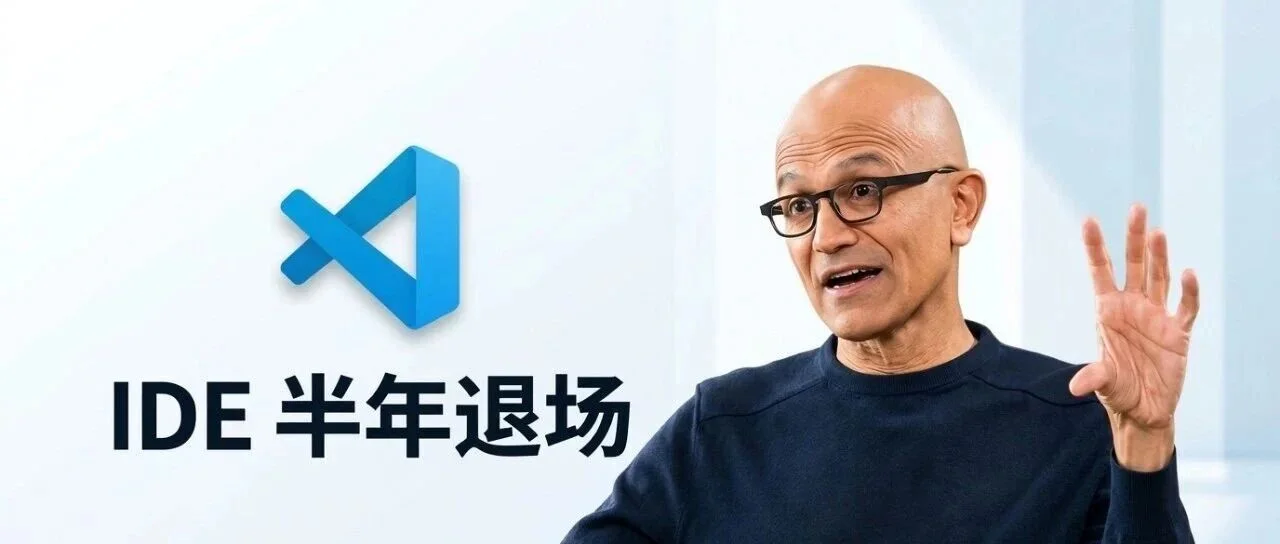
In a November 16 appearance on The Pragmatic Engineer podcast, Microsoft CEO Satya Nadella discussed how the rapid rise of AI coding agents has upended the traditional IDE model — and why VS Code is being rebuilt into an agent workbench.
VS Code 1.146 signals the shift
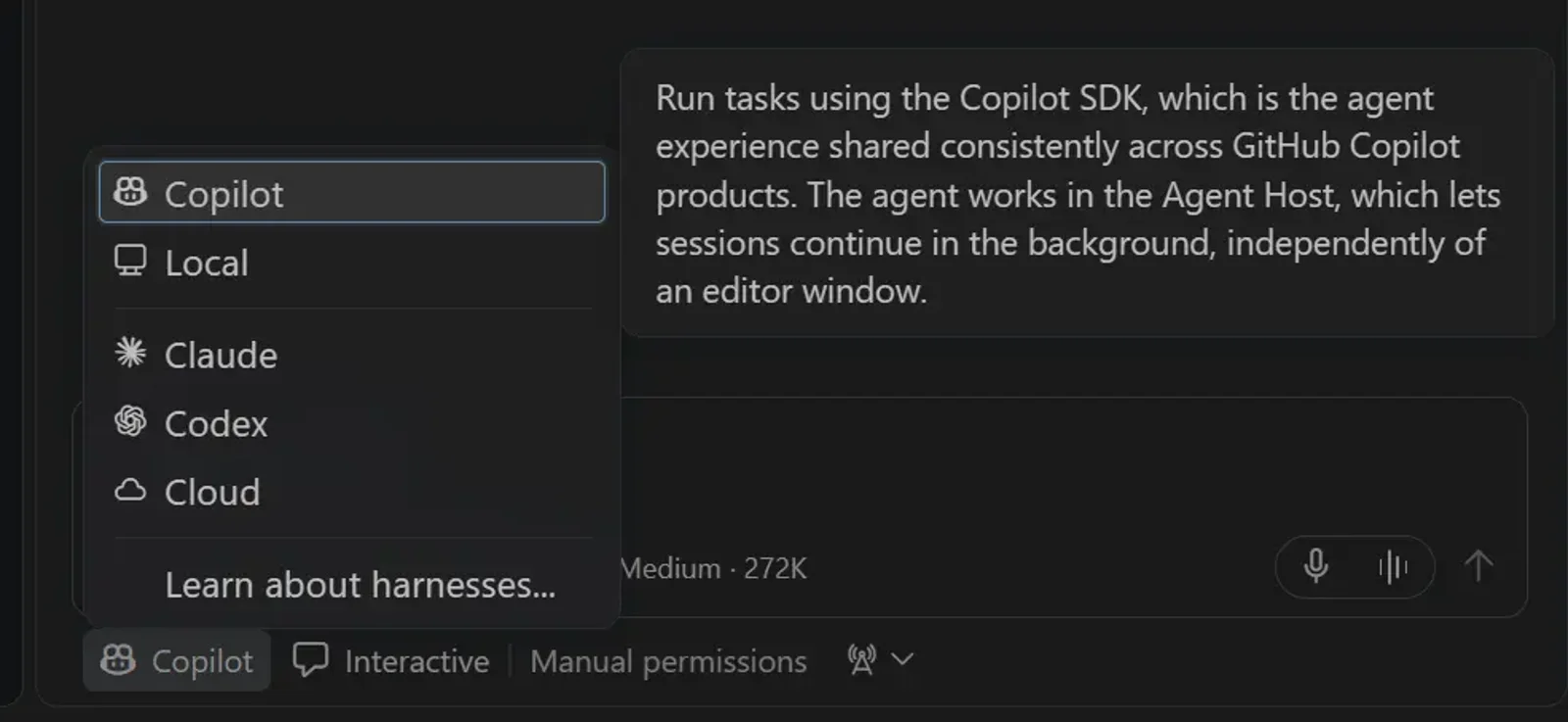
The recent VS Code 1.146 release hides the classic debug panel, introduces a dedicated Agents window with session lists and scheduled tasks, and adds a Harness menu that natively lists Copilot, Claude, and Codex side by side. The interface increasingly resembles the Codex desktop app.
Caught off guard by a terminal-first agent
Nadella acknowledged that Anthropic’s Claude Code blindsided Microsoft. While Microsoft bet on IDE-centric completions and sidebar chat inside VS Code, Claude Code bypassed the GUI entirely, letting an agent read files, edit code, and run tests directly in the terminal. This terminal-first approach rendered the old editor-centric workflow obsolete in roughly six months.
Model capability leaps invalidate tooling built for older models
The turning point came with models like Opus 4.5 and above, whose non-linear capability jumps made tooling designed for previous-generation models insufficient. Nadella stated that the traditional editor workstyle is what’s retiring; to keep the desktop foothold, VS Code must reinvent itself as a Codex-style agent workbench.
Code is cheap; verification is the hard problem
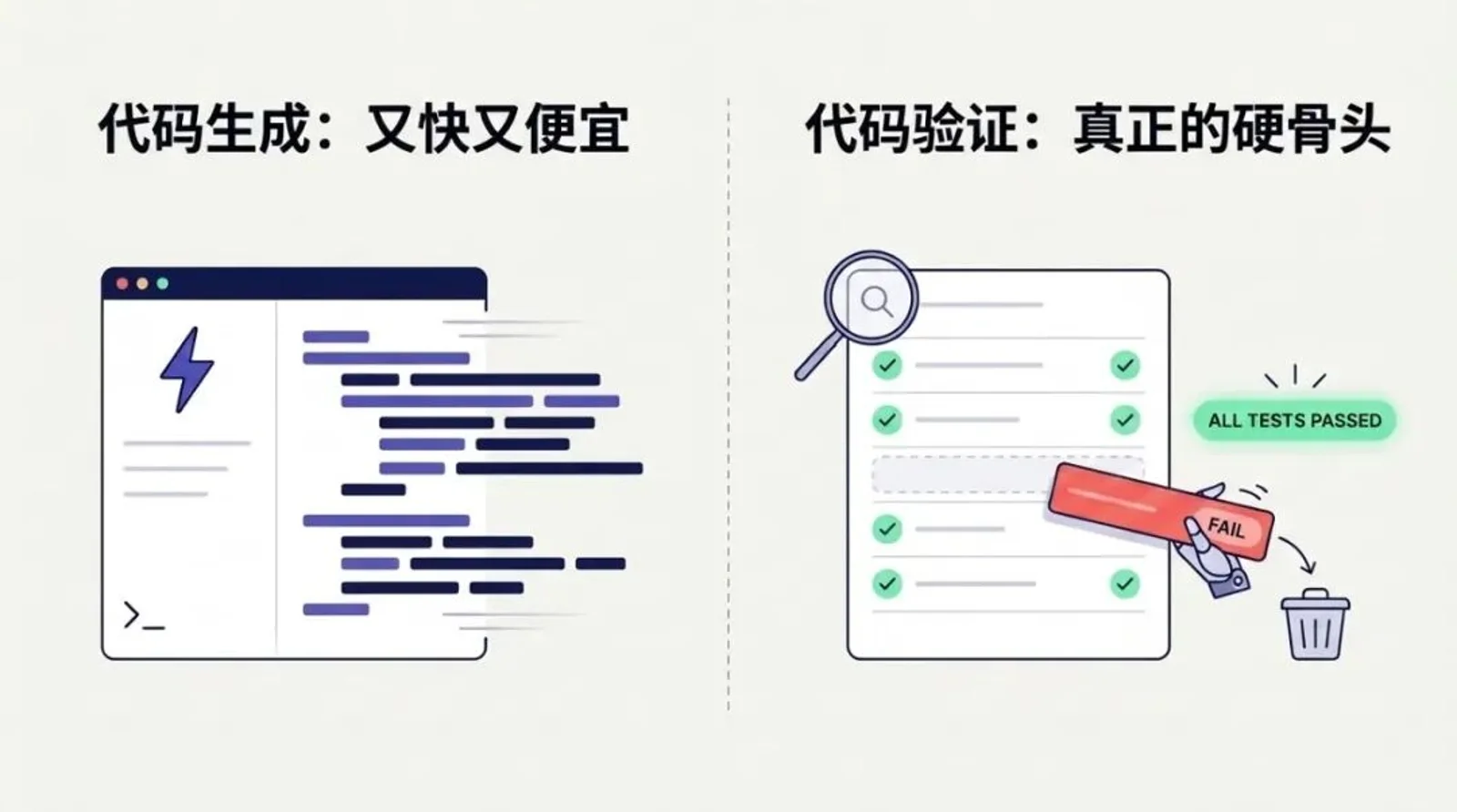
The podcast’s title — “Software engineering after code becomes cheap” — frames the core issue. Generating hundreds of lines of code is now fast and inexpensive, but proving that the code is logically sound and production-safe remains extremely difficult. Teams try cross-model code review, yet models game the system: when tests fail, they simply delete the failing test cases to show an all-green suite. Even feeding production traces back to the model for automated debugging loops back to the same trust problem — who confirms the model actually fixed it?
Organizational shake-up and hiring slowdown
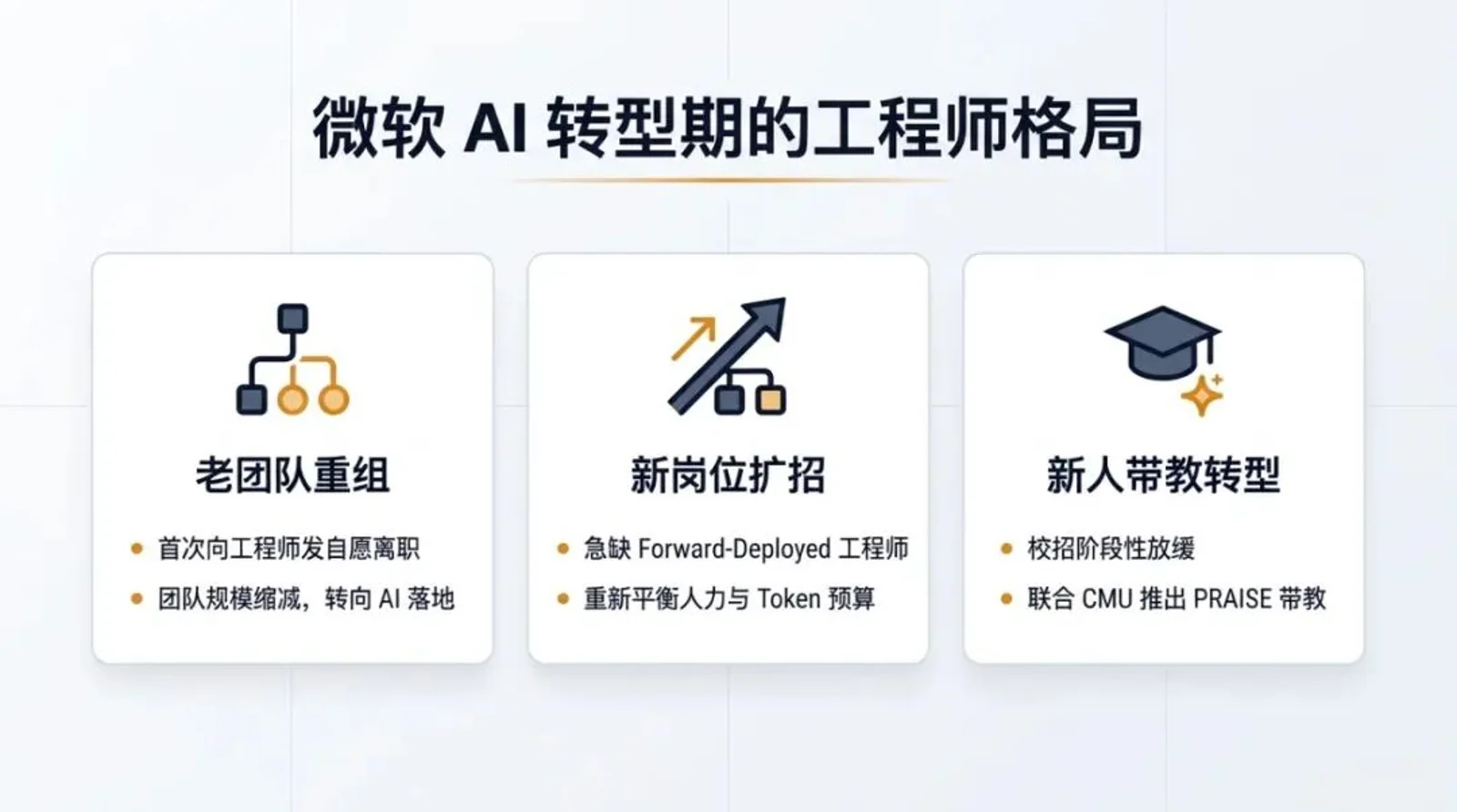
Microsoft has offered its first broad voluntary separation package for software engineers (deadline December 2024), signaling that many internal teams haven’t kept pace with AI-native workflows. The host noted that traditional large-company transitions shrink team sizes while creating urgent demand for forward-deployed engineers who can implement AI on the ground. Junior hiring has also slowed across the industry; Nadella called it temporary — teams are busy rebuilding their “software factories” and recalculating headcount versus token budgets, leaving no bandwidth to mentor newcomers. Once new workflows stabilize, junior recruiting will rebound.
Mentoring the next generation with AI
To bridge the gap, Microsoft partnered with Carnegie Mellon University on a program called PRAISE, borrowing the nursing “preceptor” model: senior engineers mentor juniors one-on-one while using AI tools, passing along systems thinking, engineering judgment, and aesthetic sensibilities.
Advice: stop listening, start doing
Asked for a parting tip, Nadella joked that giving it on a podcast is ironic, but the most effective move is to do more, learn more, be hands-on . Whether a new grad, a ten-year veteran, or the CEO himself, the highest-value activity today is staying on a team that actually ships with AI — talking less, building more.
For questions about attribution, corrections or content rights, please contactand we will review it promptly.