

Why Developers Resist AI Hype, Not AI Coding Tools
Programmers welcome AI coding tools for productivity but resist media hype claiming AI replaces developers, which fuels unrealistic employer expectations, devalues engineering skills, and creates a toxic hype cycle driven by non-technical influencers and inexperienced developers seeking validation.
Reading font
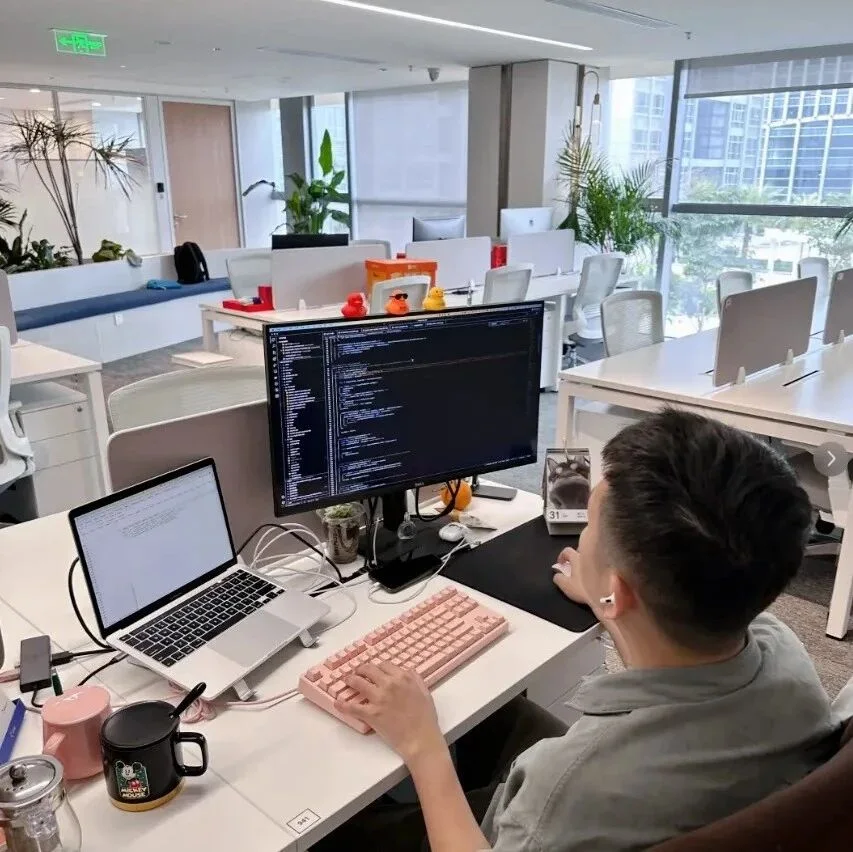
The author strongly agrees with DBinary: programmers do not dislike AI code tools; in fact, as lifelong learners they welcome tools that handle boring code and protect their hair. The resistance is aimed at the toxic atmosphere created by media hype.
By the way: the author and a few veterans were among the earliest Copilot users, back when access was granted based on GitHub repository contributions, not because they had nothing better to do. Watching newcomers compare new models and IDEs like Pokémon feels laughable.
The core argument: most people lack the knowledge base for independent thinking about technology. The general public believes whatever high-tech narrative satisfies their emotional needs. Media outlets constantly claim AI code can replace programmers, and a crowd of unemployed young people desperate for social validation buy into it. They turn their craving for recognition into AI cheerleading, reinforcing the false public perception that AI replaces developers.
The author illustrates with a concrete example: a novice who hasn't mastered data structures builds a half-baked project with AI, showcases it in the media, and expects admiration. In the eyes of experienced engineers, this is no different from "open-source merchants" stitching together Tailwind, React, Supabase, and Vercel — it inspires fear and disgust. Internal promotions and resources still go to those who diligently master fundamentals.
Non-technical bosses absorb these narratives and start believing they can hire a programmer for 5,000 RMB/month instead of 10,000 RMB. To date, no market-recognized software or platform has been built entirely by non-programmers using AI.
Technical bosses, having written code themselves, understand AI's real utility is far less exaggerated than clickbait headlines suggest; this hype barely affects their hiring. The author recounts interactions with IC-industry bosses: non-technical ones demand full AI replacement of a process and walk away when told it's impossible; technical ones (e.g., 15 years of C++ and Verilog experience) ask if AI can optimize a specific step to achieve a 15% time reduction — a conversation that feels productive and invites collaboration.
In short, veteran developers do not reject an excellent efficiency-boosting tool; they worry about the public-opinion fallout distorting the industry.
For questions about attribution, corrections or content rights, please contactand we will review it promptly.