A comprehensive 14k-word technical deep-dive into MyBatis covering its semi-automatic ORM design, four core components (Executor, StatementHandler, ParameterHandler, ResultSetHandler), dynamic SQL parsing via SqlNode trees, two-level caching, plugin mechanism, Spring integration, and source-code-level analysis of 11 key classes with practical best practices and common pitfalls.
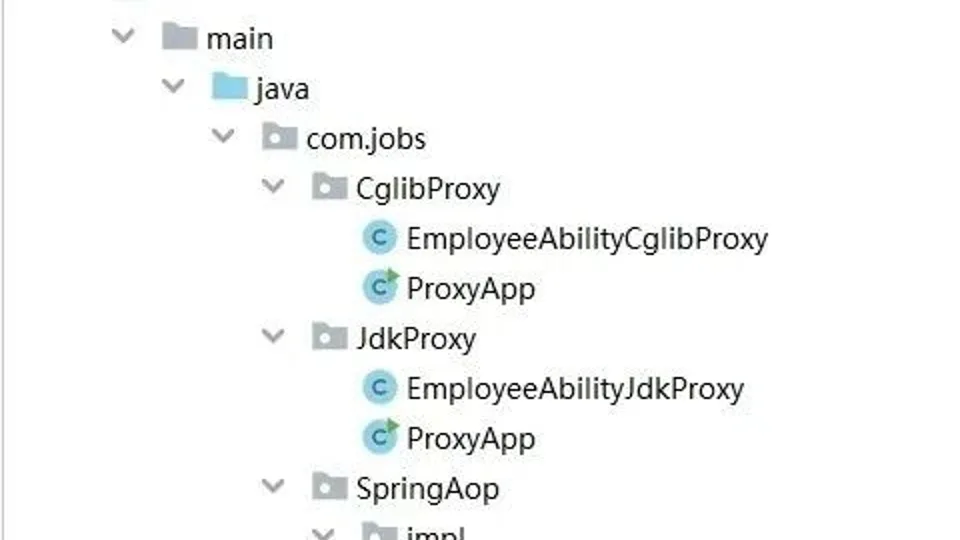
This tutorial demonstrates static proxy (decorator pattern), JDK dynamic proxy (interface-based), CGLIB dynamic proxy (subclassing), and Spring AOP's dual-proxy implementation with @EnableAspectJAutoProxy, using an EmployeeService example that adds C# and Go skills without modifying original code.
This article explores Netty 4.2's major changes including the new adaptive memory allocator, composable MultiThreadIoEventLoopGroup with IoHandlerFactory, official io_uring transport support, ManualIoEventLoop for custom event-loop driving, QUIC/HTTP/3 graduation, and default client TLS hostname verification.
This guide covers Nginx rate limiting via ngx_http_limit_req_module (leaky bucket algorithm), connection limiting with ngx_http_limit_conn_module, and bandwidth throttling using limit_rate, limit_rate_after, and proxy_limit_rate, including burst handling, nodelay, whitelists, and dynamic rate control via map variables.
This postmortem reveals how AI-generated Redis caching and rate limiting code for a real estate query API passed unit tests but collapsed under 200 concurrent requests, exposing critical flaws in Bloom filter synchronization, mutex lock recursion, random expiration logic, and non-atomic rate limiting — with fixes using Redisson, Lua scripts, and async hot-key refresh.
Tony Bai analyzes three months of activity on Go's 171 accepted-but-unimplemented proposals, finding 31% updated recently but cautioning that issue updates ≠ implementation; he introduces a four-level progress framework and examines three cases: composite literal type inference slated for Go 1.28, h2c package deprecation completed in six months, and execabs migration with only CL activity so far.
This article demonstrates four Spring Boot patterns to replace inefficient polling with real-time server push: STOMP over WebSocket for bidirectional updates, user-specific private channels, SSE with WebFlux for unidirectional streams, and Debezium CDC for database-level change capture — each with working code and configuration details.
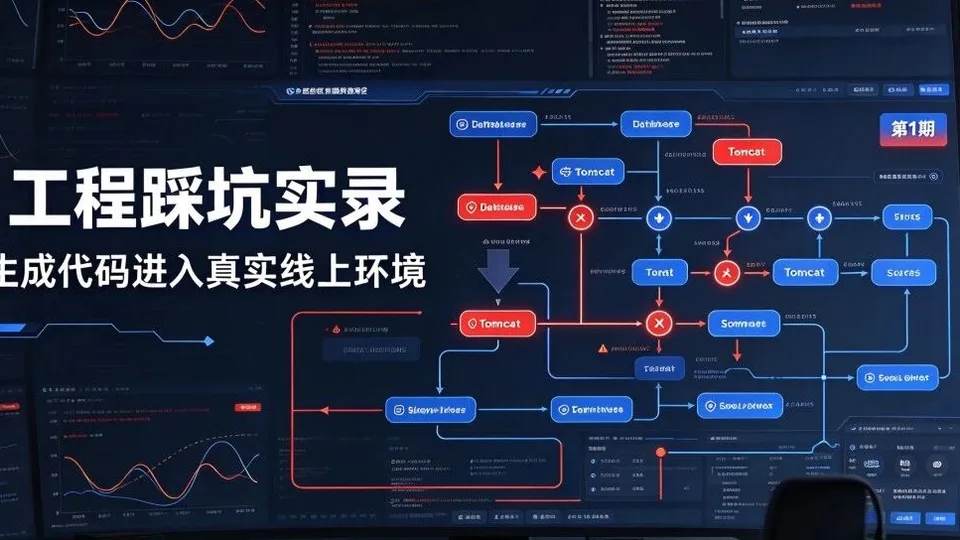
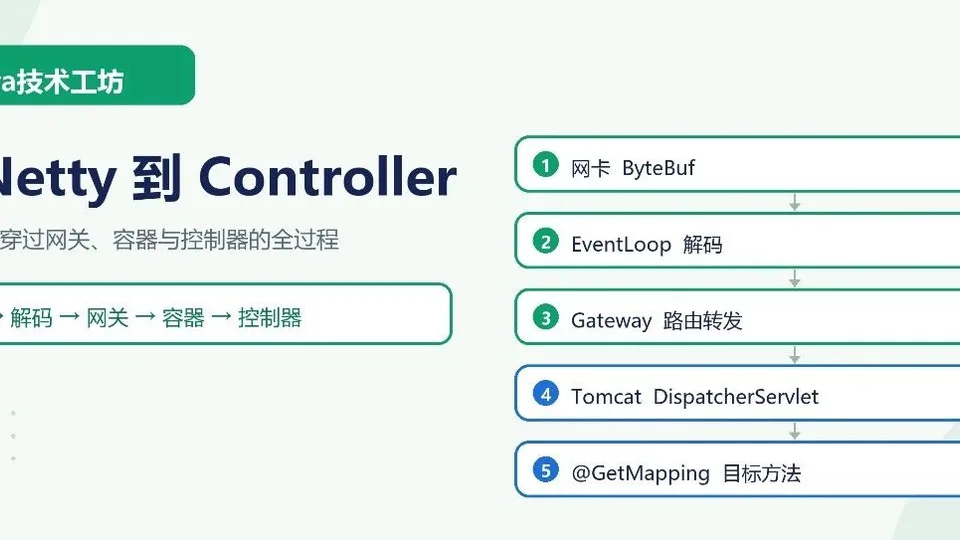
This article traces an HTTP request through Spring Boot's Servlet and reactive stacks, explaining how SpringApplication chooses between Tomcat and Netty, detailing Netty's event-loop decoding, Spring Cloud Gateway's routing and filtering, Tomcat's request processing to DispatcherServlet, and four common gateway-downstream issues including timeout alignment, header forwarding, thread-model mismatch, and unsafe retries.
The article details the first week of the Aegis project, demonstrating why a naive while-loop agent loop fails in production and how to replace it with deterministic contracts, a finite state machine, bounded execution budgets, server-side tool authorization, and reproducible failure testing using local mocks.
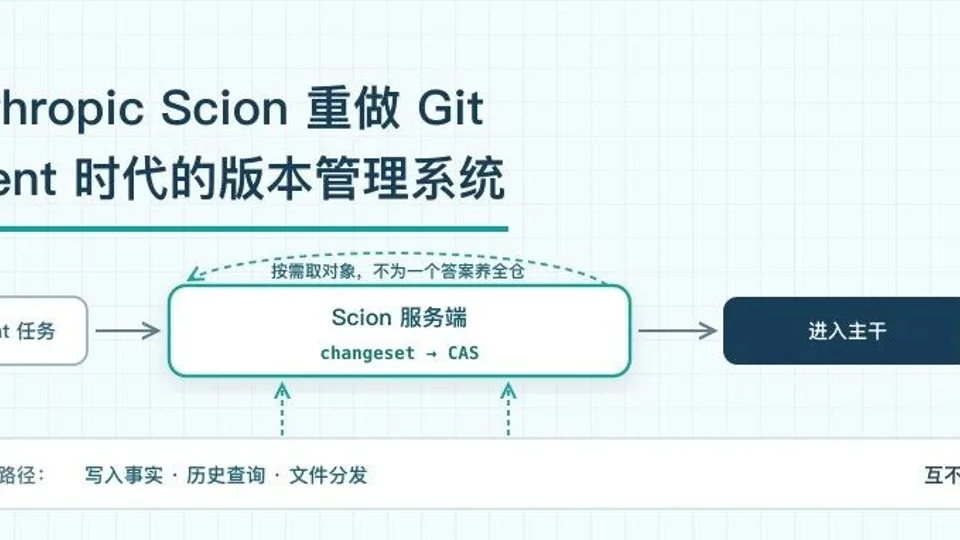
Anthropic's Scion rearchitects version control for AI agent workloads by moving source facts to the server, turning history queries into derived data services, and letting short-lived agents fetch only needed objects on demand — replacing Git's local-repository assumptions with a server-authoritative, on-demand model that cut CI checkout from minutes to seconds and reduced infrastructure CPU/memory to 1/200 of the prior Git mirror fleet.
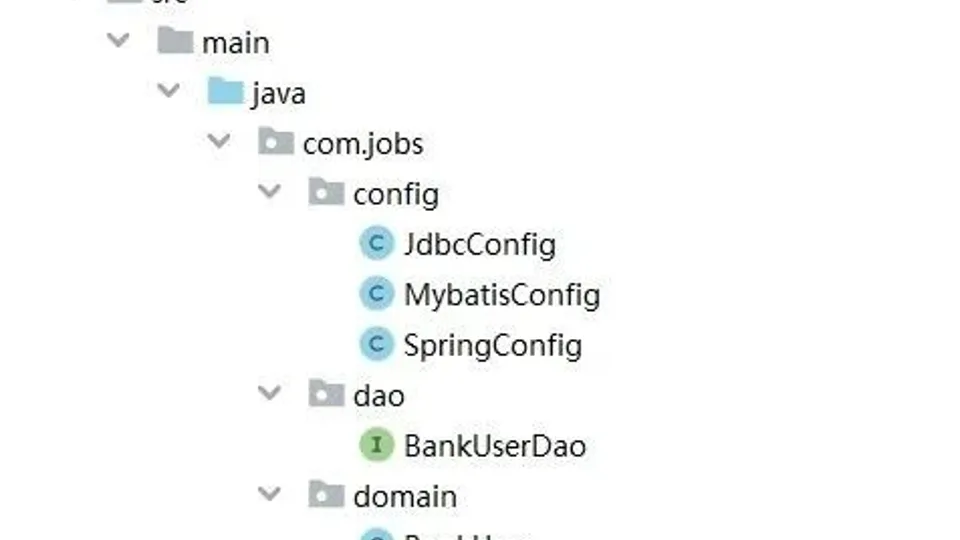
This tutorial demonstrates how to implement Spring declarative transaction management using only annotations, covering project setup, configuration classes, MyBatis integration, service layer @Transactional usage, and JUnit tests verifying commit and rollback behavior.
This article explains how to correlate multiple distributed traces for a single long-running agent task by distinguishing task, session, execution, action, attempt, and trace identifiers, propagating context across queues and pauses, instrumenting at the right layers, and handling missing trace segments without losing business continuity.
Arthas 4 introduces an experimental MCP Server module that wraps its 29 diagnostic commands as AI-callable tools via JSON-RPC 2.0 over StreamableHTTP, enabling AI-assisted JVM troubleshooting (e.g., CPU 98% analysis) while preserving bytecode instrumentation; configuration, tool categories, security caveats, and a real-world debugging walkthrough are detailed.
Dewu Technology shares a production system that uses LLMs for asset acceptance verification across dozens of expense types with frequently changing rules, replacing hard-coded logic with a configurable rule engine, deterministic workflow orchestration, multi-model voting, and a closed-loop quality system with backtesting gates and human feedback.
This comic-style guide follows an HTTP request's complete journey through DNS resolution, TCP/TLS handshakes, Socket connections, Nginx reverse proxy, gRPC service calls, Redis caching, MySQL queries, and connection pools, revealing how each layer contributes to latency and why observability matters.
This tutorial demonstrates how to use JXLS 2.11.0 for complex Excel exports in Java, covering Maven setup, template creation with xlsx format, and key expressions like jx:area, jx:each, jx:mergeCells, and dynamic columns with code examples.
Anthropic developed Scion, a custom version control system, to handle a monorepo growing 12x in four months to 30,000 daily merges, using 7 engineers and AI assistance to achieve 200x resource reduction and 100x faster checkouts compared to Git mirror infrastructure.
This tutorial demonstrates building a complete registration and login platform using WorkBuddy AI without writing code, covering UI prototyping, validation rules, SHA256 password hashing, CSRF protection, and both GUI (Playwright POM) and API (requests+unittest) test suites with all 157 tests passing.
This article compares Java's synchronized keyword with the Lock interface (ReentrantLock), demonstrating how Lock provides finer-grained control through timeout acquisition (tryLock), interruptible locking (lockInterruptibly), fair/non-fair policies, and manual unlock in finally blocks, with code examples for each scenario.