This article introduces Douyin Group’s Data Asset Management Platform, explaining how its focus on data assets rather than raw metadata enables a comprehensive, real‑time big‑data lineage system that supports search, AI‑driven discovery, and diverse application scenarios across the organization.
The article examines Kuaishou’s e‑commerce data metric system, detailing why a metric framework is essential, how it was built, the product practice, management methods, and the challenges faced by data product managers, engineers, and operators across production, querying, and usage stages.
The EMR AI Assistant is an intelligent tool from Alibaba Cloud that streamlines EMR cluster management by offering quick resource queries, operation invocation, anomaly diagnosis, and conversational support, with detailed usage steps, policy code, and practical examples for big‑data operations.
This article explores Kuaishou e‑commerce's journey in constructing a comprehensive data metric system, detailing its business context, the necessity of metrics, challenges faced by data product managers and engineers, practical implementation steps, management practices, and a concluding Q&A.
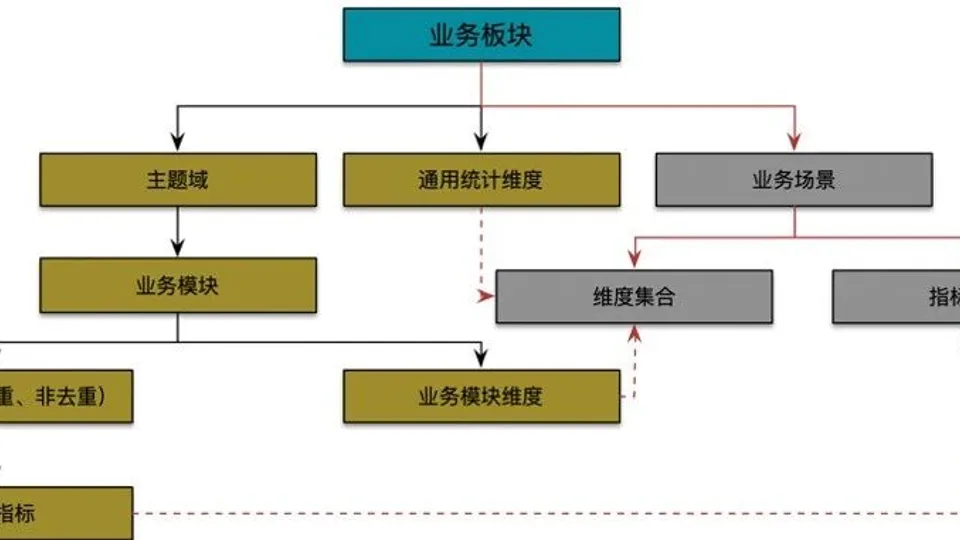
The article analyzes common pain points in data‑warehouse metric management from business, technical, and product perspectives, outlines unified goals, defines a comprehensive model—including data domains, dimensions, atomic, derived, and composite metrics—and presents a step‑by‑step process for designing, implementing, and governing a scalable metric system.
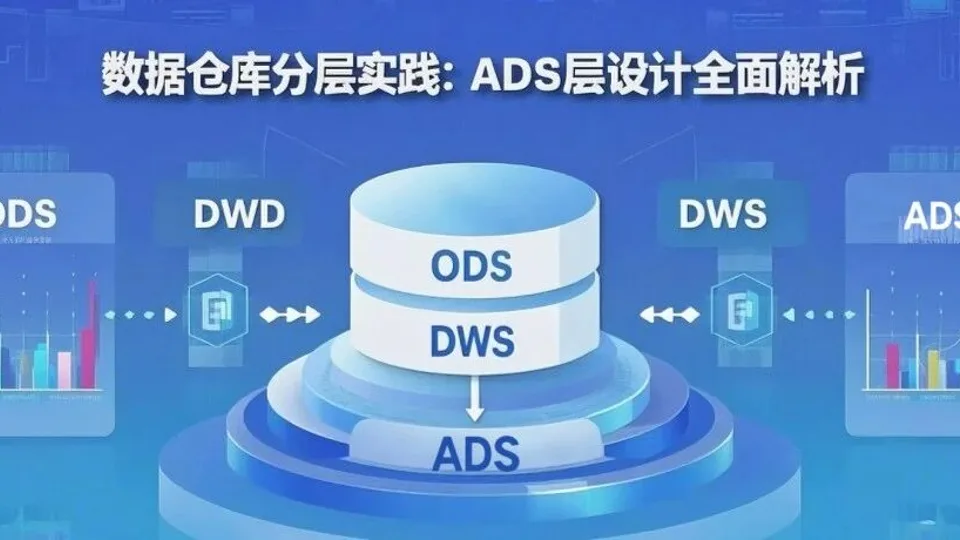
This article provides a comprehensive analysis of the ADS (Application Data Service) layer in a data‑warehouse architecture, covering its core positioning, design goals, modeling strategies, dimension‑optimization techniques, API services, typical challenges, and practical best‑practice recommendations for high‑performance, flexible, and secure data delivery.
This guide walks you through installing Kibana, configuring its connection to Elasticsearch, exploring data via Discover, creating visualizations and dashboards, and monitoring cluster health, while also covering advanced query syntax, time filters, and practical tips for effective data analysis and visualization.
Facing PB‑scale user behavior data and millions of feature dimensions, the platform transformed its search, advertising, and recommendation pipelines by adopting a distributed, configurable‑service architecture that delivers high‑throughput streaming, elastic storage, rapid feature iteration, and robust fault‑tolerance for AI‑driven personalization.
Huolala, founded in 2013, runs a massive cross‑cloud hybrid big‑data storage platform of over 40 PB across 3,000+ machines, evolving through four online‑storage phases, robust HA design, performance‑cost optimizations, AI vector storage, and a cost‑governance system that saved more than half of its storage expenses.
This article introduces Douyin Group’s Data Asset Management Platform, explains its shift from traditional metadata to comprehensive data assets, and details the evolution, architecture, and applications of its full‑linkage data lineage, highlighting why building accurate, real‑time lineage is critical for quality, security, and cost efficiency.
The article explores how Volcano Engine’s multimodal data lake architecture addresses the storage, compute, and management challenges of AI agents by introducing new formats like Lance, upgrading engines such as Spark and Daft, and providing unified tools for processing, versioning, and querying massive multimodal datasets.
This article introduces Douyin Group’s Data Asset Management Platform, explaining its shift from traditional metadata to a comprehensive data‑asset approach, detailing the platform’s capabilities, and focusing on the evolution and application of full‑link data lineage across four key topics to improve visibility, quality, security, and cost efficiency.
This article explains the fundamentals of network flow control, compares TCP‑based and credit‑based backpressure in Flink, walks through buffer pool interactions, and shows why dynamic backpressure cannot fully replace static rate limiting in real‑world streaming pipelines.
This article walks you through why unmanaged data warehouses fail, outlines three golden governance principles, details five practical implementation steps—from building a data lineage map to creating business‑driven quality dashboards—and shares real‑world case studies and common pitfalls to help turn your data warehouse into a trusted decision‑making engine.
Netflix processes over 5 PB of logs daily, handling millions of events per second, and by layering hot and cold storage, using a custom lexer for fingerprinting, native protocol serialization, and sharded tag maps, they reduced query latency from seconds to sub‑second levels with ClickHouse.
Huolala, a leading smart logistics platform serving over 14 markets and millions of users, detailed its massive Elasticsearch deployment—over 1.5 万 CPU cores, 40 billion records, 4 PB data—highlighting multi‑AZ design, serverless migration, and a comprehensive management platform that boosted performance, reduced costs, and enabled AI‑driven services.
This article examines Kuaishou's e‑commerce data metric system, explaining why such a framework is essential, how it was constructed, the practical product implementation, management practices, and lessons learned, while also addressing common data production, query, and usage challenges faced by product and engineering teams.
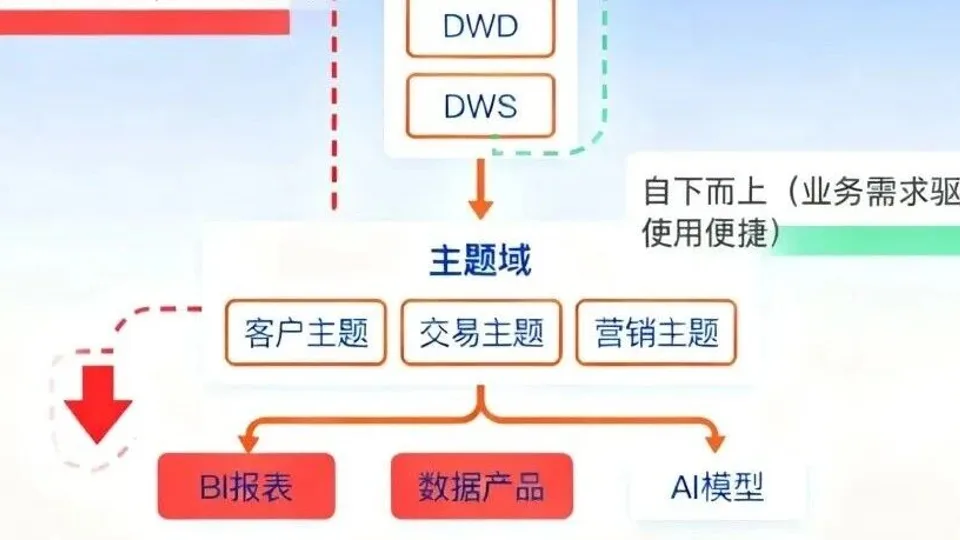
This article explains the distinct concepts of data domain and subject area, uses a library‑vs‑bookstore analogy, presents a real e‑commerce case, compares them in a concise table, and offers best‑practice steps and common pitfalls to help data teams design efficient data architectures.
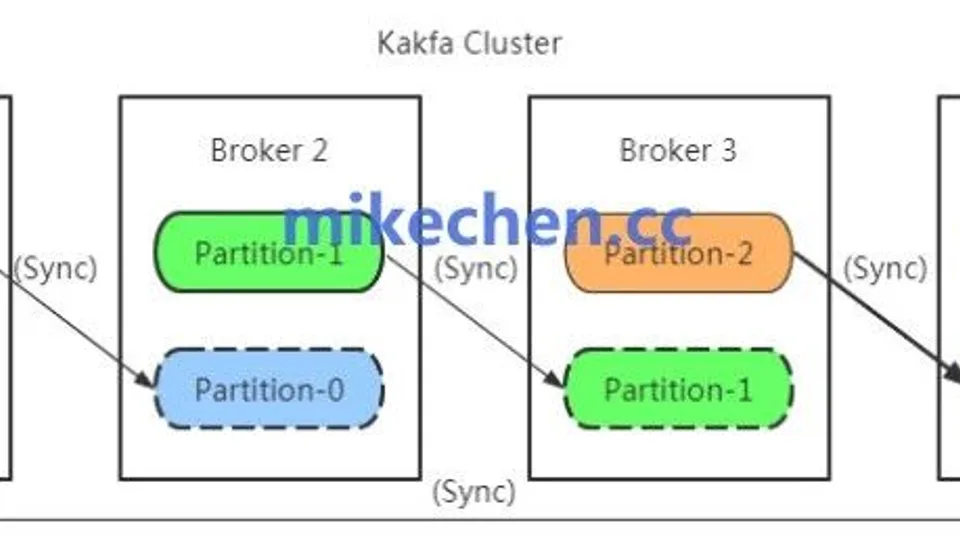
This guide explains how to boost Kafka consumer throughput by increasing concurrency, streamlining consumer logic, tuning key configuration parameters, applying practical settings, and scaling hardware or using buffering layers to handle peak loads efficiently.
This article explores Kuaishou E‑Commerce’s journey in constructing a comprehensive data metric system, detailing its business context, the necessity of metrics, challenges across data production, querying and usage, practical implementation steps, management practices, and a concluding Q&A.