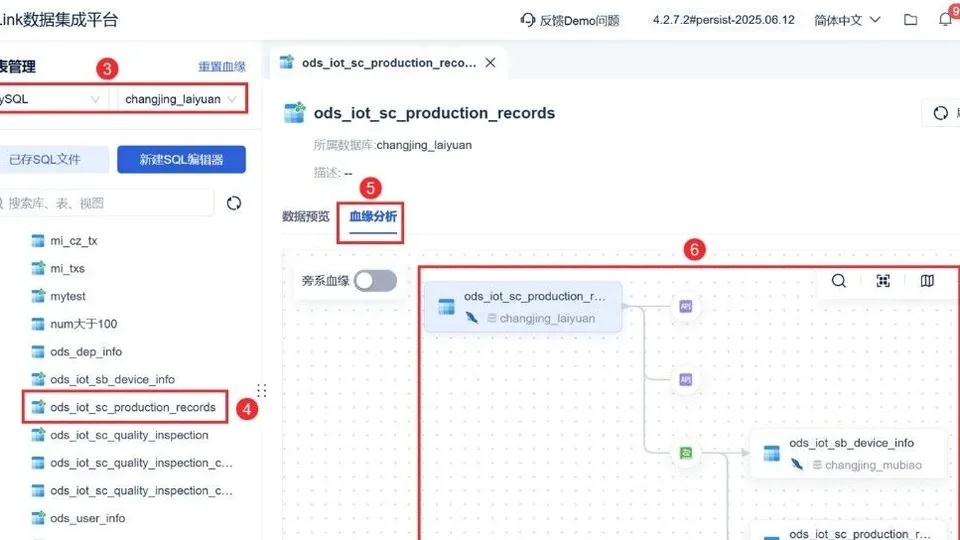
The article defines data lineage, illustrates its importance for rapid root‑cause analysis, impact assessment, compliance and asset management, and walks through a three‑step approach—collection, integration, validation—using concrete examples and a real‑world tool.
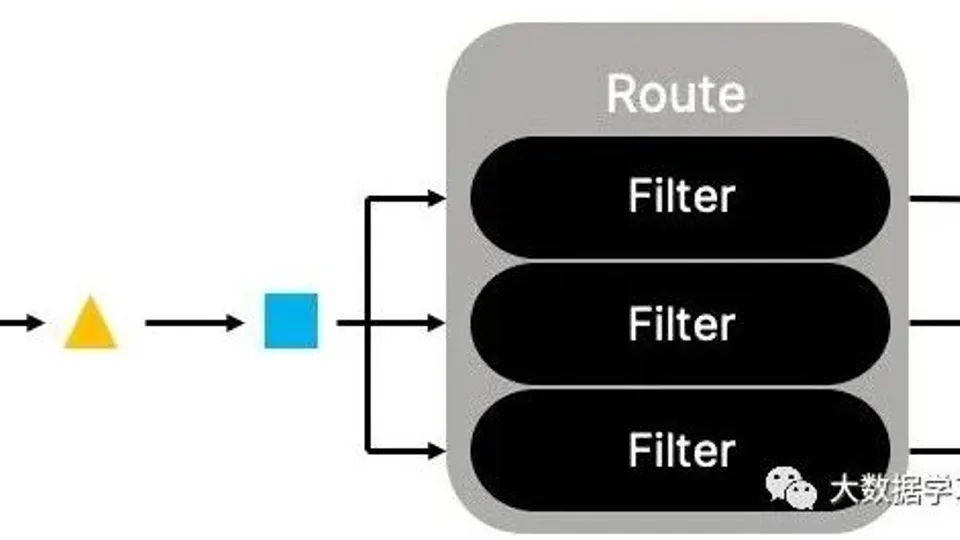
This article explains five streaming ETL patterns—filter, route, transform (extract, normalize, anonymize), aggregate, and trigger—showing how each can be implemented with SQL statements and illustrating their use cases with concrete code examples.
The 2025 Flink release introduces a disaggregated state management architecture for cloud‑native elasticity, AI‑driven Flink Agents with LLM, Memory and Tool support, Delta Join and VARIANT type for semi‑structured data, adaptive batch execution, incremental checkpoints, high‑speed network optimizations, and new SQL and Process Table Functions, reshaping real‑time analytics.
This article chronicles a ten‑year evolution of a self‑built big data platform—detailing early Hadoop clusters, successive migrations to Spark, Hive, Hudi, and StarRocks, the operational challenges encountered, and the comprehensive shift to Alibaba Cloud EMR Serverless that delivered significant cost, performance, and stability gains while outlining future intelligent‑ecosystem plans.
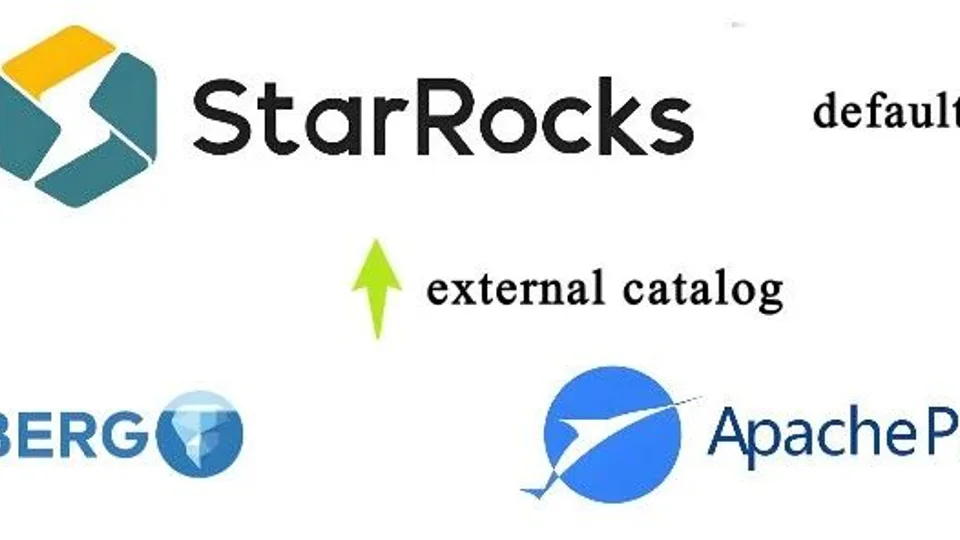
The article benchmarks StarRocks internal tables against Paimon and Iceberg lake tables using TPCH 100G, shows internal tables excel at real-time analytics while lake tables optimize cold storage cost and multi-engine sharing, and details optimization strategies (metadata, data cache, predicate pushdown) achieving 5-10x speedup, illustrated by a retail case study cutting query latency from seconds to milliseconds and storage cost by 65%.
This article explains the evolution of Vivo's real‑time recommendation feature‑concatenation architecture, compares hour‑level, Redis‑streaming and RocksDB state‑backend solutions, and details the memory, performance, startup and HDFS RPC problems encountered along with the concrete fixes applied.
This article details how GoTerra migrated from BigQuery to MaxCompute and used Resource Advisor, tiered quota strategies, and the TopN Fair scheduler to dynamically balance performance and cost across dozens of accounts and hundreds of quota groups, achieving up to 60% cost reduction.
Uber migrated more than two million daily Spark applications from version 2.4 to 3.3, detailing the motivations, architecture, four-step migration process, custom tools like Polyglot Piranha and Iron Dome, and the resulting performance, cost, and productivity gains.
Apache Kyuubi, an enterprise‑grade multi‑tenant data gateway, replaces Livy and Flink SQL Gateway to support multiple engine versions, cross‑cluster elastic scheduling, high‑availability batch jobs, and traffic control, dramatically reducing deployment complexity, improving resource utilization, and accelerating release cycles for large‑scale Spark and Flink workloads.
This article explains how Xiaohongshu, a lifestyle community with over 350 million monthly users, transformed its data platform from a traditional Lambda architecture to a next‑generation incremental computing model, reducing architectural complexity, resource consumption and development effort each by roughly two‑thirds while supporting massive real‑time and offline data demands.
This article explores Kuashou's e‑commerce data metric system, detailing why a metric framework is essential, the business context, the challenges faced across data production, querying and usage, and the practical solutions implemented to improve decision‑making and operational efficiency.
This article introduces DMS Airflow, an enterprise‑level data workflow orchestration platform built on Apache Airflow, covering its advanced DAG capabilities, deep DMS integration, scheduling, task dependency management, dynamic task generation, resource scaling, security features, and practical code examples for SQL, Spark, DTS, and Notebook tasks.
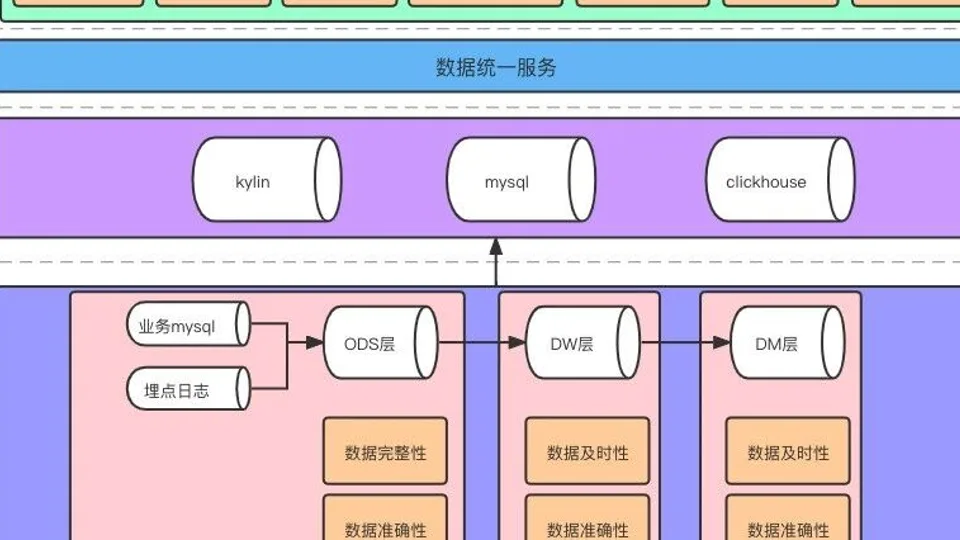
The article outlines a comprehensive data‑warehouse quality assurance framework covering data lineage, layer‑level testing (timeliness, completeness, accuracy), application‑level checks, downgrade and backup strategies, and future plans for automated data shape reporting and static SQL analysis.
This comprehensive guide walks you through expanding or shrinking a production‑grade Kafka cluster—covering prerequisites, anti‑pattern warnings, environment matrices, step‑by‑step expansion and contraction procedures, partition rebalancing principles, monitoring, best practices, and troubleshooting—to ensure zero data loss during scaling.
This article reviews eleven high‑performance Python libraries—Polars, Numba, orjson, PyO3, Blosc, Awkward Array, Dask, Vaex, Modin, scikit‑learn‑intelex, uvloop and PyPy—showing how they achieve multi‑fold speedups through Rust, JIT, SIMD, lazy evaluation and parallel execution, and offers guidance on when to choose each tool.
This tutorial demonstrates how to use Python and Selenium to collect thousands of hot comments from QQ Music, parse the data from dynamically loaded list items, store it in CSV files, and finally generate a word‑cloud visualization of the comment content.
This article explains why Kuaishou e‑commerce needed a metric system, outlines its business context, describes the challenges faced by data product managers, engineers, and operators, and shares the practical steps and management practices used to construct and maintain the system.
The article explains the concepts of data lakes and lakehouses, compares them with traditional data warehouses, outlines the reliability, performance, and security challenges of data lakes, and then details a practical lakehouse implementation using Apache Iceberg, Flink SQL, CDC pipelines, and supporting tools such as Hive Metastore and Trino.
This article explains how small‑file issues in Paimon's streaming data lake architecture degrade system stability and query speed, and presents practical parameter‑tuning, table‑level settings, asynchronous compaction, and monitoring techniques to mitigate those problems.
Explore a comprehensive data governance guide covering naming conventions, data lifecycle classifications, layered architecture standards, inter-layer calling rules, and model design principles, providing practical standards and best practices for building robust, maintainable data warehouses and analytics platforms.