This guide explains how to create a custom Android boot animation using frame sequences, package it correctly, compress it, replace it via ADB, and also covers modifying or hiding the Linux kernel and bootloader logos, including required tools, file formats, and safety precautions.
This article explains the concept of Hook in Android, demonstrates how to intercept View OnClickListener and startActivity using Java reflection and instrumentation, and introduces the Xposed framework for system‑wide method hooking, providing step‑by‑step code examples and practical deployment tips.
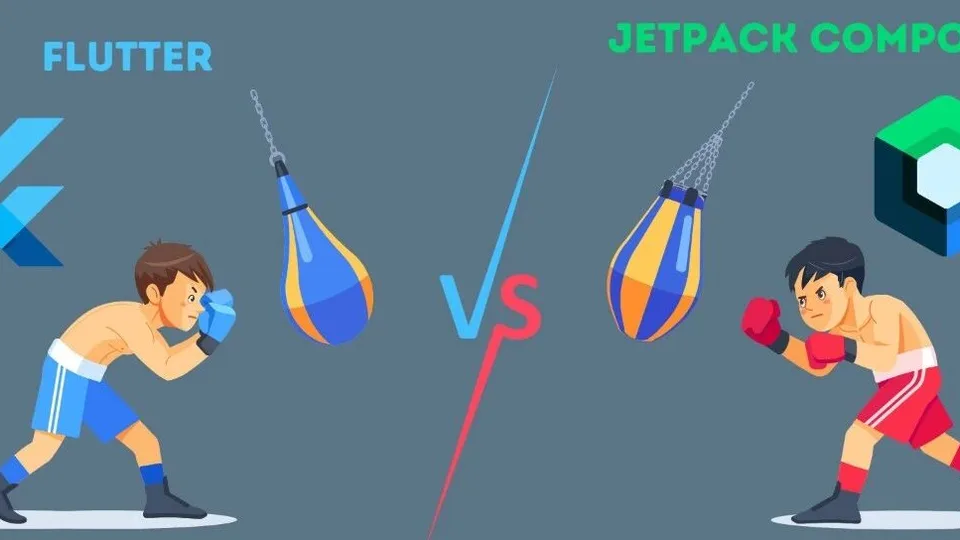
This article provides a concise side‑by‑side comparison of Flutter and Jetpack Compose, covering platform support, language, UI architecture, rendering pipelines, state management, custom UI/animation capabilities, development efficiency, deployment considerations, and ecosystem maturity to help developers choose the right declarative UI framework for their mobile projects.
This article delves into the technical implementation of iOS 26’s Liquid Glass effect, explaining its physics‑based translucency, adaptive coloring, refraction and fluid deformation, and then shows how to recreate it in Flutter using custom shaders, SDF calculations, lighting models, and the Impeller engine.
This article details Bilibili's practical experience with Kotlin Multiplatform (KMP), covering the choice of Bazel as a build system, multi‑language interop, dependency injection, modular export, state‑machine driven single‑direction data flow, and the successful deployment of shared logic and UI across Android, iOS, and HarmonyOS platforms.
Apple’s WWDC 2025 revealed iOS 26 (formerly iOS 19) with a sweeping “Liquid Glass” UI redesign, AI‑powered photo tools, a dynamic lock‑screen clock, revamped camera and gallery, plus a new Foundation Models Framework for on‑device AI, while iPadOS gains multi‑window and file‑management features.
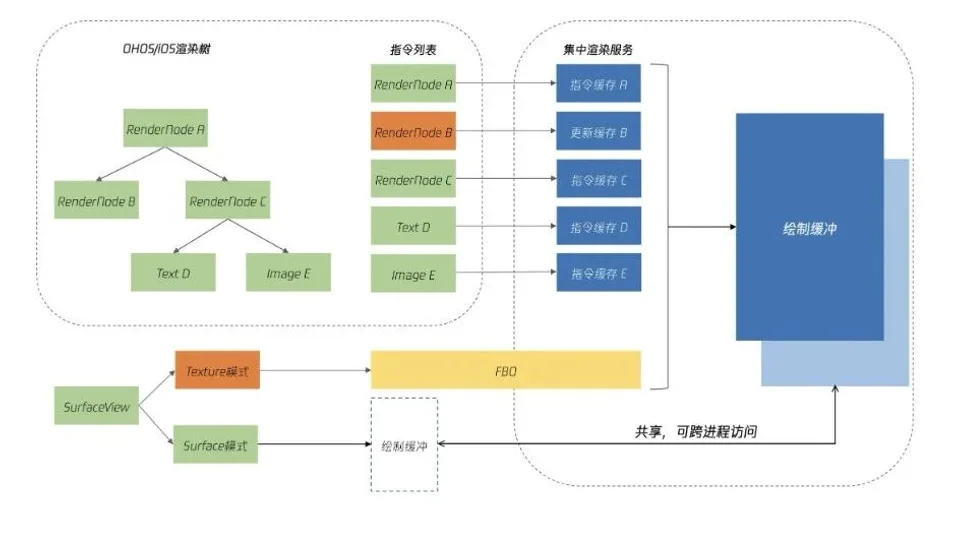
ovCompose is a newly released cross‑platform framework that fully supports HarmonyOS, Android, and iOS, leveraging Kotlin Multiplatform and the native‑focused KuiklyBase to deliver native‑level performance, unified UI rendering, advanced memory and GC optimizations, and a rich component ecosystem, with open‑source repositories for community collaboration.
Apple unveiled a suite of developer tools at WWDC—including a privacy‑focused Foundation Models framework, Xcode 26 with built‑in LLM support, enhanced App Intents, Swift 6.2 upgrades, Linux container capabilities, and App Store accessibility labels—signaling major shifts for iOS developers.
This article introduces ovCompose and KuiklyBase, Tencent Video's cross‑platform development framework built on Compose Multiplatform, explains the background, key advantages, implementation details, performance optimizations for Android, iOS and HarmonyOS, provides repository information and outlines future plans.
This article explains WeChat’s hidden “recover” feature, detailing its official purpose, technical limits, step‑by‑step recovery methods, effectiveness, backup strategies, and the risks of third‑party tools, helping users safely restore lost chat records.
Tencent's Kuikly cross-platform framework open-sources HarmonyOS support and Compose DSL beta, achieving native-level performance via Kotlin Multiplatform and CAPI rendering, with detailed engineering trade-offs on ArkUI mapping, text layout reuse, and Kotlin Native optimization.
Taro, an open‑source cross‑platform solution from JD, now supports pure HarmonyOS through its C‑API version, enabling developers to build H5, mini‑programs, RN and native Harmony apps using familiar web technologies, offering high‑performance rendering, extensive component support, and seamless migration of existing Taro projects.
This article explains the limitations of the original Jetpack Navigation library for Compose, introduces the new Nav3 architecture with its custom back‑stack, open design, and modular components, and demonstrates key features and a code sample for modern Android UI development.
This article highlights five common Kotlin coroutine pitfalls for Android developers—directly calling suspend functions in Views, misusing GlobalScope, sequential network calls, improper exception handling, and ignoring cancellation—while providing correct implementations and best‑practice guidelines to avoid them.
This article details three major optimization directions—component scheduling, component reuse, and component governance—applied to Taobao live streaming, explaining the technical redesign, task scheduler implementation, RecyclerView view‑holder reuse, performance gains, and future improvement plans.
This article introduces Skip, a new high‑performance native cross‑platform framework that converts Swift/SwiftUI code to Kotlin/Jetpack Compose, detailing its architecture, toolchain, usage steps, code examples, comparisons with other frameworks, project structure, internal modules, and practical considerations for mobile developers.
Android only supports Vector drawables, but many apps need to display server‑delivered SVGs; this article compares several approaches—including AndroidSVG, Glide integration, PathView, custom SvgDrawable, and IconFont—detailing setup, code snippets, rendering pipelines, animation limits, and practical recommendations for mobile developers.
Compose Multiplatform 1.8.0 brings a stable, production‑ready iOS version with performance comparable to native apps, concurrent rendering, Kotlin/Native compilation, Skia‑based UI, extensive iOS‑specific enhancements, hot‑reload support, and adoption by major teams, marking a significant milestone for cross‑platform mobile development.
This article provides a comprehensive guide for Android developers on how to connect and use serial ports, USB peripherals, printers, barcode scanners, payment boxes, keyboards, and mice, including required permissions, configuration steps, and sample Kotlin/Java code snippets for each device type.