OpenAI's 'The future of the firm' argues that management tasks may be automated before frontline work, outlining three human-AI organizational models—Beneath, Beside, Between—while real deployments at Uber and ServiceNow show early adoption and an Anthropic study reveals AI's subtle influence on expert judgment.
Google's BigQuery Graph with Measures integrates governed metrics with graph-based business relationships, enabling AI agents to not only calculate accurate KPIs but also trace root causes across multi-hop entity relationships, moving semantic layers beyond unified metrics toward structured business context for agentic analytics.
Google's BigQuery Graph with Measures integrates governed metrics with property graphs to give AI agents both accurate calculations and traversable business relationships, enabling root-cause analysis beyond simple metric queries, with zero-ETL mapping from existing tables and Looker integration for unified semantic models.
Google's BigQuery Graph with Measures integrates governed metrics with property graphs to give AI agents both accurate calculations and traversable business relationships, enabling root-cause analysis beyond simple metric queries.
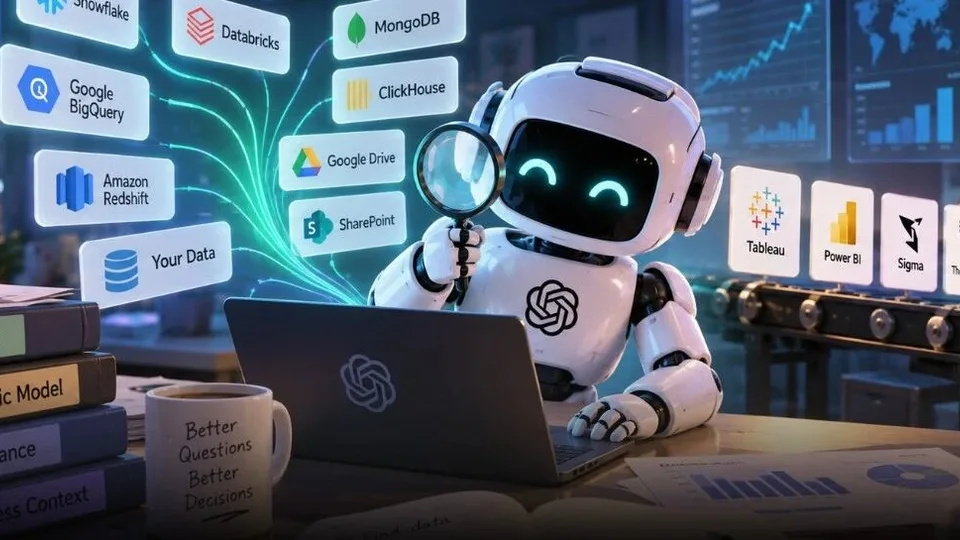
OpenAI's Data Agent integrates with enterprise data stacks like Snowflake and BI tools rather than replacing them, revealing that AI agents require governed business context—metric definitions, semantic models, permissions—to deliver accurate analysis, making semantic layers critical infrastructure for AI-driven analytics.
AWS open-sourced Context Ontology Accelerator (COA) to bridge structured and unstructured data via AI-generated ontologies, governed metrics, and knowledge graphs served through MCP, signaling a shift from traditional semantic layers focused on unified metrics to agent-ready business context infrastructure combining ontologies, rules, and authorization for accurate, auditable agent decisions.
Major Chinese tech giants Tencent, Alibaba, and ByteDance are embedding AI agents into their collaboration platforms not to win entry points, but to capture organizational memory—context from chats, documents, meetings, permissions, and business systems—which creates an accumulating, hard-to-replicate moat that shifts value from subjective time savings to objective business outcomes.
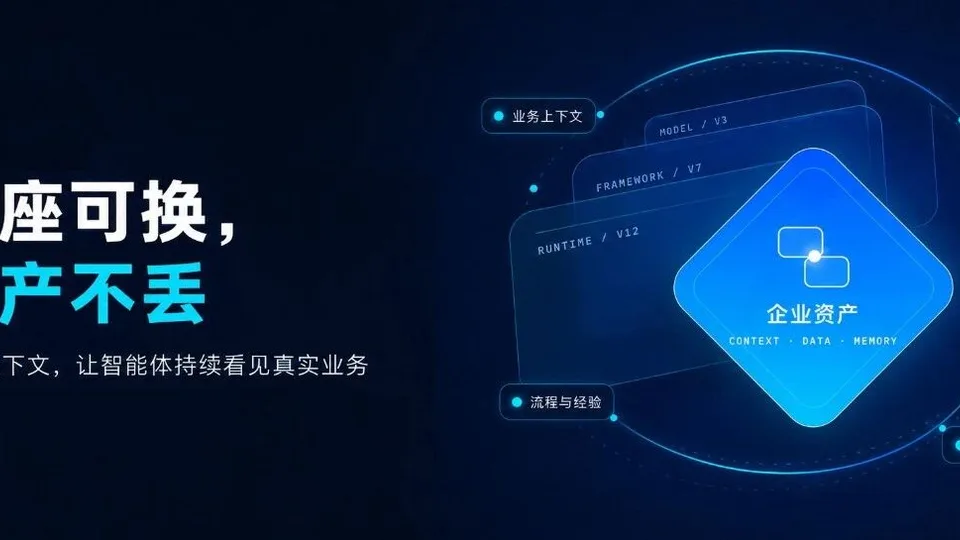
The article argues that enterprises should invest in persistent business context rather than repeatedly rebuilding general Agent capabilities, using message-driven data integration and a unified semantic layer to make real-time, multi-source data reliably usable by Agents, illustrated by EventHouse's architecture.
The article explains how Google’s new BigQuery Graph with Measures extends the traditional semantic layer—once focused on unified metric definitions—into a business‑context‑aware infrastructure that lets agents trace why metrics change through explicit entity relationships.
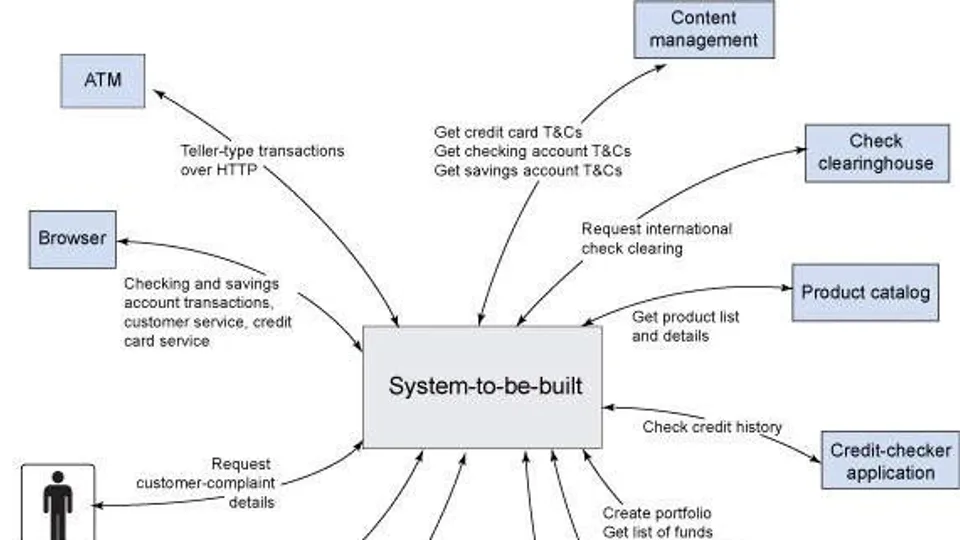
Understanding and documenting the system context—its external users, roles, channels, and interacting systems—provides a foundational view that links business context to architecture, guides information flow modeling, and ensures traceability throughout the software development lifecycle.