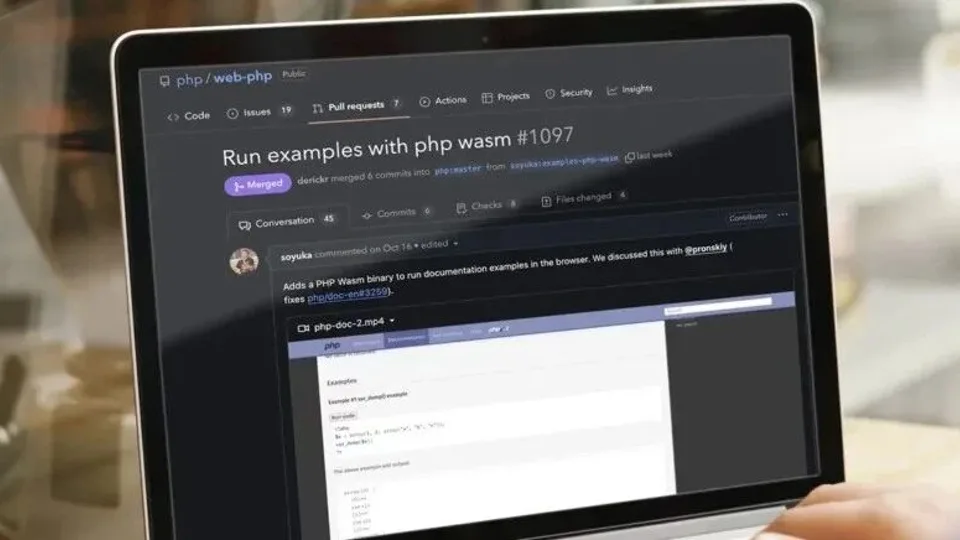
php-wasm-builder 1.0 enables compiling PHP with custom versions and extensions into a single WebAssembly module that runs in browsers and Node.js without a PHP server, demonstrated by running Symfony apps and PHP libraries entirely client-side via static hosting.
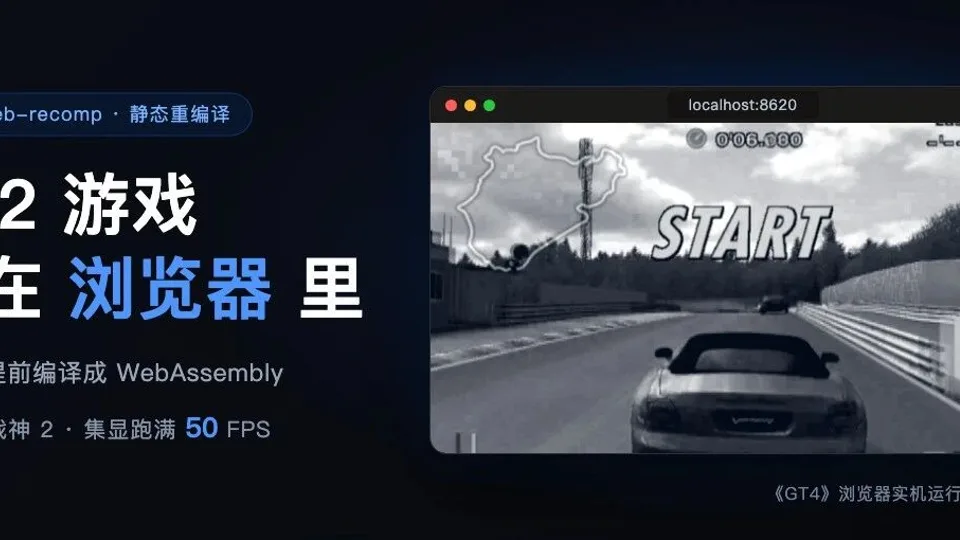
The open-source ps2-web-recomp project statically recompiles PS2 MIPS machine code to C++ and then WebAssembly, letting Gran Turismo 4 and God of War 2 run in Chrome at near-native speed via WebGPU compute shaders, with a reusable toolchain that discovers missing functions through headless execution.
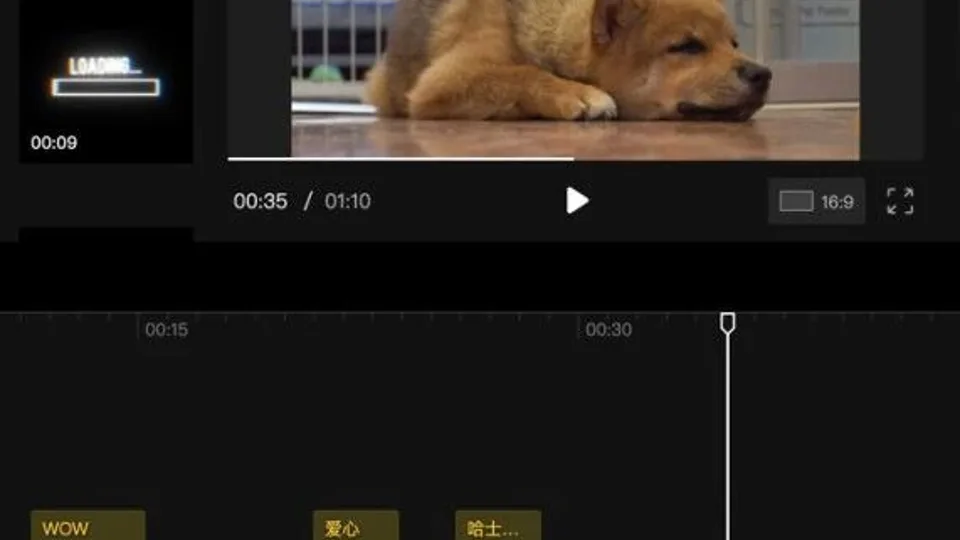
This article reviews the adoption of WebAssembly for a web‑based video editing SDK, covering its technical background, browser compatibility, JavaScript vs. WebAssembly trade‑offs, multithreading with Web Workers, OpenGL/WebGL rendering, virtual file‑system handling, package‑size reduction techniques, development tooling, and future directions such as front‑end synthesis and collaborative editing.
This article explains how to implement AAC audio encoding directly in the browser by compiling FFmpeg’s libavcodec and libswresample to WebAssembly with Emscripten, detailing the required FFmpeg modules, AAC encoding workflow, compilation options, and JavaScript integration for real‑time media streaming.
WebAssembly has evolved to version 2.0, offering extensive instruction support, large memory handling, and vector operations, and is now widely used across web and non‑web scenarios; this article surveys popular languages (C/C++, Rust, Go, AssemblyScript, JavaScript, etc.) and key toolchains such as Emscripten, Binaryen, wasi‑sdk, TinyGo, wabt, wasm‑pack, and wasm‑bindgen.
This article explains how to compile FFmpeg and its dependencies to WebAssembly using Emscripten and Docker, covering the basics of WASM, compiler toolchains, build scripts, configuration flags, and the resulting output files, providing a practical guide for front‑end developers seeking high‑performance media processing in the browser.
This comprehensive guide explains why WebAssembly exists, how it outperforms JavaScript, walks through compiling C/C++ code (including libwebp and FFmpeg) to WebAssembly with Emscripten, shows how to call native functions from JavaScript, manage the virtual file system, and debug the resulting modules using Chrome DevTools.
WebAssembly is a portable, low‑size binary format that complements JavaScript by letting C, C++, Rust, and other languages compile to fast‑loading modules, offering near‑native speed, easy macOS setup with Emscripten, measurable performance gains such as a 1.9× speed‑up on recursive Fibonacci, and seamless interaction with JavaScript for compute‑heavy web applications.
This article explains how to use WebAssembly and FFmpeg compiled to wasm for client‑side video clipping, covering the basics of WebAssembly, setting up Emscripten, loading ffmpeg.wasm, building a minimal Node server, and adding a slider UI for selecting clip ranges.
This article explains what WebAssembly is, why it was created, how its binary format and compilation model give it near‑native speed compared with JavaScript, and provides a step‑by‑step example of building and loading a simple Wasm module.
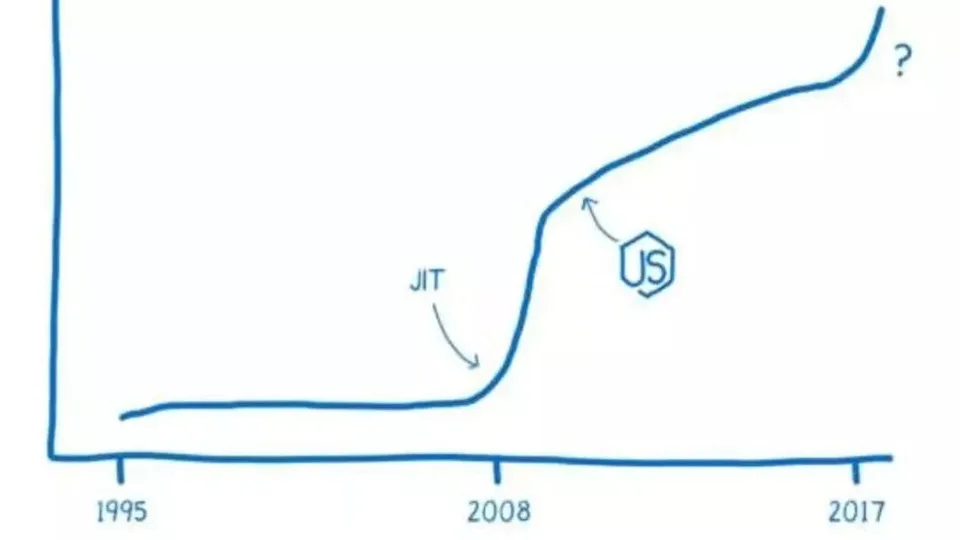
This article traces the ten‑year evolution from Emscripten’s early C++‑to‑JavaScript compiler through asm.js to modern WebAssembly, highlighting key milestones, technical challenges, performance optimizations, and real‑world applications such as games, AutoCAD, and Google Meet, while providing code examples and installation steps.
This article chronicles the ten‑year evolution from Emscripten’s C++‑to‑JavaScript compiler through asm.js to the modern WebAssembly standard, highlighting key milestones, performance challenges, and real‑world applications that have reshaped what browsers can achieve.
This article walks through the complete process of extracting video frames on the front end using FFmpeg compiled to WebAssembly, covering background requirements, a comparison of video‑canvas and server‑side approaches, detailed Emscripten setup, FFmpeg compilation, C‑level integration, memory optimizations, and deployment with Webpack.
This article describes how to replace the JavaScript‑based JSZip decompression in a Three.js 3D viewer with a C‑based Zip library compiled to WebAssembly via Emscripten, run inside a Web Worker, and demonstrates measurable performance gains through detailed testing.
This article explains how to replace JSZip with a C‑based WebAssembly unzip module using Emscripten, integrate it via a Web Worker, and achieve faster decompression for Three.js 3D assets, complete with performance test results and detailed code examples.
This article demonstrates how to leverage WebAssembly and Emscripten to compile C code for high‑performance MD5 hashing and archive (zip/7z) parsing in the browser, covering library selection, memory management, file I/O via WorkerFS, async processing, and integration of C functions with JavaScript.
This tutorial explains how to compile the ImageMagick C/C++ library to WebAssembly using Emscripten and Docker, configure its dependencies (zlib, libpng, libjpeg, libwebp), build the wasm module, and invoke ImageMagick commands from JavaScript with a virtual file system in the browser.
This article explores how WebAssembly, compiled via Emscripten from C/C++ code, can accelerate file‑scanning tasks in a web‑based email attachment uploader, detailing the compilation pipeline, runtime communication, performance benchmarks against pure JavaScript, and practical optimizations for worker‑based processing.
This article explains how to compile C/C++ code to WebAssembly with pthread support, run multithreaded WebAssembly modules in Chrome using Origin Trials, and provides step‑by‑step instructions, example code, and configuration details for developers.
This article introduces WebAssembly, explains its performance advantages over JavaScript, details the setup of development tools like Emscripten, CMake, and WABT on macOS, and provides step‑by‑step examples for compiling C/C++ code to .wasm, loading modules in JavaScript, and using advanced features.
This article explains the evolution of JavaScript performance, introduces WebAssembly concepts and browser support, provides step‑by‑step installation of Emscripten, WABT, and related tools on macOS, demonstrates WebAssembly APIs such as validate, Module, compile, Instance, Memory and Table, and shows practical examples of compiling and invoking C/C++ and Rust code from JavaScript.
This article explains the evolution from asm.js to WebAssembly, compares their performance, outlines implementation strategies—including AssemblyScript, hand‑written asm.js, and C/C++ compilation with Emscripten—and provides practical code examples and tips for integrating WebAssembly into web applications.
WebAssembly enables programs written in languages like C/C++ to run in browsers, and Mozilla’s WebAssembly Explorer provides a visual UI that reveals compiler optimizations—such as choosing between division and shift operations—while developers can also use Emscripten for production‑grade compilation.
This guide introduces WebAssembly and its ecosystem—explaining how Emscripten compiles C/C++ to asm.js or .wasm, how Binaryen converts asm.js to the final binary, and provides step‑by‑step Ubuntu installation, simple hello‑world compilation, build‑process wrappers, and real‑world examples such as FFmpeg, SQLite, and game engines.
This article explains how modern front‑end performance challenges—especially JavaScript garbage collection, closure‑induced memory waste, and the need for page pre‑fetching—can be mitigated with techniques like Emscripten‑based memory management and strategic use of dns‑prefetch, pre‑fetch, and pre‑render tags.