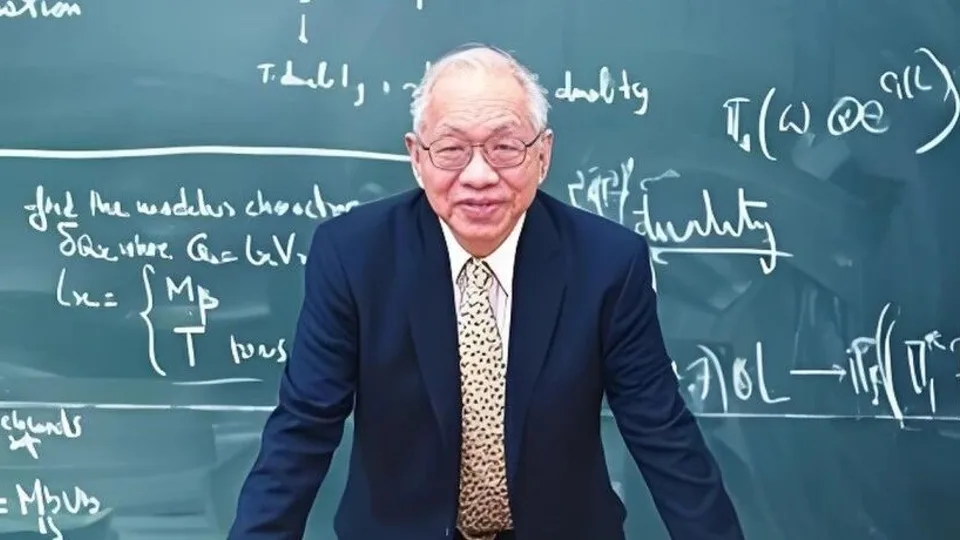
Fields Medalist Shing-Tung Yau argues AI will not replace mathematicians because truth is infinite; AI solves known problems while humans pose new questions, a division of labor that accelerates discovery. He views exponential AI growth as a golden age for Chinese mathematics and urges protecting curiosity and early AI education.
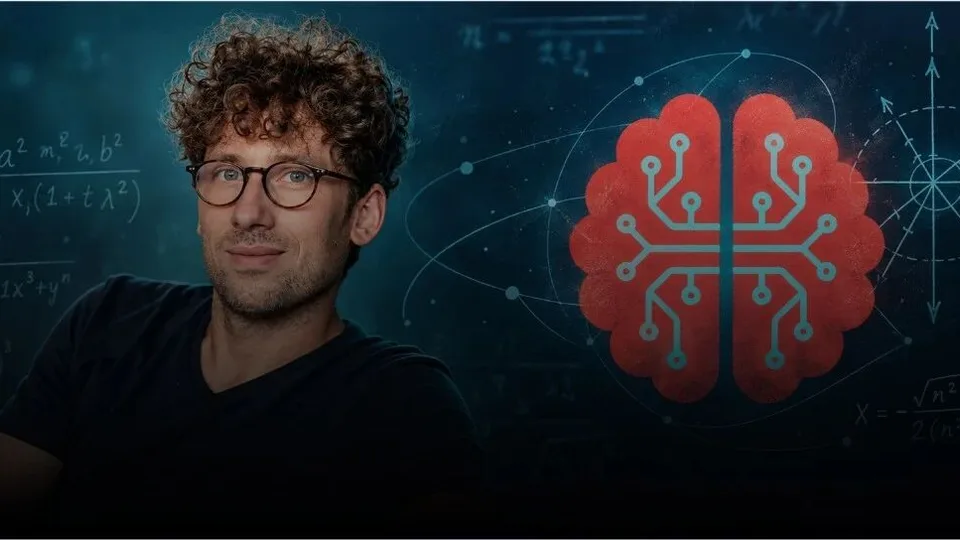
OpenAI released 722 AI-generated mathematical manuscripts, including 16 problems in Fields Medalist Hugo Duminil-Copin's specialty, triggering his emotional crisis and raising profound questions about the future of mathematical discovery, training of young researchers, and the nature of proof itself.
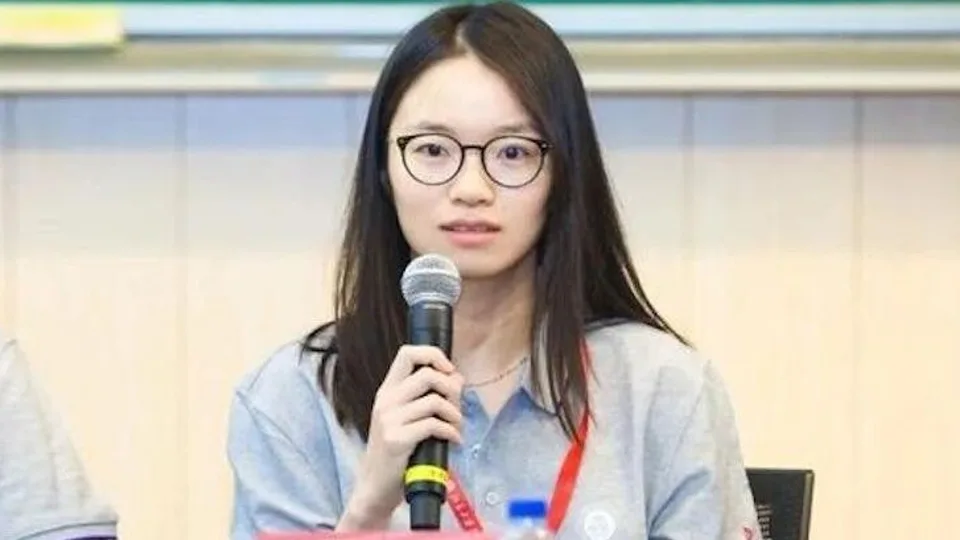
Wang Hong, the 2026 Fields Medalist, traced a scholarly path through institutions from Peking University to MIT and collaborations with leading mathematicians, culminating in breakthroughs on the century‑old Kakeya problem by integrating insights from Tao, Guth, Stein, and others.
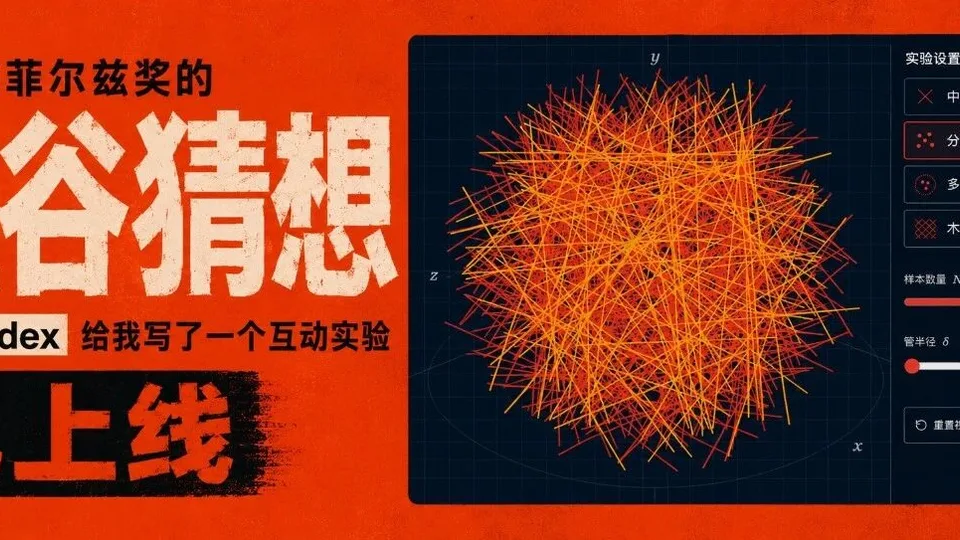
The article explains the history and recent proof of the three‑dimensional Kakeya conjecture, describes how the author used Codex to create an interactive Three.js experiment that visualizes the conjecture, and outlines a reusable workflow for turning complex scientific ideas into accessible web demos.
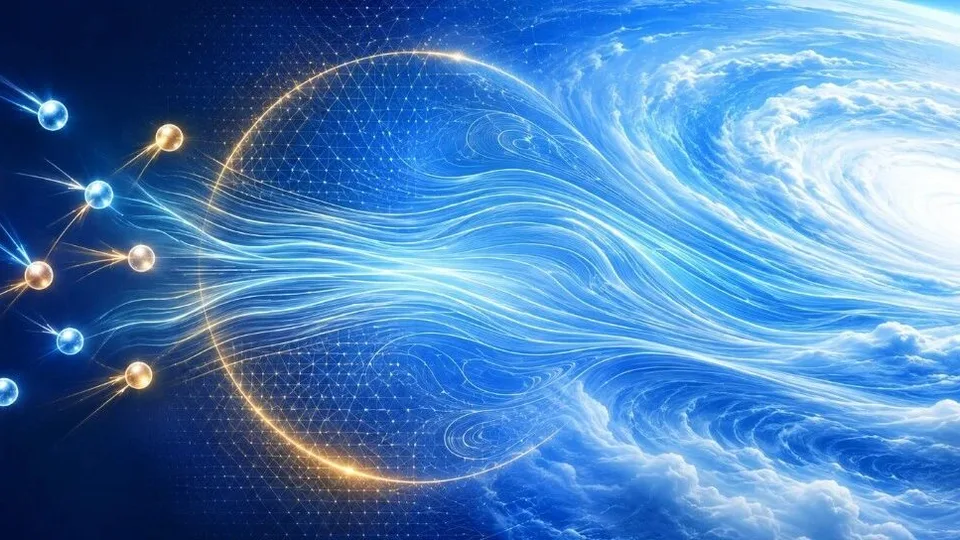
The article explains how everyday predictions—from weather forecasts to aircraft design—rely on replacing discrete particle systems with continuous models, examines Hilbert's sixth problem, reviews the historic Lanford result and the recent long‑time derivation of the Boltzmann equation, and shows that a model’s credibility hinges on three precise mathematical premises.
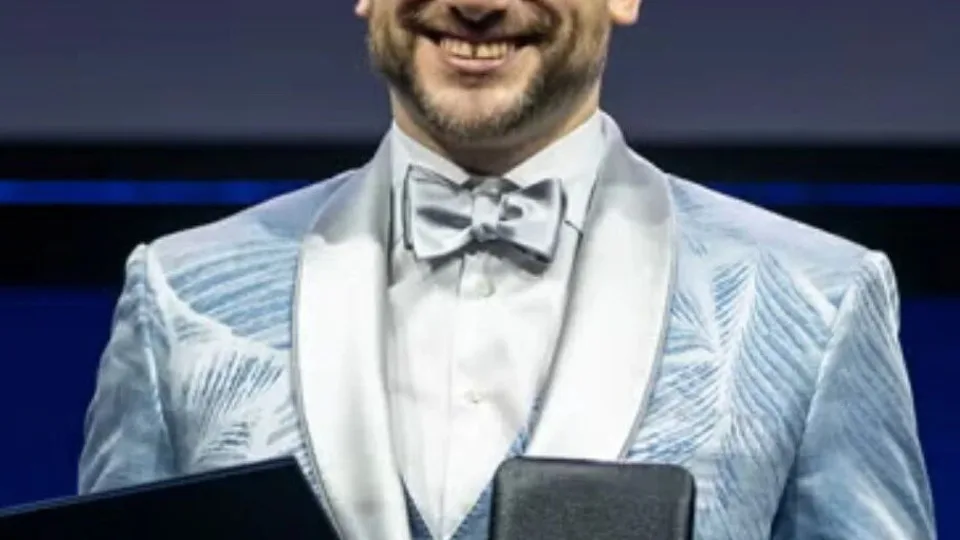
Jacob Tsimerman, a newly crowned Fields Medalist, announced his move to OpenAI to focus on AI safety, linking his deep work on the André–Oort conjecture and o‑minimality with OpenAI's long‑horizon model safety research and the emerging need for mathematically rigorous verification methods.
An unfiltered eventSnapshot API on the ICM 2026 website revealed four hidden Fields Medal lecture entries—including Chinese mathematicians Wang Hong and Yu Deng—through a single curl request, prompting a data leak that could mark the first year two Chinese scholars share the award and highlighting their distinct academic journeys.