A candidate from a non-top university interviews at Unitree for an AI Agent role and discovers the interview focuses on practical engineering challenges — RAG integration, tool calling design, Agent loop termination — rather than abstract theory, realizing interviewers face the same messy problems and that hands-on project experience matters more than credentials.
The author shares a friend's failed background check after receiving an offer, recounts personal experience navigating third-party verification with departed references, and outlines tactics for handling historical issues, employment gap rules, salary verification, and the importance of sincerity versus strategic omission.
On July 6, former Huawei "genius boy" Li Bojie publicly criticized DeepSeek's slow, cumbersome interview process, citing delayed scheduling, a late interviewer, and an accusation of code copying that led him to terminate the interview.
A Brown University PhD candidate who shifted from multilingual modeling to AI safety shares six unexpected lessons from landing an OpenAI Astra Fellowship, covering the limited role of papers, diverse interview formats, paid work trials, timing, rare retention offers, and many interview topics unrelated to the research focus.
HRs spend only 7.4 seconds per resume, so a 1‑page IT CV must be dense and clear for fresh graduates, while mid‑level engineers can flexibly use 1‑2 pages and senior staff should aim for 2 pages to showcase strategy and impact, with concrete examples, layout tricks, and common pitfalls explained.
The author recounts a recent AI product‑manager interview, analyzes the evolving AI landscape, categorises three types of professionals, and distils the core competencies—market foresight, product positioning, and end‑to‑end ownership—required for AI product managers to thrive in the coming years.
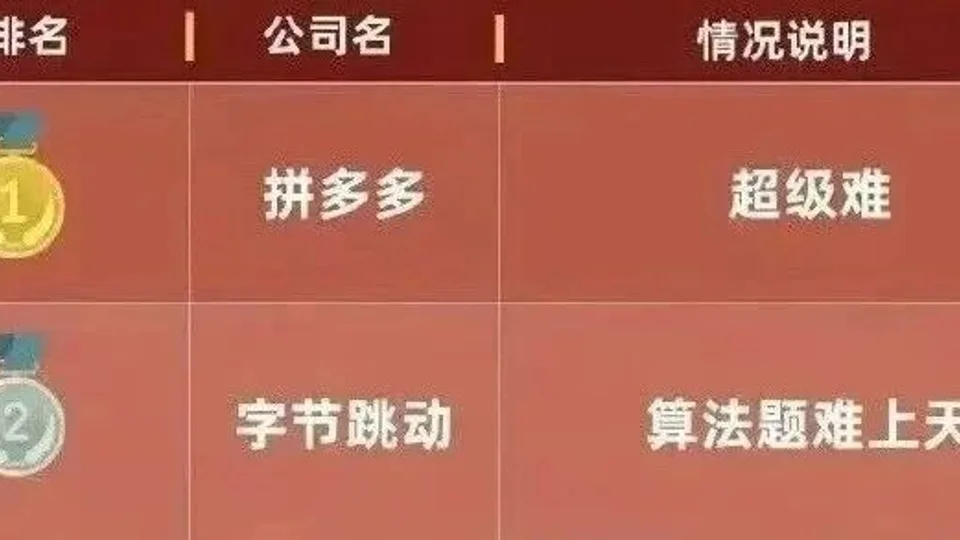
This article examines the eight most difficult IT companies to join in China, detailing each firm's interview structure, algorithm and system‑design challenges, engineering‑practice questions, and offers concrete preparation formulas for both campus and experienced candidates.
The article compiles several Zhihu responses explaining why many developers dislike interview coding tasks, citing irrelevance to real work, overemphasis on algorithmic puzzles, time waste, mismatch with production priorities, and the perception that such tests favor test‑crackers over truly skilled engineers.
Staying at a single company for too long can blind product managers to market shifts, so the author uses multiple interview experiences to clarify the role, required internet thinking, differences from project managers, recommended reading, and a realistic career progression roadmap.
A third‑year student recounts four distinct campus interviews—from a state‑owned big‑data firm to an AI startup—detailing test formats, technical questions, and personal growth, and concludes that most graduates ultimately join the countless small‑mid‑size companies that keep society running.
This article uses the metaphor of the uncertainty principle to explain why promotion reviews are inherently imprecise, then offers a structured, logical framework and practical tips for preparing compelling promotion defense materials that maximize scoring and reduce risk.
Recent job‑market trends show fewer positions but more candidates, leading many to notice that companies offering offers often ask few interview details, whereas firms that probe deeply rarely follow up; a veteran interviewer explains the psychological reasons and shares a concrete high‑volume query example.
Meituan now uses an AI‑driven interview on the Niuke platform that starts with language selection, presents six technical questions (with three chances to swap), followed by two general questions, each timed and often followed by rapid follow‑ups, giving candidates a glimpse of the rigid, fast‑paced assessment format.
The article follows a former PhD student who, after facing research setbacks, proactively sought collaborations, published top‑conference papers, and successfully transitioned into the tech industry, sharing practical steps and mindset shifts for engineers moving from academia to business.
This article shares a junior engineer's detailed journey of securing a backend engineering offer at Tencent, covering three interview rounds, key technical topics like Spring, HashMap, Elasticsearch, Redis, and personal reflections on strengths, weaknesses, and preparation strategies.
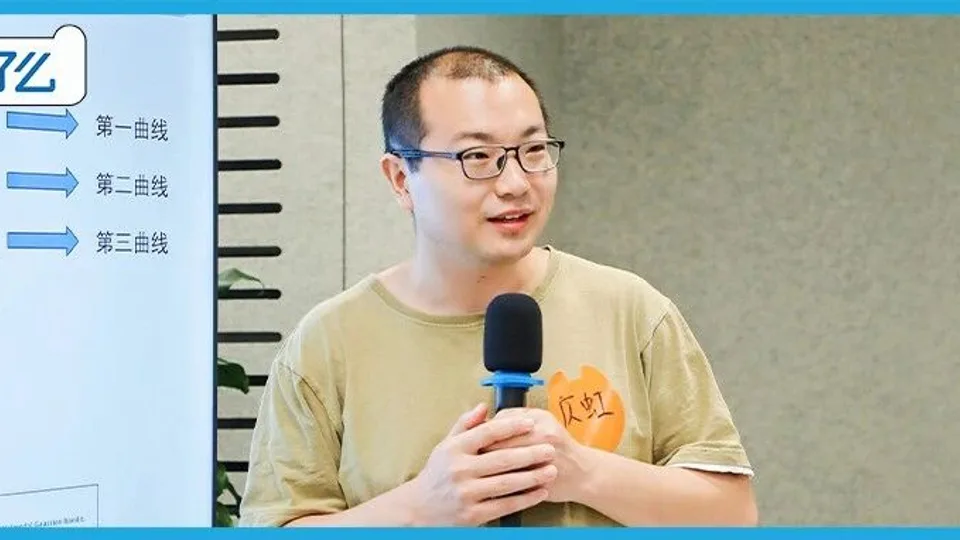
In a graduation ceremony Q&A, senior engineers from Alibaba Mom share practical advice on the traits companies value, how to develop early‑career skills, ways to broaden technical perspective, methods for quickly grasping business, and book recommendations to help fresh graduates thrive in tech.
Seven recent Alibaba Mama hires recount why they chose the company, the biggest obstacles they faced transitioning from school to work, a typical day in their roles, the mentorship they receive, proud moments, and practical advice for future candidates, offering a comprehensive view of early‑career life in a leading ad‑tech organization.
The article shares a programmer's interview experience at Baidu, discussing how to adapt AI algorithms for edge deployment, balance model performance and efficiency, apply model compression techniques, and continuously iterate models, while also promoting an upcoming AI deployment online course.
This article introduces Youzan's testing team, detailing its growth to over 120 engineers across three cities, the test‑development responsibilities, automation and load‑testing practices, quality‑assurance framework, training programs, and the open, growth‑focused team culture that candidates can expect.
The author recounts his 2012 MySQL interview experience, describes the flat, globally distributed InnoDB team structure, details the typical bug‑fix workflow, lists major InnoDB features he contributed to, and reflects on the lessons learned before moving to Tencent Cloud's database division.
The author recounts eight interview experiences across companies like Afanti, XueTang Online, Guokr, Veeva, Zhihu, Spring Rain Doctor, 360, and Toutiao, sharing detailed insights on Python fundamentals, network protocols, system design, database concepts, and personal lessons that helped secure a final offer.
A seasoned backend developer shares his eight‑year journey, mid‑life career anxieties, a full‑stack interview experience at a Xiamen gaming firm, and reflective thoughts on the fleeting value of countless projects, highlighting lessons on technical growth, management skills, and continuous learning.