This article details practical integration of jOOQ 3.19 with Spring Boot 3.x for type-safe SQL, covering code generation, DSL queries, multi-database adaptation, performance tuning, security practices, and migration lessons learned from real-world complex reporting and multi-database delivery scenarios.
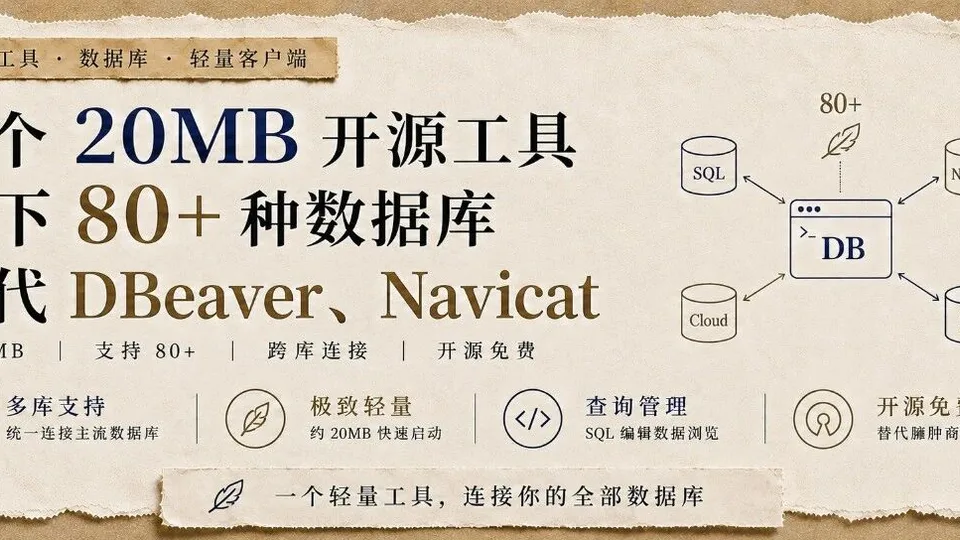
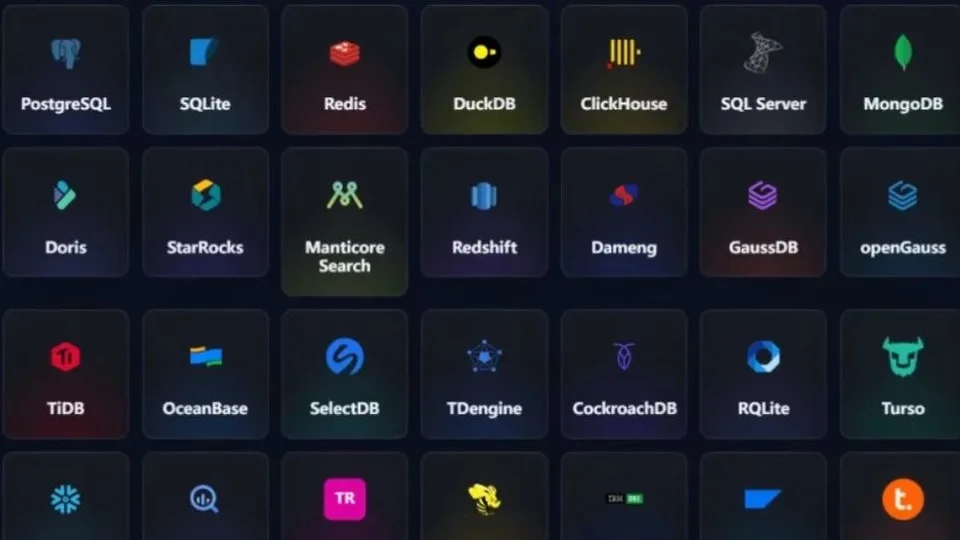
DBX is a Rust‑and‑Tauri based, 20 MB single‑file, free, open‑source database client that supports over 80 relational, NoSQL, OLAP and search databases, includes an AI‑powered SQL assistant and native MCP server, and offers lightweight installation across macOS, Windows, Linux and Docker, positioning it as a modern alternative to DBeaver and Navicat.
In this interview, senior DBA Yao Wei shares over a decade of hands‑on experience designing, testing, and operating heterogeneous database ecosystems for retail, internet, and financial services, detailing pre‑emptive DBA involvement, compatibility pitfalls, high‑availability strategies, automated validation pipelines, and migration to domestic databases.
The article reviews the open‑source database client dbx—built with Rust, Vue 3, and Tauri—highlighting its tiny 20 MB footprint, native AI assistant, support for over 60 databases, cross‑platform installers, and detailed feature comparison against DBeaver, Navicat, and DataGrip.
DBX is a lightweight 15 MB open‑source database client built with Tauri and Rust that instantly launches, supports over 40 relational, document, key‑value and analytical databases, offers AI‑driven SQL generation, ER diagramming, schema diff, dark mode, and can be installed via Homebrew, Scoop or Docker.
This article explores the design and implementation of a low‑code development platform, detailing its core components, modular and service‑oriented architecture, multi‑database source management, dynamic API generation, script engine with sandboxing, and debugging mechanisms, using EasyPaaS as a practical example.
This case study details how Industrial and Commercial Bank of China's software development center tackled growing complexity, multi‑database client fragmentation, password‑storage risks, and data tampering by creating a centralized online platform that streamlines test data maintenance across thousands of databases while ensuring security and traceability.
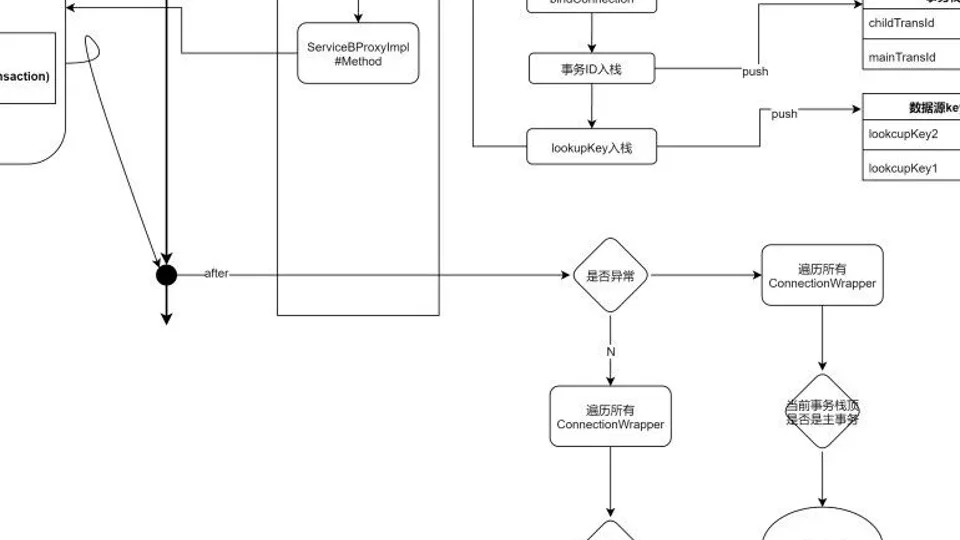
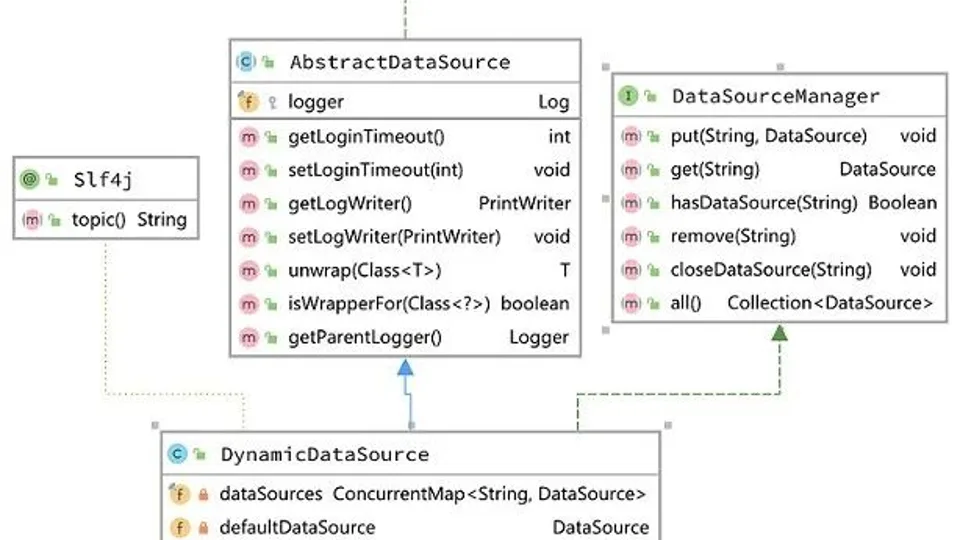
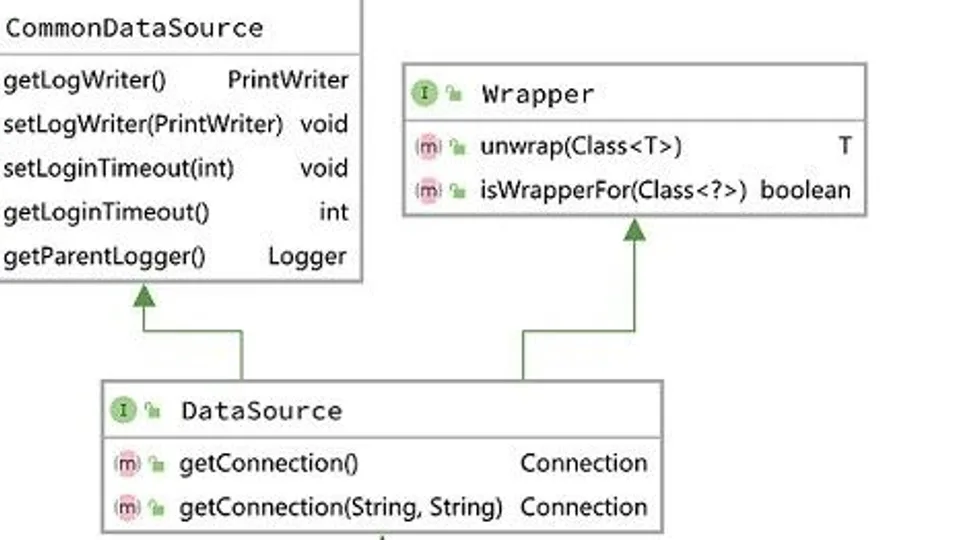
This article explains how to dynamically manage multiple Spring data sources, switch between them at runtime, and implement custom multi‑database transaction handling, covering both configuration‑file and database‑table approaches, with code examples and AOP techniques for seamless integration.
The article explains how to dynamically manage multiple data sources and ensure transaction consistency in Spring applications by extending AbstractRoutingDataSource, using configuration‑file or database‑table approaches, and applying AOP‑based switching with custom transaction management.
This article explains how to dynamically manage multiple data sources and ensure transaction consistency across them in Spring applications, covering both configuration‑file and database‑table approaches, custom AOP switching, and a bespoke multi‑database transaction mechanism.
This article explains why dynamic data sources are needed in high‑traffic Spring Boot applications, shows how to configure multiple databases via Maven, YAML and Java, and demonstrates a custom annotation‑driven AOP solution for seamless runtime routing.
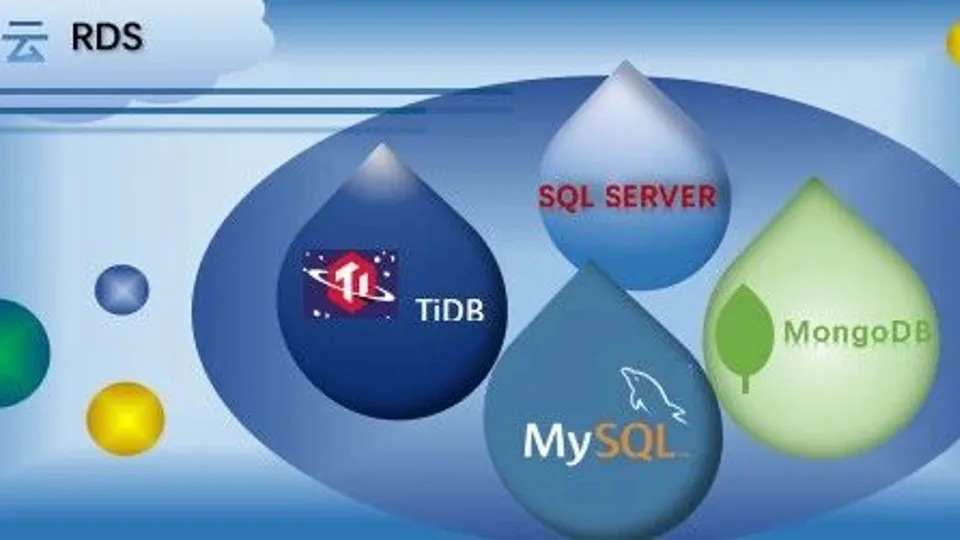
This article introduces the background, supported database types, key features such as unified management, query, monitoring, and health diagnostics of the Zhijia Cloud multi-database management platform (RDS), and outlines its future development plans for expanding database integration and migration capabilities.