At Palantir AIPCon 11, Eaton demonstrated Equipment Forge, a system where multiple AI agents collaborate via a shared Ontology to analyze engineering requirements, check bill-of-materials availability, evaluate supplier alternatives, and update delivery commitments for custom electrical equipment, keeping humans in the loop for critical decisions.
NVIDIA deployed Palantir Ontology, cuOpt, and a fine-tuned Nemotron 3.5 Lightning model to automate material allocation across 1.3M-part Vera Rubin cabinets, finding that while cuOpt solves constrained optimization, only the 86.7%-accurate specialist model captures planners' contextual judgment from emails, weather, and supplier reliability.
At Palantir AIPCon 11, Eaton demonstrated Equipment Forge, a multi-agent system using Palantir Ontology to coordinate engineering, supply chain, and delivery decisions for custom electrical equipment, enabling agents to share context across requirements analysis, BOM checking, supplier substitution, and human-in-the-loop approvals.
At Palantir AIPCon 11, Eaton demonstrated Equipment Forge, a multi-agent system that coordinates engineering, supply chain, and delivery decisions for custom electrical equipment by sharing order context through Palantir's Ontology, keeping humans in the loop for critical trade-offs.
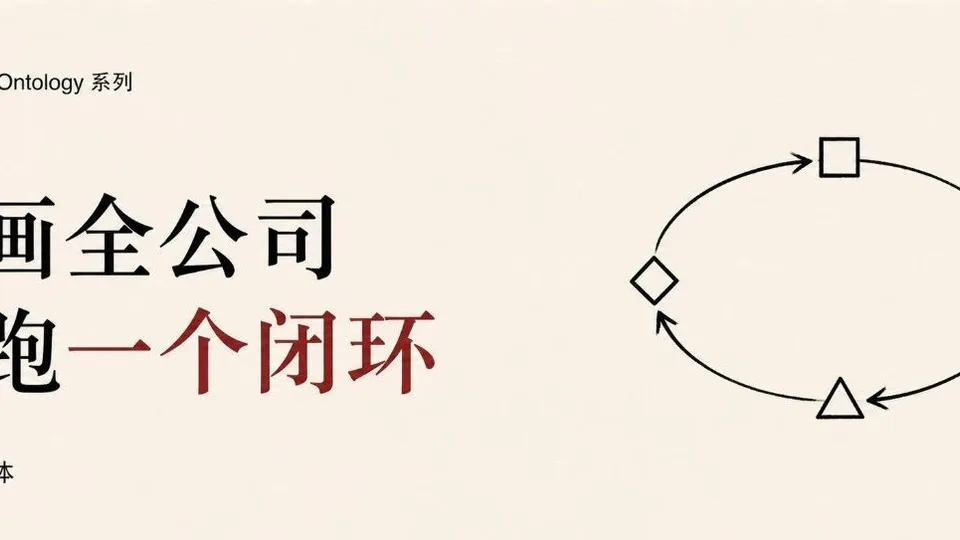
This final article in the Palantir Ontology series argues that the first version of an ontology should be defined by a single, repeatable decision loop — not a comprehensive enterprise model — and provides a four-week rollout plan, metrics for value tracking, and guidance on when to expand based on observed reuse.
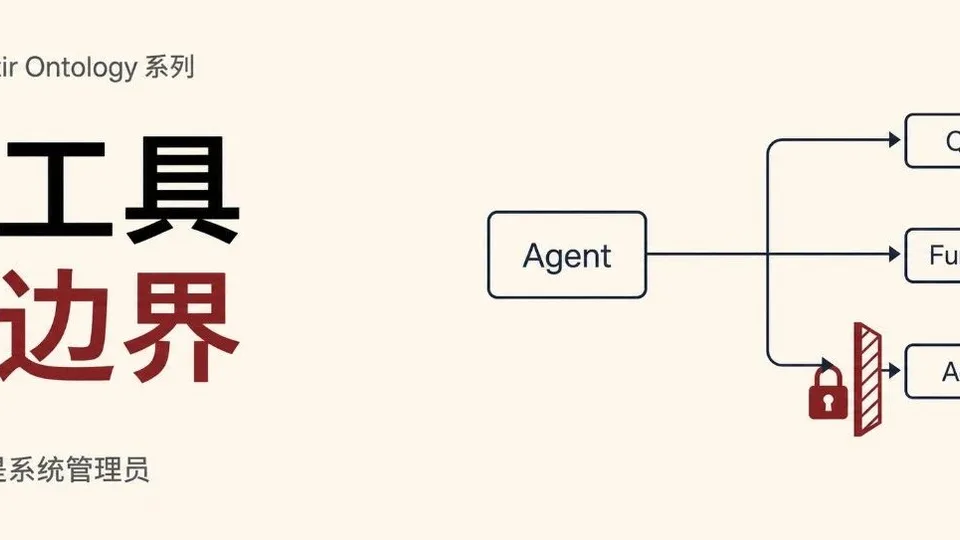
This article argues that enterprise AI agents should not receive unlimited system access but instead be equipped with narrowly scoped, task-specific toolboxes. It outlines four capability layers—reading facts, calling stable functions, generating suggestions, and executing defined actions—and six production gates to safely graduate agents from read-only to autonomous execution.
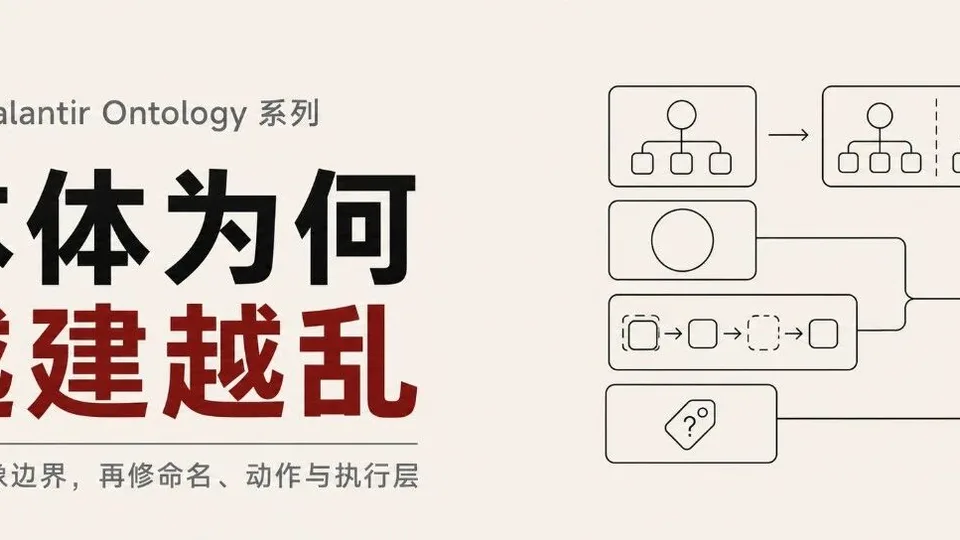
This article details eight common Palantir Ontology anti-patterns grouped into four root causes—system silos, department silos, overloaded objects, wrong execution layers, and poor naming—and provides a prioritized repair checklist to keep ontology models aligned with business reality.