Research from the book Accelerate, based on 23,000 surveys across 2,000 organizations, shows that limiting work in progress (WIP) alone has no significant impact on delivery performance; it only works when combined with visualization of quality and productivity metrics and daily decisions driven by real production monitoring data.
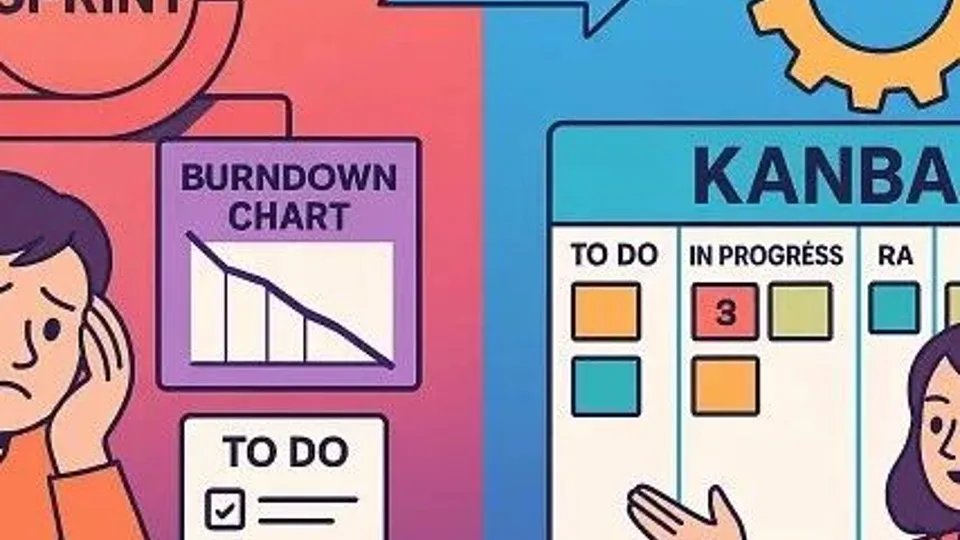
A software team discovered that Scrum’s ceremonies and story‑point focus were masking weeks of unfinished work, so they switched to Kanban with WIP limits and flow metrics, ran a simple JavaScript simulation, and measured dramatic improvements in cycle time, delivery volume, and team morale.
After burning our Agile rulebook and abandoning story points, sprints, and endless meetings, a senior engineering team switched to a simple Kanban flow with WIP limits, focused on cycle time, and replaced daily stand‑ups with continuous Slack communication, resulting in dramatically higher output, quality, and morale.
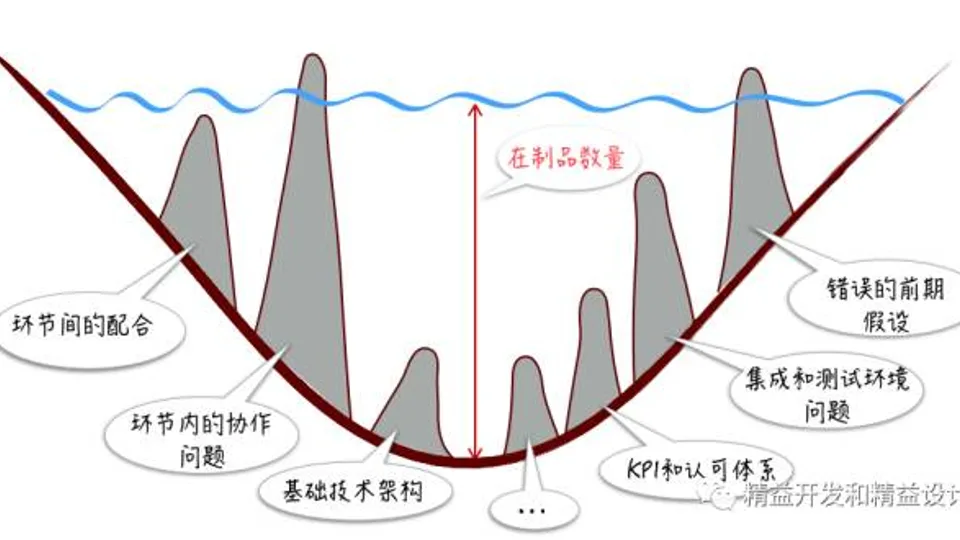
This article explains how to control work‑in‑progress using the lake‑water‑rock metaphor, outlines realistic and useful principles for setting WIP limits, describes common limiting methods such as swim‑lane caps, stage caps, and personal caps, and offers practical ways to determine initial limit values.