This article explores ZXing 3.5.4's Java library updates including grayscale luminance source, QRCodeMultiReader metadata preservation, PDF417 fixes, and improved barcode recognition, with practical code examples for generating and reading QR codes and other barcode formats.
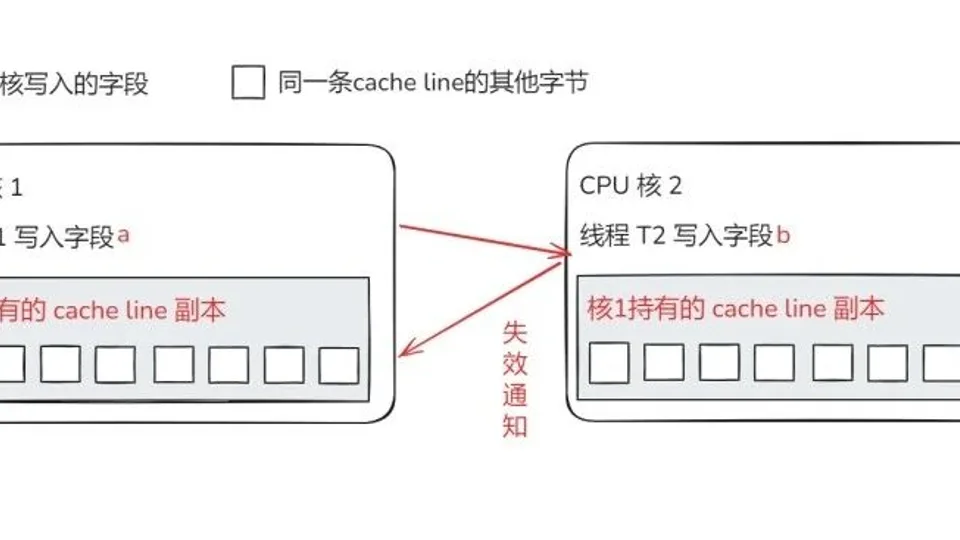
This article explains CPU cache fundamentals, demonstrates common cache killers like row vs column traversal, vector vs list, and false sharing with benchmarks, and provides practical C++ optimization techniques including struct layout, AoS vs SoA, prefetching, pointer chasing avoidance, and object pools, emphasizing measurement with perf.
This article details a session-centric Java architecture for multi-device login, covering device session creation, JWT with session IDs, single-device logout, admin forced logout, per-device-type concurrency control using Redis atomic operations, login limits with LRU eviction, device ID generation, refresh token binding, and security considerations for immediate token revocation.
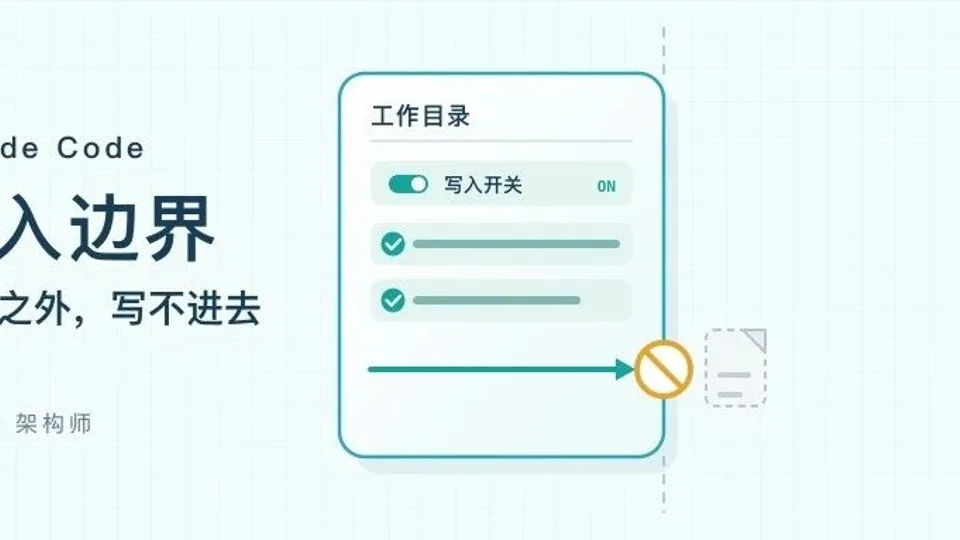
Claude Code 2.1.314 adds a write-boundary switch that blocks file-tool modifications outside the working directory, while Bash sandboxing handles script-driven writes; the article covers configuration, verification, and troubleshooting for both mechanisms.
This article details ten core microservices design patterns — including Database per Service, Event Sourcing, CQRS, Saga, BFF, API Gateway, Strangler, Circuit Breaker, Externalized Configuration, and Consumer-Driven Contract Testing — with pros, cons, use cases, and technology examples for each.
The open-source claude-mem plugin adds persistent cross-session memory to Claude Code by capturing context through five hooks and a background worker, then using a three-tier retrieval system (search, timeline, get_observations) to inject only relevant history into new sessions, reducing token consumption by approximately 10x while supporting tools like Codex, Cursor, and OpenCode.
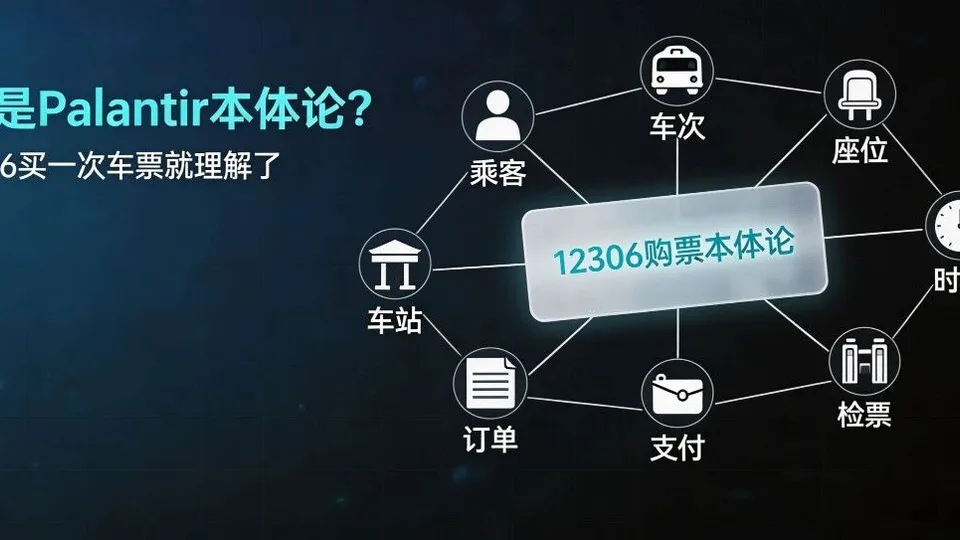
The article explains Palantir's ontology concept using a 12306 train ticket purchase example, breaking down ontology's six components, three-layer architecture, four-level dictionary hierarchy, and mapping to Palantir Foundry terminology.
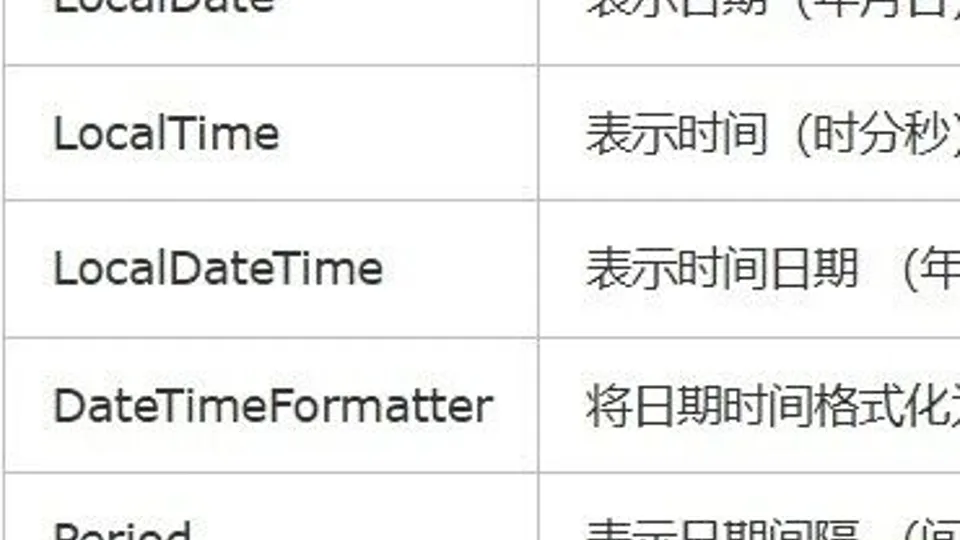
This guide covers Java date/time handling from legacy Date and SimpleDateFormat to modern JDK 8+ APIs including LocalDateTime, DateTimeFormatter, Period, and Duration with practical code examples and conversion techniques.
An open-source Python library built on Polars implements Brinson performance attribution with single- and multi-period models, multiple linking algorithms, multi-account decision attribution, currency and factor extensions, and a novel Behavioral Alpha Frontier visualization, all with minimal dependencies and comprehensive documentation.
This article explains DeepSeek Harness's two core extension mechanisms: services for reusable logic shared across plugins, and event listeners (ctx.on) for observing, intercepting, and rewriting execution flows, with complete code examples for a summarization service and a guardrail plugin.
Phoronix benchmarks reveal Linux kernel defconfig compilation dropped to ~15 seconds on dual AMD EPYC 9575F servers (128 cores) thanks to Kbuild optimizations by Lorenzo Stoakes, including AI-assisted bottleneck analysis, with allmodconfig down to 134 seconds; next-gen hardware may push defconfig under 10 seconds.
The article explains why Agents making decisions on seemingly real-time data can fail due to staleness and inconsistency, and proposes data freshness contracts per use case, versioned responses, write-time validation (version checks, pre-occupancy), and permission revocation propagation to ensure trustworthy data supply.
After upgrading to JDK 27, Lombok 1.18.48 emits four Unsafe warnings during compilation because it uses sun.misc.Unsafe to bypass module access checks; the Lombok team won't fix it to preserve zero-config usability, but adding --sun-misc-unsafe-memory-access=allow to the forked compiler JVM silences the warnings.
The article shares a layered payment reconciliation architecture handling tens of millions of transactions, emphasizing that streaming reconciliation only serves as early warning while offline T+1 batch processing remains the authoritative settlement basis, detailing sharding, parallel scheduling, table designs, comparison logic, and production review checklists.
Node.js 26 becomes Active LTS while Node.js 22 nears end-of-life; key upgrades include a configuration file for CLI flags, synchronous require() loading of most ESM modules, and built-in util.throttle and util.debounce utilities reducing third-party dependencies.
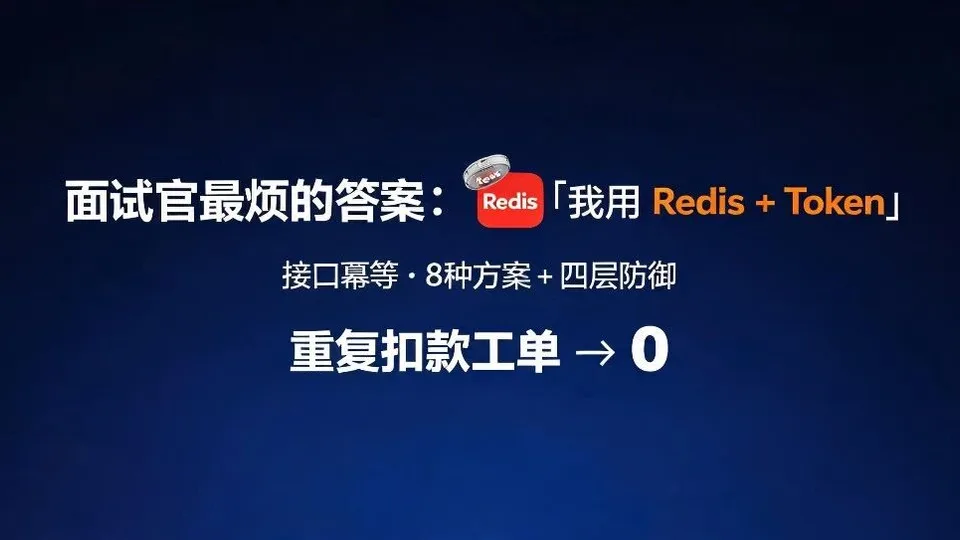
A comprehensive guide to API idempotency covering concept clarification, six sources of duplicate requests, a golden formula (unique key + deduplication storage + atomic operation), four-layer defense architecture, eight implementation patterns with code examples, common pitfalls with solutions, and interview preparation questions.
This tutorial demonstrates how to implement dynamic data source switching in Spring Boot using ThreadLocal and AbstractRoutingDataSource, covering configuration, annotation-based routing via AOP, and runtime data source registration from a database.
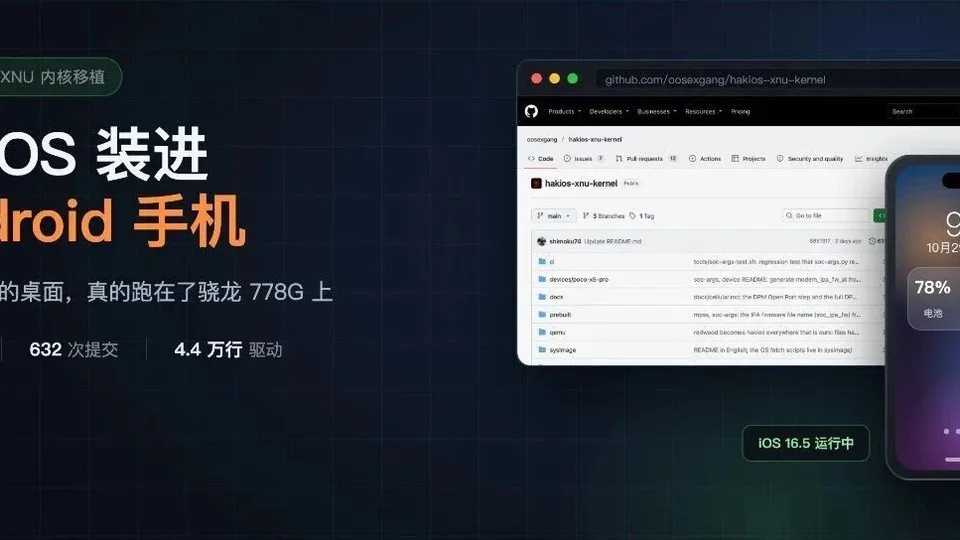
This article details how the HakiOS project ports iOS 16.5 to the Snapdragon 778G-powered POCO X5 Pro, covering the custom bootloader, 22-step Adreno GPU initialization, Mesa graphics stack port to Darwin, 88 QMI service modem bring-up, a six-stage write-gating security design, and unresolved issues like missing Metal and cellular data.