This guide explains how to enable core dumps, preserve debug symbols, and use GDB to analyze C++ memory crashes like null pointer dereferences, heap overflows, and stack overflows, with practical code examples and step-by-step commands.
This article details a production-grade risk control engine built with Spring Boot 3 and Java 17, covering five-layer architecture, DSL-based rule modeling with decision tables, Bloom-filter-accelerated list services, sliding-window real-time feature computation via Redis+Lua, timeout-aware orchestration with tiered degradation, and full decision traceability for audit and tuning.
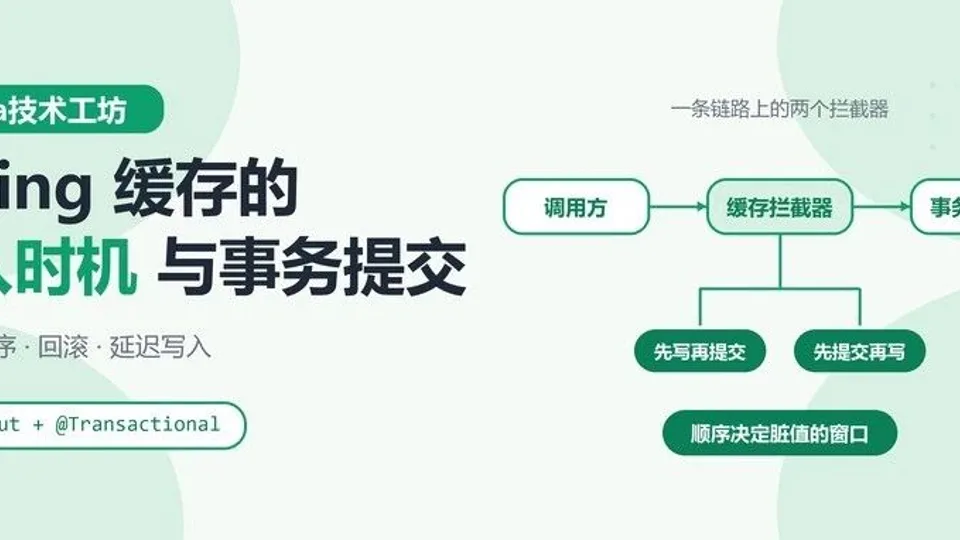
This article explains how Spring's CacheInterceptor and TransactionInterceptor execution order causes cache-database inconsistency when cache writes occur before transaction commit, and presents solutions including explicit order configuration, TransactionAwareCacheManagerProxy, and afterCommit callbacks to ensure cache updates only reflect committed transactions.
This tutorial explains why SpringDoc replaces the deprecated SpringFox for Spring Boot 2.6+/3.x, demonstrates zero-config setup with springdoc-openapi-starter-webmvc-ui 2.5.0, covers programmatic and declarative API grouping via GroupedOpenApi beans or YAML, and shows how to resolve static resource conflicts with WebMvcConfigurer and SpringSecurity permitAll rules for /swagger-ui/**, /v3/api-docs/**, and /webjars/**.
PHP 8.6 introduces partial function application with ? and ... placeholders, a new Time\Duration class for time handling, clamp() for value bounding, readonly properties with defaults, writable constant objects, #[\Override] for constants/enums, __debugInfo() for enums, JSON error location, stream error exceptions, Io\Poll for async I/O, SortDirection enum, URI builder, and numerous performance improvements.
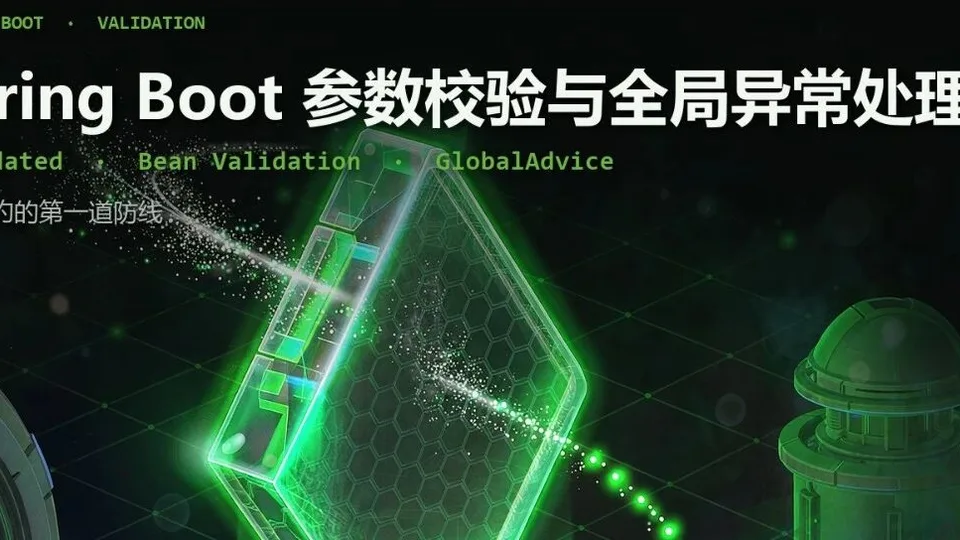
This article dissects Spring Boot's validation system, explaining the dual validation paths for @RequestBody and @RequestParam, the critical differences between @Valid and @Validated, core source code mechanisms, group validation, custom constraints, and a complete global exception handling strategy with a unified error response contract.
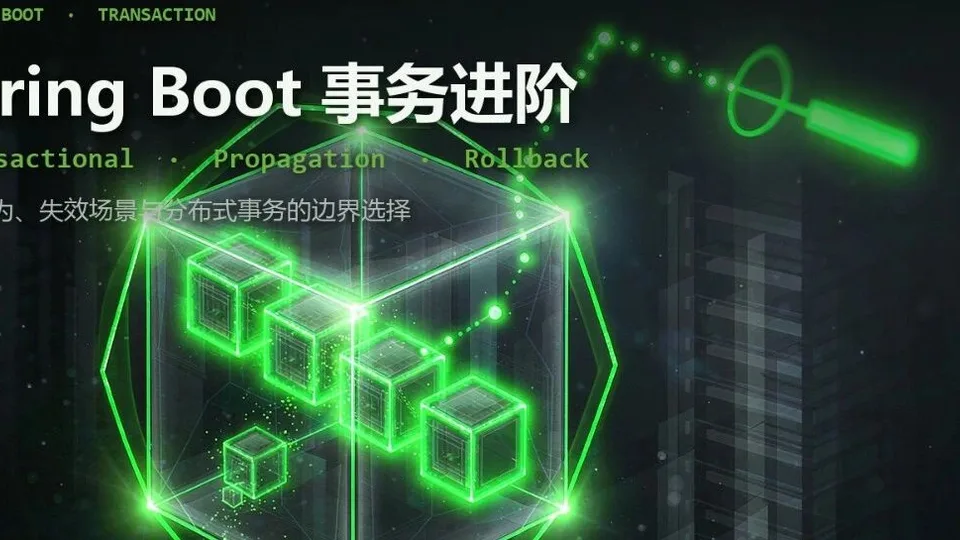
This comprehensive guide dissects Spring Boot's @Transactional annotation, covering seven propagation behaviors, eight failure scenarios with root causes, core source code analysis, and distributed transaction patterns including local message tables and RocketMQ transaction messages, with practical order-inventory-points examples.
Meituan's infrastructure team shares practical experiences using AI for code review, debugging, and automation in distributed storage systems, detailing where AI excels, where it fails due to missing operational context, and methodological principles for combining AI-generated hypotheses with rigorous verification through tests, integration tests, and runtime logs.
This article explains why treating hour-long tasks as extended short requests fails, detailing required patterns: bounded waiting with heartbeats to prevent connection drops, two-level timeouts (per-step and total), partial failure semantics for batch jobs, explicit artifact ownership to avoid cross-session contamination, and acknowledges the critical lack of checkpointing/resume, advising task decomposition instead.
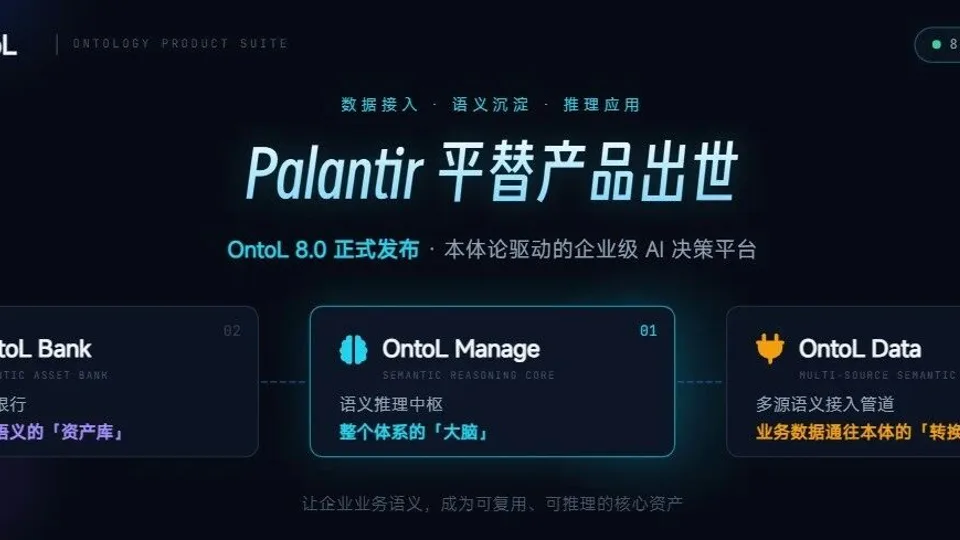
The article argues OntoL 8.0's choice of Memgraph Community Edition and a custom DSL over distributed graph clusters is optimal because ontology workloads fit within single-node capacity, avoiding operational complexity that exceeds organizational maintenance ability, while pushing optimizations to the software layer for sustainable evolution.
This article explains how XXL-JOB v3.1.0+ integrates AI capabilities via built-in handlers for Ollama, Dify, and OpenClaw, allowing AI tasks to be scheduled, retried, and logged alongside regular jobs, with code examples, setup steps, pros/cons, and use cases.
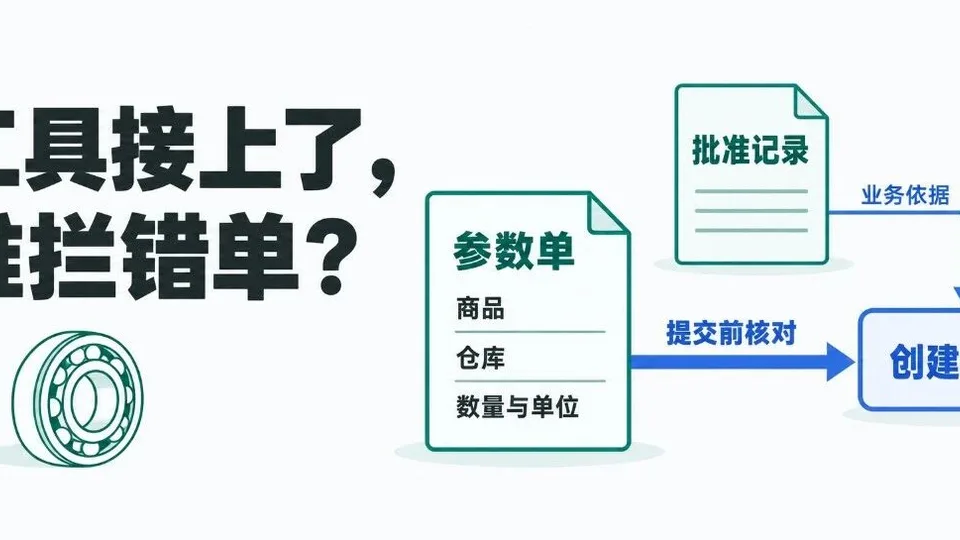
The article explains why Model Context Protocol (MCP) and workflows alone cannot enforce business rules like parameter provenance, approval validation, idempotency, and result verification, using a procurement example to illustrate the need for explicit Action contracts that define conditions, approvals, and error handling.
This article explains how Spring's built-in event mechanism provides a lightweight alternative to message queues for in-process asynchronous decoupling, covering synchronous vs asynchronous handling, transactional event listeners, thread pool configuration, lifecycle events, and when persistent solutions are needed.
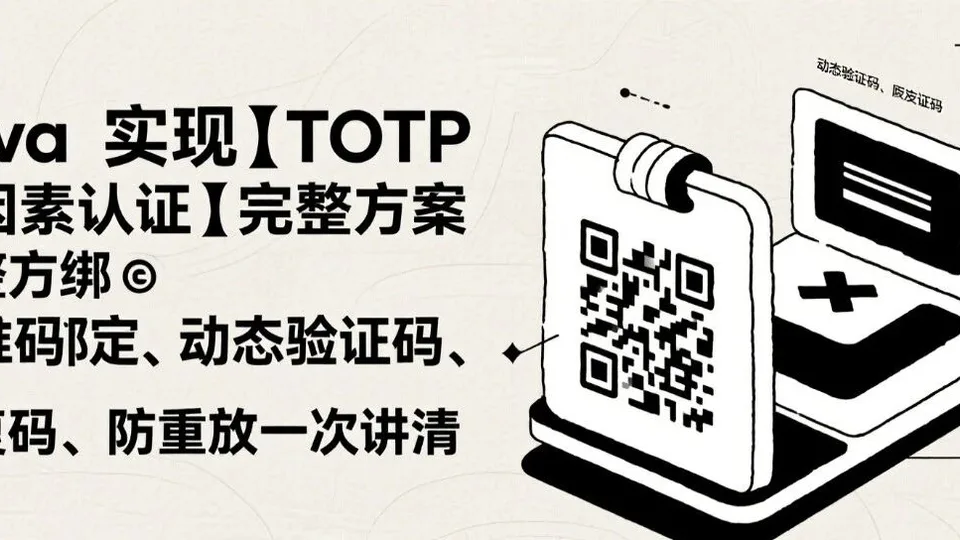
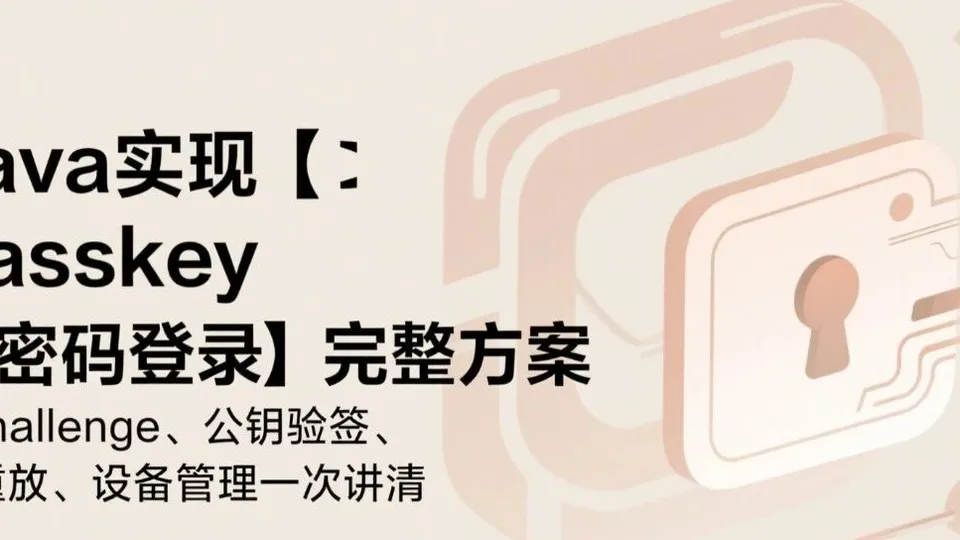
This article provides a complete Java implementation guide for Passkey passwordless authentication, covering credential registration with challenge generation, public key storage, signature verification, anti-replay protection via one-time challenges, multi-device credential management, account recovery considerations, Spring Security WebAuthn integration, and a layered authentication architecture separating auth methods from session management.
The author shares a real incident where AI-generated code caused a production issue, demonstrating that while AI accelerates coding, debugging speed depends on runtime logs; the article outlines five key scenarios requiring logging—data filtering, fallbacks, precondition failures, empty queries, and cross-system calls—to give AI the context needed for rapid root-cause analysis.
This article details integrating DuckDB into Spring Boot for embedded OLAP analytics, covering tenant-isolated connection pools, secure view-based file access, streaming exports via COPY and cursors, SQL injection guards, and performance tuning for ad-hoc Parquet/CSV queries without a separate cluster.
This article provides a comprehensive technical review of Arthas 4, the latest major release of Alibaba's Java diagnostic tool, covering its core capabilities, new JDK 25 support, wall-clock flame graphs, MCP Server for AI-assisted diagnostics, and practical usage scenarios with code examples.