This guide explains that blockchain block creation times are stored as Unix timestamps in seconds, describes the Unix time concept, shows how to convert timestamps in Java from milliseconds to seconds and back, and provides a concrete Ethereum example using Web3.js to fetch a block’s timestamp.
This guide explains why Ethereum node synchronization can be painfully slow in China, introduces the EthFans Spark node list, and provides step‑by‑step instructions for adding a static‑nodes.json file, verifying connections, using console commands, and increasing the maximum peer count to accelerate syncing.
The article explains how Ethereum and Ethereum Classic handle transaction nonces via RPC interfaces, why incorrect nonces cause pending or queued transactions, and provides practical ways to obtain the correct nonce using eth_getTransactionCount to ensure reliable transaction submission.
During Geth fast synchronization, the RPC call eth.blockNumber may keep returning 0 even after some blocks are downloaded, because the node lacks complete block data until the fast‑sync process finishes, causing the latest block number to appear unavailable.
This article compares traditional database implementations with blockchain‑based solutions in a supply‑chain scenario, explaining how a single distributed ledger eliminates data inconsistencies, human error, fraud, intermediary costs, and vulnerability while improving security, transparency, and standardization.
When sending Ethereum transactions via JSON‑RPC, a mismatched nonce can cause the transaction hash to appear while the transaction remains unconfirmed, staying in the queue indefinitely until the nonce order is corrected.
This article uses simple comic-style illustrations to explain the fundamentals of blockchain technology, its fault‑tolerant peer‑to‑peer network, its role as a low‑cost trusted environment for the sharing economy, and its potential impact on finance and distributed computing.
This article presents a side‑by‑side comparison of three major blockchain platforms—Bitcoin, Ethereum, and Hyperledger Fabric—detailing their required cryptocurrencies, network types, permission models, consensus algorithms, smart‑contract support, and primary programming languages, and typical use cases.
This article walks through creating a minimal blockchain in Haskell, covering data structures, serialization, mining logic, difficulty adjustment, and command‑line tools for mining and balance listing, while illustrating core concepts such as Merkle trees, hash functions, and transaction validation.
This article compares Ethereum Wallet (Mist) and Geth, outlining their graphical versus command‑line interfaces, supported operating systems, main features such as account creation, token exchange, smart‑contract deployment, and API access, helping developers choose the appropriate client for building blockchain applications.
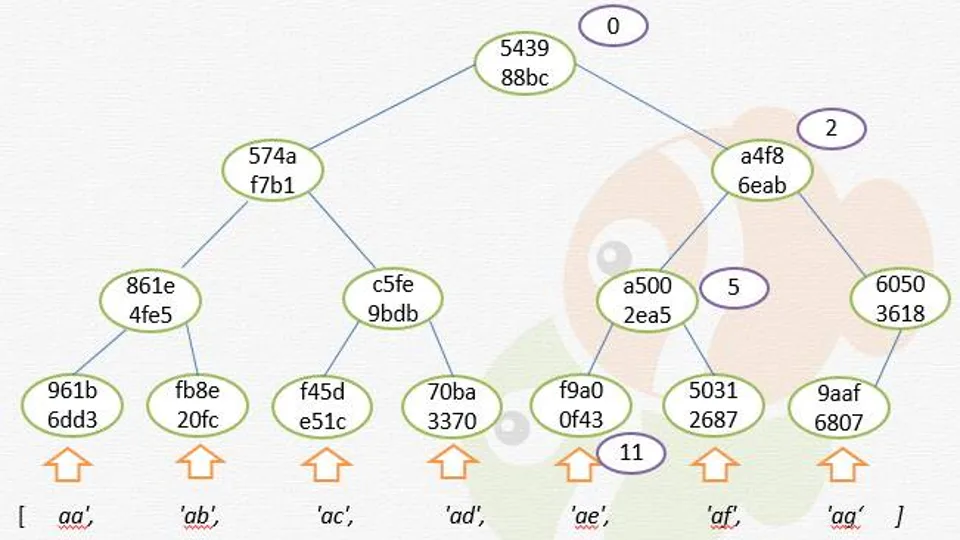
This article introduces the origin and key alliances of blockchain, explains its core characteristics such as decentralization, consensus mechanisms and transaction transparency, and provides a detailed description of the Merkle Tree algorithm, its implementation, verification steps, and applications in distributed file synchronization.
This article uses a simple village story to explain Bitcoin’s origins, the transition from barter to commodity and fiat money, the creation of a decentralized virtual currency, the roles of miners, transaction verification, and the security mechanisms that keep the network trustworthy.
The article examines the public dispute between SF Express and Alibaba's Cainiao over data interfaces, explores privacy and security concerns in logistics, proposes a shared platform model, and highlights blockchain as a potential solution for safeguarding user information in the era of big data and IoT.
This article explains how blockchain, originating from Bitcoin, serves as a distributed ledger that reduces trust costs in complex multi‑party business scenarios, outlines public, private and consortium chain models, and details how a dedicated blockchain gateway integrates seamlessly with microservice architectures for reliable communication, event handling, data consistency and reconciliation.
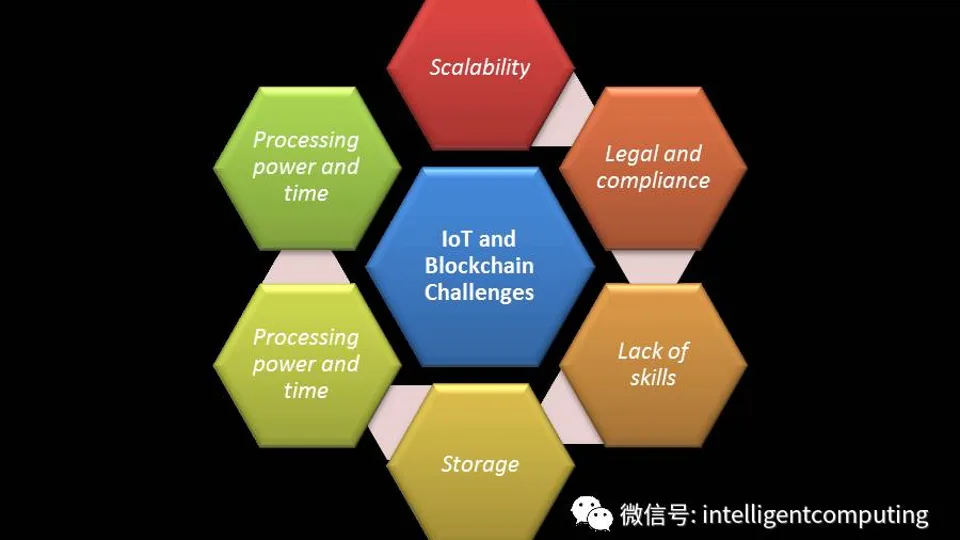
The article examines the rapid growth of IoT, the security risks of centralized architectures, and how blockchain technology can provide a decentralized, tamper‑proof ledger to improve trust, reduce costs, and enable secure device communication, while also outlining the scalability, performance, storage, skill, and regulatory challenges that must be addressed.
Ant Financial’s chief architect discusses the practical challenges of bringing blockchain to real‑world business, criteria for selecting a blockchain platform, and concrete public‑welfare use cases, highlighting trust, scalability, and security considerations for 2017 and beyond.
Blockchain, originally devised to address the Byzantine Generals problem, has gained momentum through fintech applications; its hallmark decentralization brings both innovative potential and technical as well as security challenges, all of which are illustrated in the accompanying diagrams.
In this interview, blockchain specialist Zou Jun defines blockchain as an immutable, append‑only distributed ledger, explains its technical foundations, compares it with traditional databases, discusses public, consortium and private chain use cases, security concerns, and future prospects beyond finance.
This comprehensive Ethereum FAQ explains what Ethereum is, key client tools like Geth and Mist, storage options for large files, security considerations, scalability plans, and practical how‑tos for accounts, transactions, and contract interactions.
This article introduces blockchain fundamentals, explains Bitcoin and its protocol, compares public, private and consortium chains, then dives into Ethereum 2.0 concepts, consensus mechanisms, and provides a step‑by‑step tutorial for building a local test network, compiling geth and solc, and deploying a simple Solidity contract.