In this in‑depth interview, senior designer Liang Yulong shares his five‑stage design career, contrasts blockchain UI with traditional finance, explains the visual shift from crypto to fast‑play games, and offers advice on cross‑industry growth, skill development, and recommended reading.
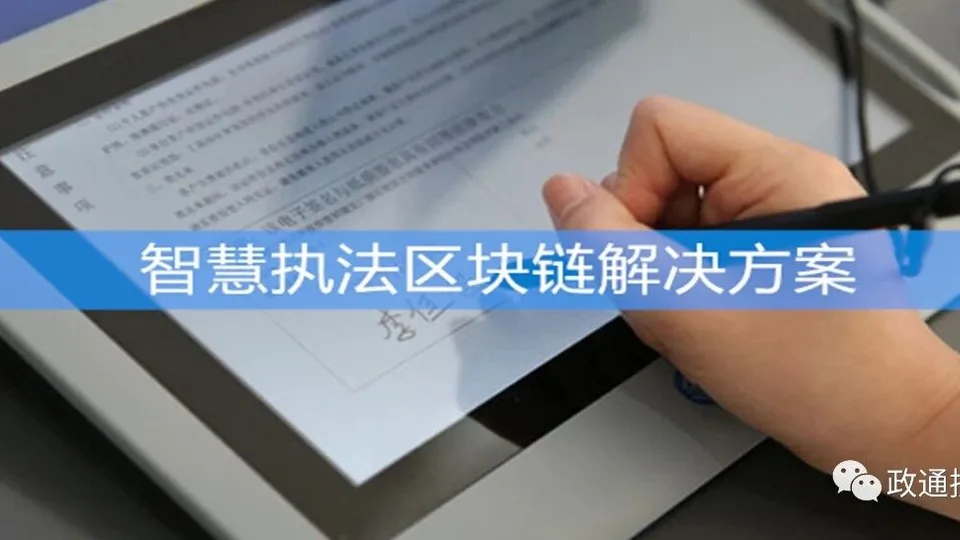
This article describes a technical solution that combines a custom Android handwritten signature component with blockchain storage to ensure electronic document authenticity, prevent tampering, support multi‑level approval, and enable seamless signing across mobile and web platforms.
Unlike traditional client‑server databases, blockchain stores data across decentralized nodes, offering built‑in security and immutable history, but at the cost of slower performance and limited confidentiality, making it suitable for specific record‑keeping functions while centralized databases excel in speed and controlled access.
The article explains blockchain as a decentralized, tamper‑proof distributed ledger built from a peer‑to‑peer network, block structure, consensus, cryptography and smart contracts, outlines its evolution from information to value internet, classifies public, consortium and private chains, and details Tencent Cloud’s BaaS platform, Zhixin Chain evidence services, and various technical solutions and use‑cases such as data integrity, supply‑chain traceability and asset tokenization.
This article explains why blockchain technology is driving a fundamental shift in supply chain collaboration, detailing its immutable and traceable features, the challenges of traditional Chinese supply chains, and the three major transformations—transparent processes, network expansion, and collaborative win‑wins—that blockchain enables.
Tencent Cloud Blockchain Engine delivers a high‑performance, secure, and scalable three‑layer SMR architecture that enables massive cross‑organizational collaboration through hierarchical governance, BFT consensus, homomorphic encryption, zero‑knowledge proofs, and efficient cross‑chain transaction and identity management, supporting 20,000+ TPS and diverse government, education, healthcare, and copyright use cases.
Blockchain combines peer‑to‑peer networking, cryptographic hashing, consensus and smart contracts to create immutable, traceable, shared ledgers, classified as public, consortium or private chains, enabling trustless value transfer and tokenized assets across banking, judicial and supply‑chain applications, with Tencent Cloud providing tailored solutions that support China’s national strategy for efficient, low‑cost asset highways.
This article explains Bitcoin by distinguishing the digital token from its underlying protocol, describes its decentralized network, limited supply, pseudonymous usage, immutability, divisibility, and how it differs from traditional fiat currencies, providing a clear introductory overview of cryptocurrency fundamentals.
This article provides a clear, beginner‑friendly explanation of blockchain technology, covering its nature as a decentralized distributed database, the structure of blocks and hashes, the mining process with difficulty adjustment, and how forks are resolved, while highlighting its advantages and limitations.
This report compiles interviews with 13 technology CEOs to reveal how the pandemic disrupted blockchain, IoT, logistics and remote collaboration projects, and outlines emerging opportunities such as charitable blockchain applications, smart‑manufacturing, digital‑collaboration platforms, and the role of new infrastructure in revitalising growth.
This article examines how Tencent, China NetSec, and Beiming Software built the ZhiXinChain blockchain platform to create immutable digital evidence for copyright protection, detailing the technology, workflow, benefits, and future possibilities for the content industry.
The People's Bank of China has published the JR/T 0184‑2020 Financial Distributed Ledger Technology Security Specification, the country's first blockchain‑related standard for the financial sector, with JD Digital Technology playing a key drafting role and industry experts predicting it will steer the sector away from chaotic growth.
This article explains blockchain fundamentals, describing its structure as a decentralized distributed database, the composition of blocks, hash functions, the mining process, Bitcoin’s application, and the technology’s key advantages and drawbacks, providing a concise beginner’s overview.
Chen Hao’s lecture explains how blockchain transforms virtual open‑world games by enabling true ownership of digital assets, tokenizing land and items, fostering community‑driven development, standardizing portable NFTs, and reshaping game architecture to extend lifecycles beyond centralized platforms, illustrated through examples like Cryptovoxels and earlier sandbox worlds.
This article presents a comprehensive overview of blockchain technology, its strategic importance in China, its technical fundamentals, and how its features such as multi‑party maintenance, immutability, and smart contracts can be applied to improve transparency, efficiency, and trust in public‑welfare platforms, especially in the post‑COVID‑19 era.
Compiled from public sources by Ju Jianhua, this article examines how trading platform architectures evolve with business growth, using a series of illustrative diagrams to highlight key components, design patterns, and considerations for building scalable and secure exchange systems.
The article examines the shared and divergent aspects of blockchain and databases, outlining three ideal blockchain scenarios, comparing transaction management, consensus algorithms, and programming paradigms, and exploring performance, multi-version control, and future integration possibilities between the two technologies.
The article explains Coinbase’s unique security and infrastructure requirements for blockchain nodes, describes the challenges of blue‑green deployments, and details the Snapchain system built on AWS that enables fast, reliable snapshot‑based node provisioning, upgrades, and high‑availability scaling.