This tutorial explains blockchain fundamentals, its decentralized and tamper‑proof nature, and walks through a complete Java implementation—including block structure, hash calculation, mining, validation, and testing—while also covering advanced topics such as consensus algorithms, transaction verification, node types, real‑world applications, and essential development tools.
In this speech, JD Chain chief architect Huang Haiquan discusses three core blockchain questions, JD's blockchain architecture and practice, and introduces the JD Chain open-source project, highlighting use cases such as vaccine traceability and outlining the evolution of next‑generation blockchain architecture.
The article reviews the fundamentals of blockchain cross‑chain technology, compares major approaches, explains IRISnet and Cosmos’s IBC‑based solution, and illustrates practical use cases such as supply‑chain finance and smart healthcare enabled by the iService framework.
This article examines Suning Retail Technology Research Institute's analysis of blockchain technology in retail supply chains, outlining current challenges, blockchain's core features, typical applications such as product traceability and smart contracts, real‑world case studies, and future outlook for industry adoption.
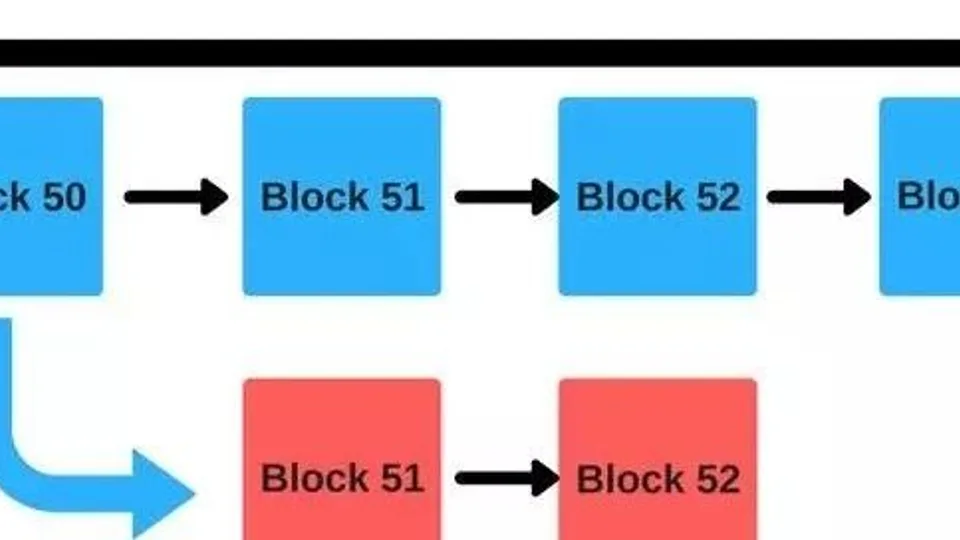
This article provides a clear, beginner‑friendly explanation of blockchain as a decentralized distributed database, covering its essential structure, hash‑based immutability, mining difficulty, fork resolution, and why its practical use cases remain limited.
The talk outlines how recent privacy regulations like GDPR expose data sovereignty, jurisdiction, and fines, then explains how blockchain’s distributed ledger, consensus, smart contracts, and cryptographic techniques—including homomorphic encryption and zero‑knowledge proofs—address trust gaps and privacy challenges, illustrated with real‑world financial use cases and a telecom‑backed BaaS platform.
This guide explains how to quickly deploy a JD Chain blockchain environment by downloading the peer and gateway packages, configuring ports, initializing nodes, creating keys and ledgers, and launching management tools, providing step‑by‑step commands and screenshots for a complete setup.
This article examines Libra’s mission to create a borderless digital currency, outlines its blockchain architecture, consensus mechanism, Move language, and governance, and critically evaluates whether its technical design can realistically address the high‑cost financial services faced by the world’s poor.
JD Chain, JD Digital Technology’s open‑source blockchain engine announced in 2019, offers enterprise‑grade features such as modular cryptographic algorithms, pluggable consensus protocols, key‑value ledger model, flexible storage, and comprehensive APIs, aiming to accelerate blockchain adoption across diverse business scenarios.
This tutorial walks you through installing Bitcoin Core 0.18 on a Linux server, covering prerequisite packages, downloading and extracting the source code, building Berkeley DB, configuring and compiling the client, creating a configuration file, and starting or stopping the daemon.
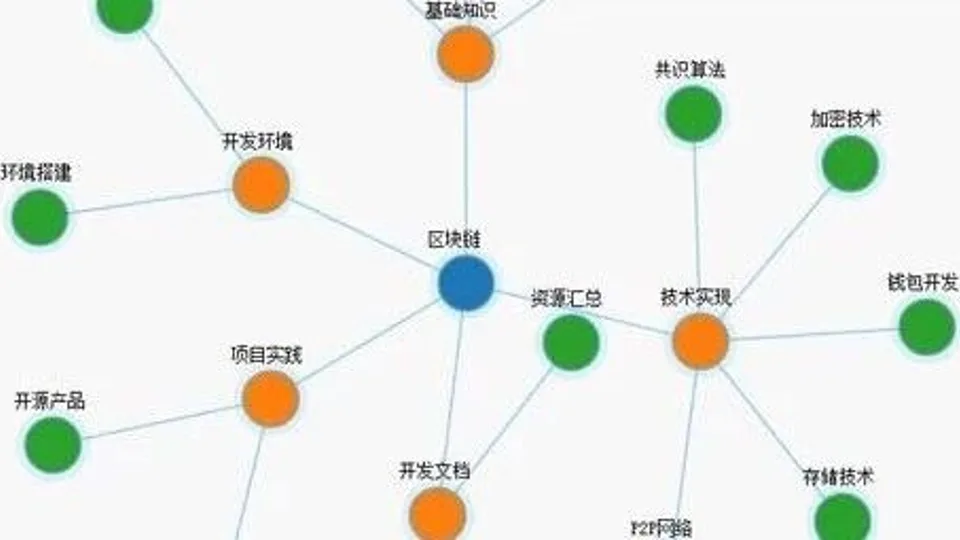
This article explains the fundamental concepts of blockchain, outlines its three-layer architecture (protocol, extension, application), reviews typical language‑specific implementations, and presents a knowledge‑map that helps developers systematically study and build blockchain‑based products.
This article provides a comprehensive overview of blockchain technology, covering its fundamental concepts, layered architecture (protocol, extension, and application layers), implementation details across various programming languages, and a knowledge map to help developers understand and build blockchain-based products.
This article explores blockchain programming fundamentals, compares public and permissioned chains, reviews major development platforms, and evaluates the top five languages—C++, JavaScript, Python, Go, and Solidity—highlighting their strengths, weaknesses, and real‑world blockchain applications.
This article explains how to augment Hyperledger Fabric's orderer service by integrating Tendermint's ABCI to implement a PBFT consensus mechanism, detailing the limitations of solo and Kafka ordering, the motivation for decentralized ordering, and the step‑by‑step implementation approach.
This article provides a comprehensive overview of the Cosmos blockchain ecosystem, explaining its hub‑and‑zone architecture, Tendermint consensus, IBC cross‑chain communication, and the Cosmos‑SDK framework for building custom blockchains, while comparing it to other modular platforms like Polkadot.
This article surveys thirty major blockchain and DAG consensus algorithms, detailing each method's advantages, disadvantages, typical users, and classification, while explaining how these mechanisms underpin decentralized trust and security across distributed ledger platforms.
This article shares the practical experience of rapidly designing and launching the "Magic Jianghu" blockchain mini‑program, offering five actionable tips on collaborative design, information architecture, speed‑first development, modular UI, and focused visual reviews to help teams deliver blockchain products efficiently.
This article introduces the rapid rise of blockchain technology beyond cryptocurrencies, explains smart contracts, and presents ten widely used tools—including Remix IDE, Solidity compiler, Solium, Parity, Geth, MetaMask, Truffle, and DAppBoard—plus additional resources, helping developers choose the right solutions for their projects.
This article provides a comprehensive overview of blockchain technology, explaining its structure, cryptographic foundations, and how Bitcoin and Ethereum operate, including mining, transaction processes, smart contracts, and ICOs, while also highlighting regulatory concerns and common misconceptions.
In this Fast Q&A episode, the author outlines a two‑layer view of blockchain technology, recommends learning resources for front‑end engineers entering DApp development, and offers practical career advice for junior front‑end developers facing interview challenges and job‑search decisions.