This guide walks through implementing a GitOps workflow for Kubernetes using Argo CD, covering repository structure, Helm chart management, permission boundaries, Argo CD installation, application manifests, CI integration, troubleshooting OutOfSync states, and handover procedures, all with concrete commands and examples.
A comprehensive guide to running Spring Boot reliably on Kubernetes covering layered Docker image builds, JVM container-aware memory and CPU configuration, OOMKilled root-cause analysis using Native Memory Tracking and heap dumps, Prometheus monitoring integration, and Cloud Native Buildpacks for automated CI/CD pipelines.
The article walks through the entire Kubernetes storage lifecycle, explaining how Volumes, PersistentVolumeClaims, PersistentVolumes, StorageClasses and CSI interact, and shows real‑world production scenarios, common pitfalls, and practical guidance for designing reliable, scalable storage solutions for stateful workloads.
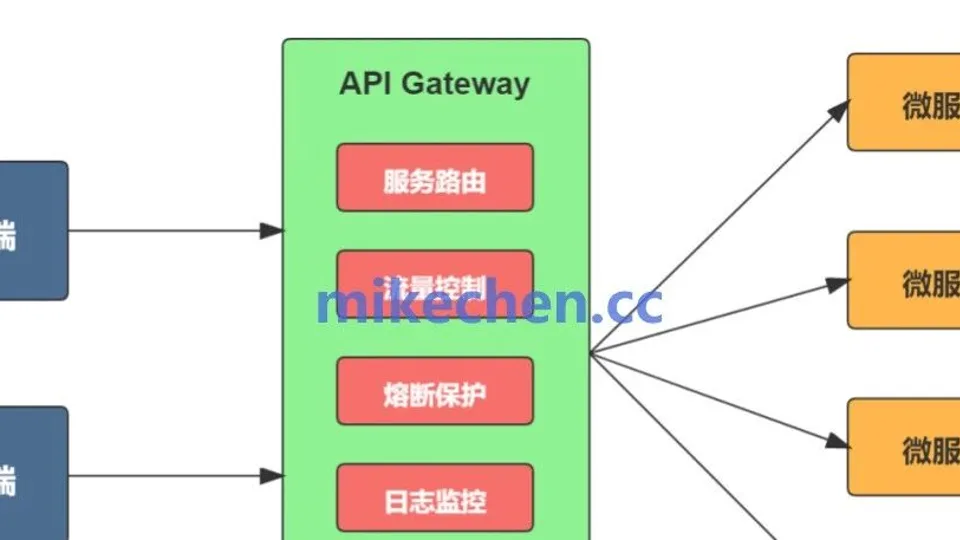
The article explains that achieving stable performance for Spring Cloud Gateway at a million‑request scale requires a reactive non‑blocking model, comprehensive rate‑limiting and circuit‑breaker mechanisms, and optimized connection management and routing to handle high concurrency efficiently.
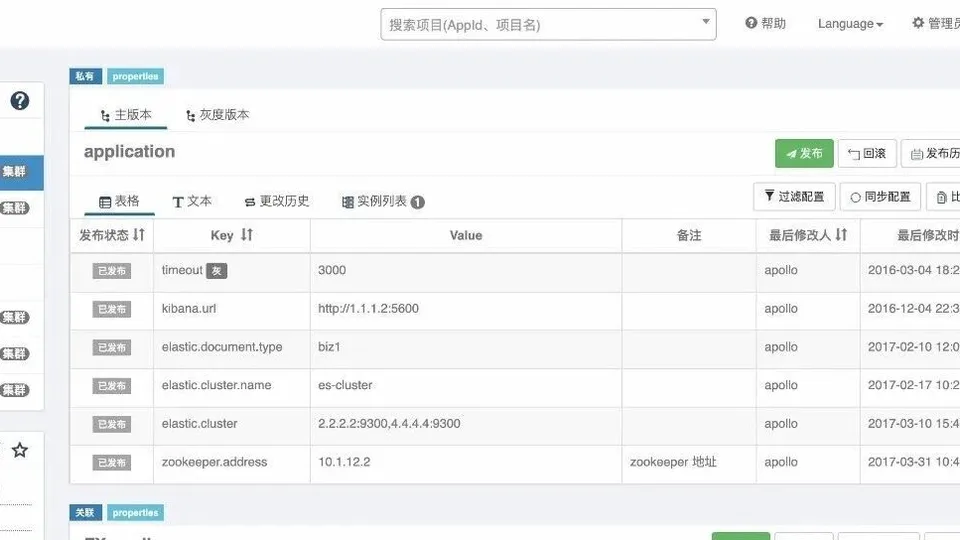
This article analytically compares Apollo and Nacos—two leading configuration centers for microservices—by examining their design philosophies, setup procedures, core features, real‑time push mechanisms, data models, performance, operational overhead, and community support, ultimately offering guidance on selecting the most suitable solution for different project scenarios.
Brendan Burns recounts how he convinced Google to back Kubernetes, built the MVP in five days, navigated open‑source governance, tackled technical challenges like Etcd and declarative design, expanded the platform for AI workloads, and reflects on why even successful software like Kubernetes inevitably faces obsolescence.
This guide walks through configuring Kubernetes Horizontal Pod Autoscaler, covering prerequisite checks, proper CPU request settings, creating CPU‑based and custom‑metric HPA objects, stability tuning, rollout interactions, observation techniques, and risk‑aware acceptance and rollback procedures.
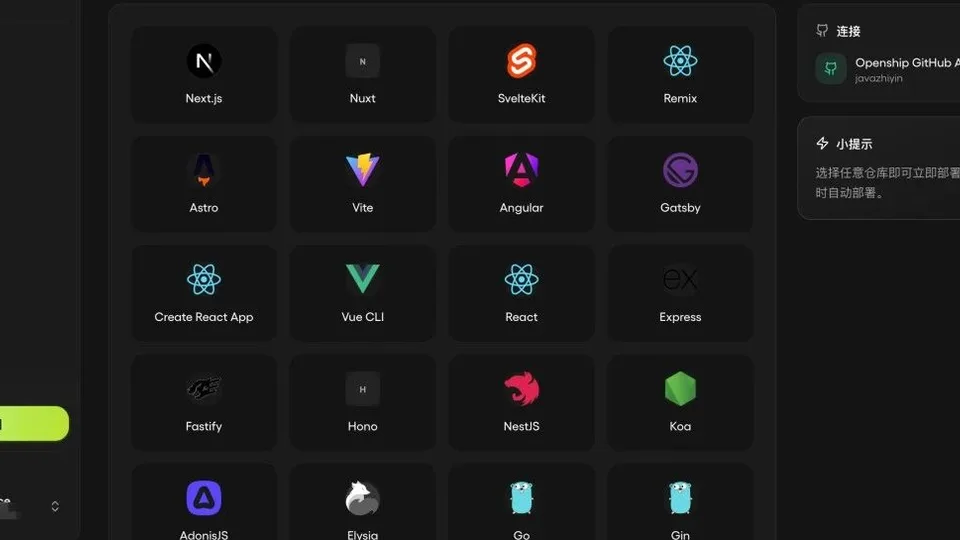
OpenShip is an open‑source, self‑hosted deployment platform that eliminates YAML pipelines, automatically detects project stacks, bundles CI/CD into a clean desktop app, and provides web, CLI, and dashboard interfaces for managing builds, routing, certificates, databases, and scaling—all with a single command.
The article analyzes how agents transition from demo to production, revealing that beyond model capabilities, stability, elasticity, security, and governance become critical, and explains the engineering challenges and solutions—including session management, state persistence, scheduling mismatches, sandbox isolation, and open‑source strategies—that underpin Tencent Cloud's Agent Runtime.
This comprehensive guide explains how Pyrra extends Sloth by providing a full SLO platform for Kubernetes, covering its architecture, four SLI types, rule generation, Web UI features, alert configuration, deployment options, Grafana integration, advanced usage, common pitfalls, and a detailed comparison to help you choose the right tool for reliable service monitoring.
This guide walks through configuring a local Docker/Compose environment that provides accessible Harbor, GitLab (with a shared Runner), and Jenkins, demonstrates a push/pull test on Harbor, runs a minimal GitLab CI pipeline, and validates a simple Jenkins pipeline, while covering prerequisites, host configuration, installation steps, verification, troubleshooting, and cleanup.
This article explains the correct ways to view container logs in Kubernetes, covering the underlying storage mechanism, kubectl log commands, log rotation, distributed log collection architectures like EFK and Loki, best‑practice recommendations, and detailed troubleshooting steps for common log‑related issues.
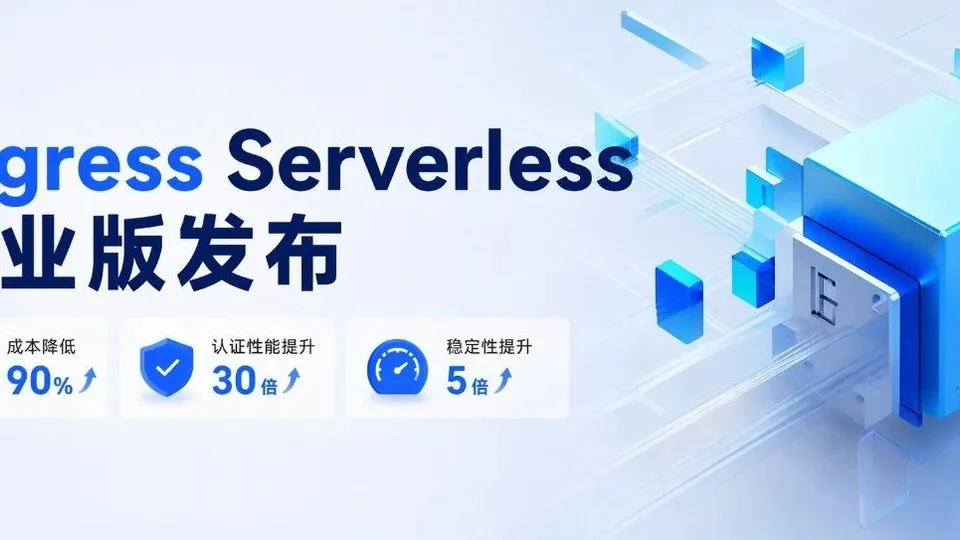
A SaaS platform’s consumer count surged from 200 to nearly 20,000, causing open‑source Higress authentication latency to jump 34‑fold and configuration size to balloon 8,457‑fold, while a local comparative test shows the Higress Enterprise Serverless edition maintains sub‑2 ms latency, 100 % success, tiny config footprints, and up to 90 % lower annual costs.
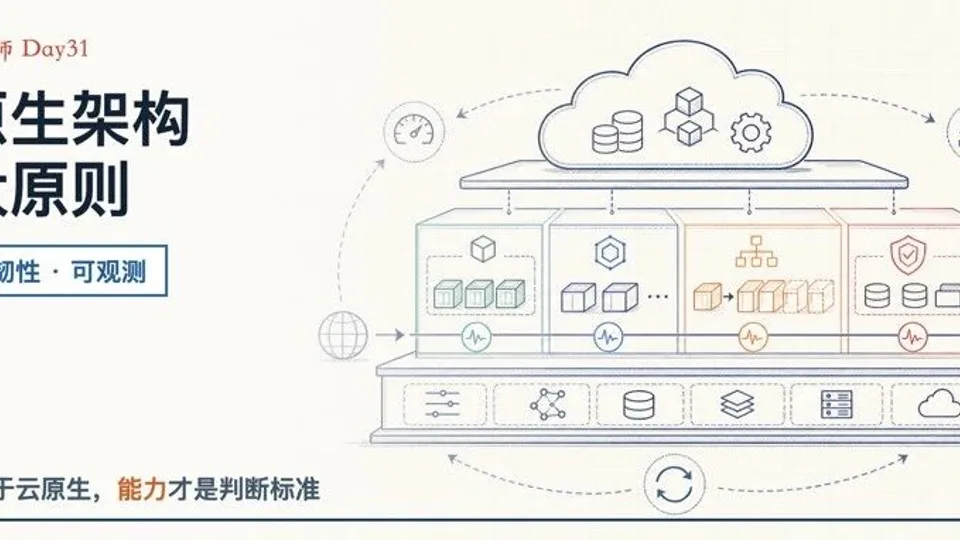
Moving an application to cloud VMs and Docker does not automatically grant cloud‑native capabilities; this article explains the seven cloud‑native principles—service‑orientation, elasticity, observability, resilience, full automation, zero‑trust, and continuous evolution—using concrete e‑commerce scenarios, tables, and step‑by‑step guidance to show how each principle solves specific problems and how they interrelate.
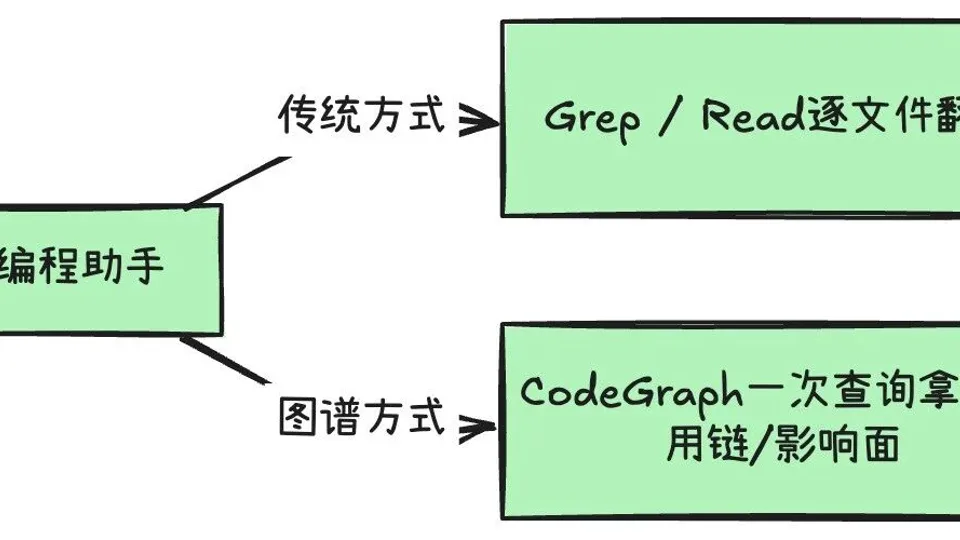
The article explains how Joy-Code-Graph transforms AI code assistants from blind guesswork into globally aware tools by deploying a self‑hosted, cloud‑native code graph service that integrates directly with Joygen, offers zero‑install sandbox access, and persistently stores the graph in a dedicated repository branch.
This article presents a hands‑on guide to diagnosing Kubernetes production failures, distilling a real e‑commerce outage into 20 actionable rules that cover nodes, control plane, networking, scheduling, storage and observability, and provides a step‑by‑step diagnostic workflow with concrete commands and examples.
The article recounts a real‑world outage caused by Eureka’s self‑protection mode, then establishes five key evaluation dimensions for service discovery, provides a detailed side‑by‑side analysis of Eureka, ZooKeeper and Nacos—including design goals, failure modes, scalability and operational features—and offers concrete guidance on selecting, configuring and migrating to the most suitable registry for production micro‑service environments.
This guide explains how to schedule large‑model inference pods onto GPU nodes that meet exact hardware requirements—such as A100 80 GB cards, specific node pools, and zones—by converting those needs into Kubernetes node‑affinity, taint, and topology constraints, verifying the deployment, monitoring its health, and safely rolling out or rolling back changes.
The article explains how to replace CPU‑only autoscaling for large‑model inference services with a Kubernetes HPA that scales pods according to a custom queue‑depth metric exported to Prometheus, covering metric definition, deployment configuration, Prometheus‑Adapter setup, HPA creation, capacity calculation, validation, troubleshooting, and rollback procedures.
After a 15‑fold traffic surge forced manual scaling of an e‑commerce platform, the team rebuilt the system with true elastic scaling—horizontal, vertical, and architectural—using Kubernetes, Envoy, KEDA, predictive autoscaling, and a comprehensive observability stack, achieving fully automated scaling from 12 to 80 pods in under 90 seconds and cutting peak resource costs by 60%.