Airbnb’s Sitar platform demonstrates how a modern dynamic configuration system can provide safe, reliable, and flexible runtime changes through a Git‑centric workflow, multi‑tenant control and data planes, staged rollouts, rapid rollback, and local caching, balancing developer agility with operational stability.
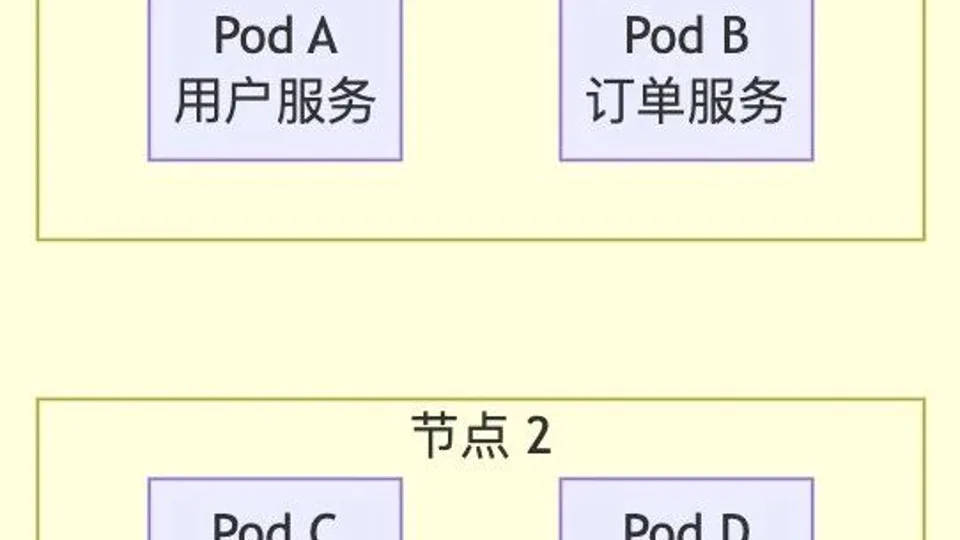
The article explains how Kubernetes can ensure pod availability for stateless services but fails to preserve critical state for Canal Server, illustrating the need for external coordination tools like Zookeeper or Nacos to achieve true high‑availability for stateful applications.
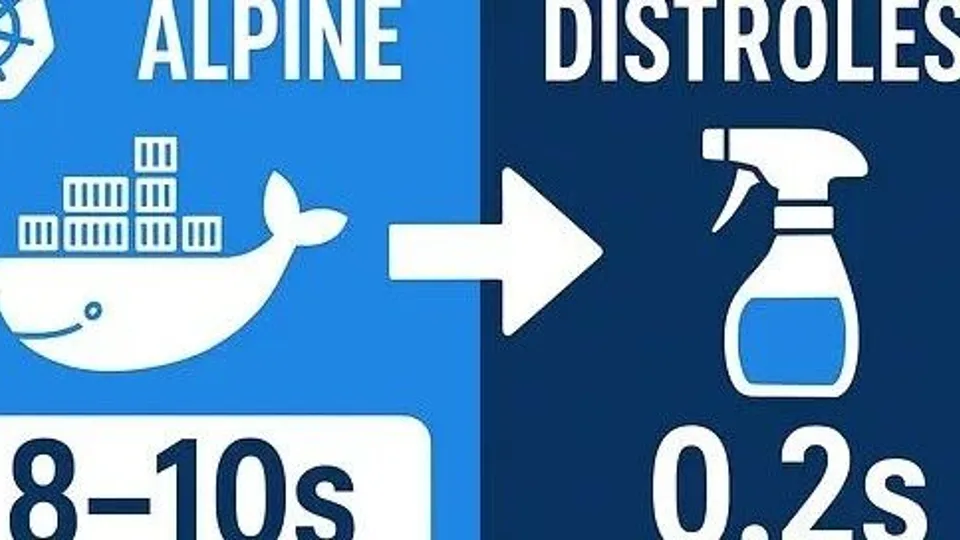
After building a fast Rust microservice, the team discovered Kubernetes pods took 8‑10 seconds to start due to Alpine‑based images; switching to minimal Distroless containers and static linking reduced the image size from 40 MB to 6.7 MB, cut cold‑start time to ~1.2 seconds, lowered memory usage, and improved security.
A colleague’s vivid analogy explains Docker images as static snapshots and containers as running instances, then walks through Dockerfile creation, the "run anywhere" promise, Kubernetes Pods as the smallest scheduling unit, and the core management functions K8s provides for large‑scale deployments.
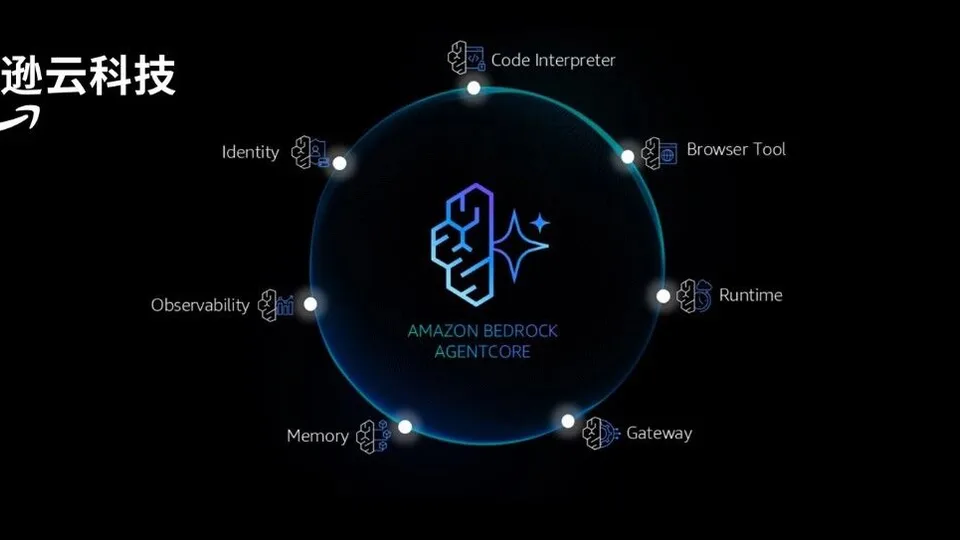
The article shows how to combine Claude Agent SDK, Amazon Bedrock, and AgentCore Runtime to move a locally‑developed agent into a stable, observable, and scalable production environment, covering architecture, CRIS choices, code examples, packaging, deployment steps, IAM setup, and best‑practice insights.
This comprehensive Docker tutorial walks readers through core concepts, installation, image management, networking, security, and low‑level implementation details, includes hands‑on examples such as building images with Dockerfile and integrating with Mesos, and provides ready‑to‑copy code for ops and backend engineers.
Facing explosive growth, the game‑service platform 悠悠有品 rebuilt its architecture on Alibaba Cloud, using RocketMQ for core transaction messaging and Kafka for data synchronization, achieving elastic scaling, high availability, cost reduction, and reliable high‑concurrency processing across its trading and analytics pipelines.
The article explains why a service instance marked offline in Nacos can still receive traffic due to client‑side cache delays and UDP push loss, and it presents step‑by‑step loss‑less shutdown solutions using Kubernetes PreStop hooks, client retries, and Spring Boot graceful shutdown.
This guide compiles 100 practical kubectl commands for diagnosing Kubernetes clusters, covering cluster info, pod inspection, service checks, deployments, statefulsets, ConfigMaps, Secrets, and more, providing concise examples for each operation and troubleshooting.
This article compares four microservice deployment models—single‑machine multi‑process, containerized, serverless, and Kubernetes‑based orchestration—detailing their architectures, advantages, drawbacks, and ideal use cases for modern cloud‑native applications.
The article explains how distributed systems detect silently dead nodes using heartbeat mechanisms—both push and pull models—covers trade‑offs between interval and timeout, introduces advanced detectors like Cassandra's Φ, gossip protocols, and quorum rules, and shows real‑world implementations in Kubernetes and etcd.
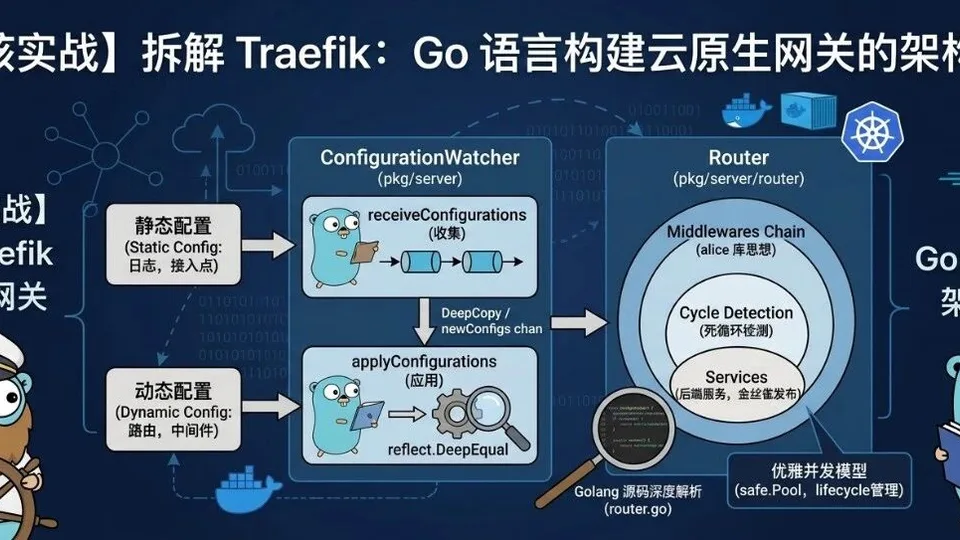
This article provides a senior Go engineer’s deep dive into Traefik’s source code, explaining the configuration hot‑reload engine, routing dispatch mechanism, and graceful concurrency model, and shows how to tune the proxy, build custom plugins, and apply the concepts to production‑grade Go services.
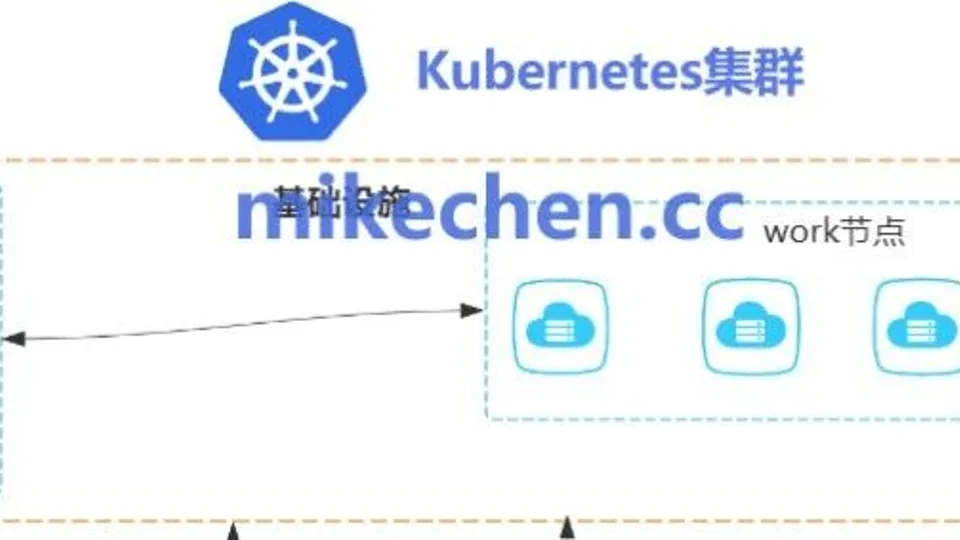
This article provides a comprehensive, step‑by‑step explanation of Kubernetes (K8s) architecture and operation, covering the control plane components, node components, data flow, and the detailed workflow from a kubectl command to a running pod, illustrated with diagrams and ASCII schematics.
The article analyzes common misconceptions and hidden costs of serverless adoption, outlines four critical steps from PoC to production, and presents five enterprise‑grade best practices—including scenario selection, framework usage, observability, security, and cost governance—to ensure reliable, cost‑effective serverless deployments.
Traffic swimlanes provide logical isolation for microservice requests by tagging, propagating, and routing traffic based on lane metadata, enabling cost‑effective testing environments, canary releases, A/B testing, full‑link load testing, and parallel development while reducing resource consumption and improving stability.
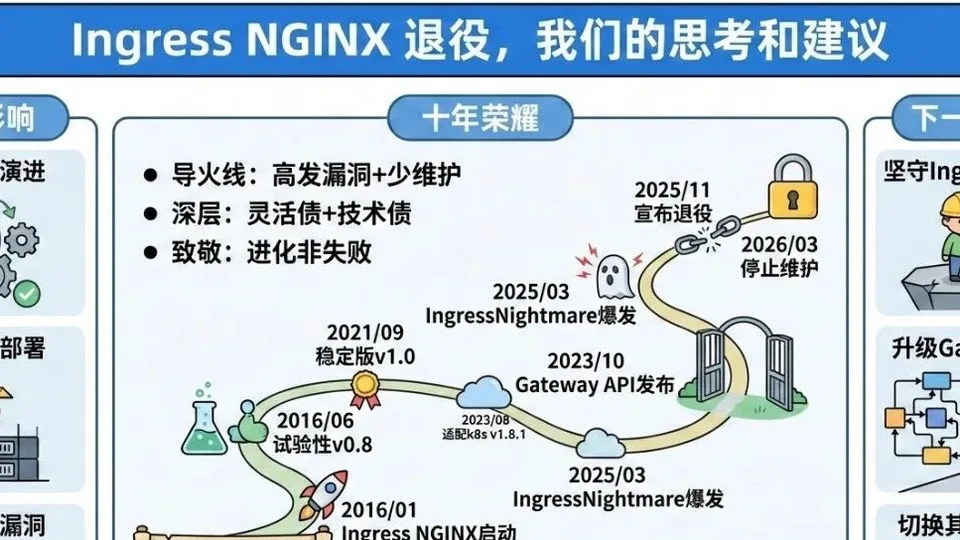
The article analyzes the retirement of Ingress NGINX, explains the security flaws, architectural debt, and community constraints that led to its end‑of‑life, and compares migration paths—including staying with NGINX, moving to Gateway API, or adopting Alibaba Cloud ALB Ingress—so engineers can make an informed decision.
The article explains that Nacos‑based service deregistration is not instantly reflected in client load‑balancer caches due to periodic polling and unreliable UDP pushes, leading to a delay where gateways still route requests to a terminated instance, and then presents step‑by‑step lossless shutdown solutions for small teams and large‑scale deployments.
This guide walks through Kubernetes pod lifecycle phases, container states, restartPolicy options, health‑check probes, lifecycle hooks, init containers, common troubleshooting scenarios such as CrashLoopBackOff, Pending and Stuck Terminating, and provides best‑practice recommendations for configuration, graceful shutdown, resource limits and monitoring.
This article explains the unique challenges of using message queues for AI inference workloads, why traditional throttling methods fall short, and how Apache RocketMQ 5.x's LiteTopic introduces lightweight topics, fine‑grained flow control, physical isolation, and consumption suspension to achieve millisecond‑level real‑time throttling and minute‑level busy‑idle scheduling.
An easy-to-understand walkthrough explains Docker images as static system snapshots, containers as runnable instances, Dockerfile and docker‑compose recipes, and how Kubernetes Pods orchestrate containers, highlighting why these tools enable “run anywhere” deployment and scalable management across clusters.