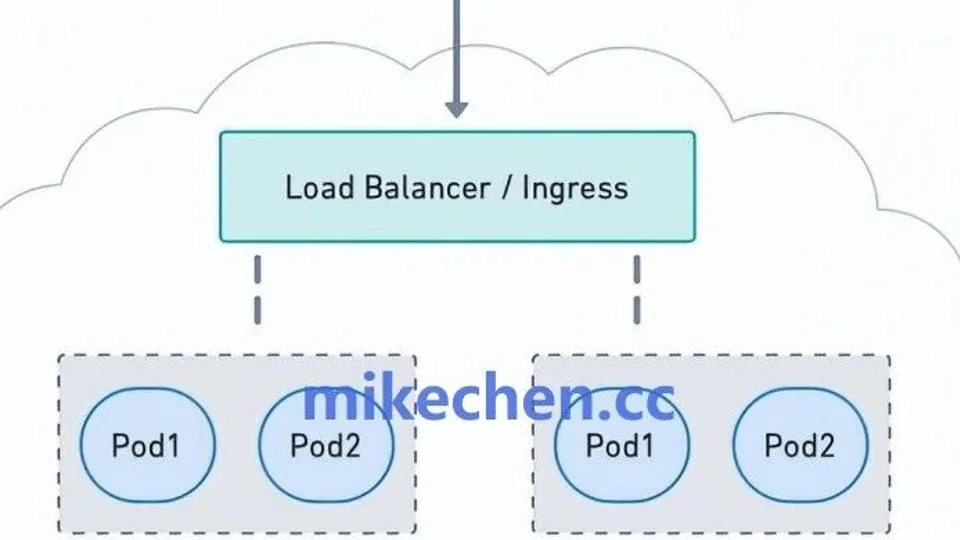
This comprehensive guide explains why Kubernetes service discovery is more than name‑to‑IP mapping, details the control‑plane and data‑plane components, compares Service types, explores CoreDNS caching, EndpointSlice, kube‑proxy modes, multi‑cluster strategies, and provides production‑grade code samples and troubleshooting steps.
This article presents a complete, production‑grade microservice gateway architecture that combines Nacos for service discovery and configuration with Higress as a cloud‑native data‑plane, covering design principles, dynamic configuration, traffic governance, high‑availability deployment, code examples, and operational best practices.
This article analyzes the cloud‑native challenges of deploying large‑model inference on Kubernetes and presents Kthena’s architecture—ModelServing, Router, Autoscaler, and ModelBooster—along with Volcano integration, vLLM‑Ascend setup, and a real‑world Qwen3‑235B deployment case, highlighting performance gains and future directions.
An image is a static snapshot of an OS, runtime and code; a container runs that snapshot, while Dockerfile and docker‑compose define how to build and orchestrate images. Pods group containers for shared resources, and Kubernetes schedules, scales, heals, networks and stores them, enabling true “run anywhere” deployment.
CrashLoopBackOff is not merely a restart alert but a system‑level signal indicating mismatches among containers, probes, resources, and deployment strategies; the guide dissects its root causes in high‑concurrency environments, presents a six‑category failure taxonomy, and offers a step‑by‑step, observable, self‑healing remediation framework from probing to platform‑wide auto‑rollback.
This tutorial walks through building custom Docker images using Dockerfile, constructing images with docker build, orchestrating multi-service environments with Docker Compose, and customizing middleware images like Kafka for production, including JVM tuning, networking, and data persistence.
This comprehensive guide explains Kubernetes networking fundamentals, compares major CNI plugins such as Flannel, Calico, and Cilium, and provides detailed troubleshooting steps for pod communication, service routing, DNS issues, and eBPF‑based enhancements, helping operators build reliable, high‑performance clusters.
This article examines the storage, query performance, high‑availability, and high‑cardinality challenges of running Prometheus on a thousand‑node Kubernetes cluster and presents a complete, step‑by‑step Thanos‑based architecture, capacity‑planning models, configuration examples, and operational best practices for reliable horizontal scaling.
A large multinational company migrated its multi‑cloud log pipeline from a fragmented AWS stack to Alibaba Cloud Log Service (SLS), achieving unified data processing, query, visualization and alerting while reducing total monthly cost by over 87% and gaining additional free storage and feature benefits.
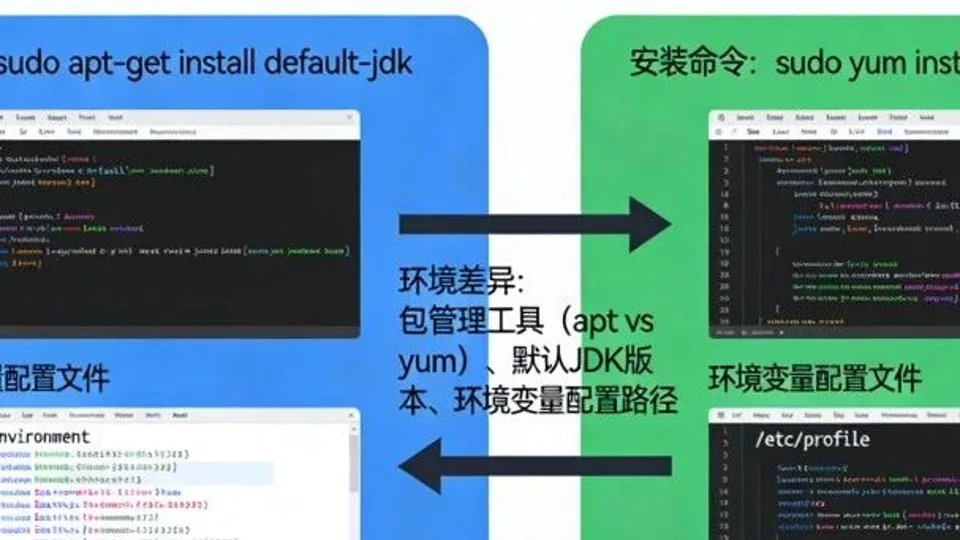
This article explains why traditional Java deployment struggles with environment inconsistencies, introduces Docker’s containerization workflow—including base images, Dockerfiles, images, registries, and tools like Compose and Swarm—and compares it with Kubernetes’ orchestration capabilities, showing how they together streamline Java application delivery.
This article explains the core concepts of Docker images, containers, Dockerfile and docker‑compose, and how Kubernetes uses Pods to schedule and manage container workloads, providing a clear foundation for running applications consistently across any environment.
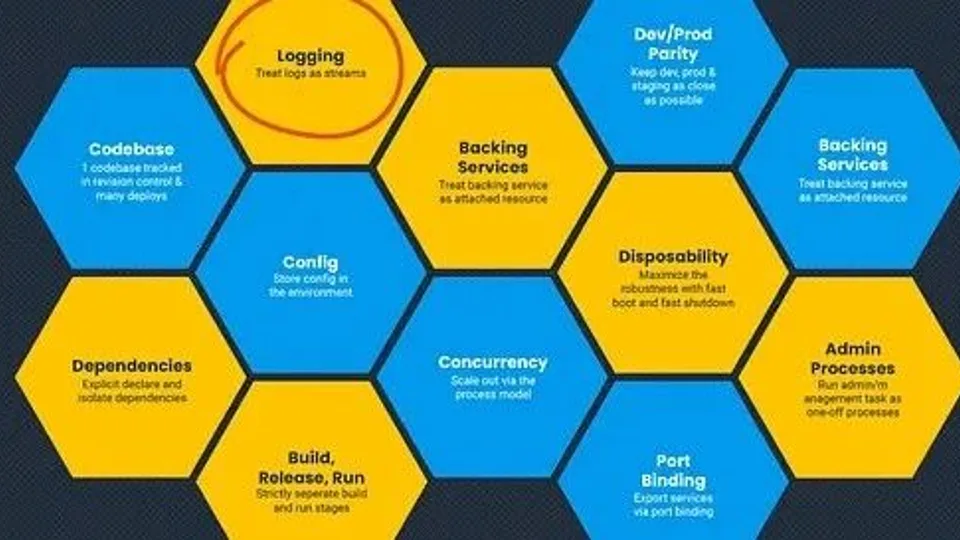
The article explains how the Twelve‑Factor App methodology, created by Heroku’s Adam Wiggins, provides a set of core principles that prevent common production failures and form the foundation for modern tools like Docker, Kubernetes, and CI/CD pipelines, enabling reliable, scalable, and maintainable software.
This article compares four microservice deployment approaches—standalone virtual machines, Docker containers, Kubernetes clusters, and service‑mesh‑enhanced Kubernetes—detailing their architectures, advantages, drawbacks, and ideal use cases to help teams select the most suitable strategy.
This article examines the limitations of traditional Kafka in large‑scale deployments and presents AutoMQ’s cloud‑native redesign—detailing its stateless architecture, storage separation, automatic scaling, read/write isolation, performance benchmarks, and real‑world migration case studies that demonstrate reduced latency, higher throughput, and lower resource costs.
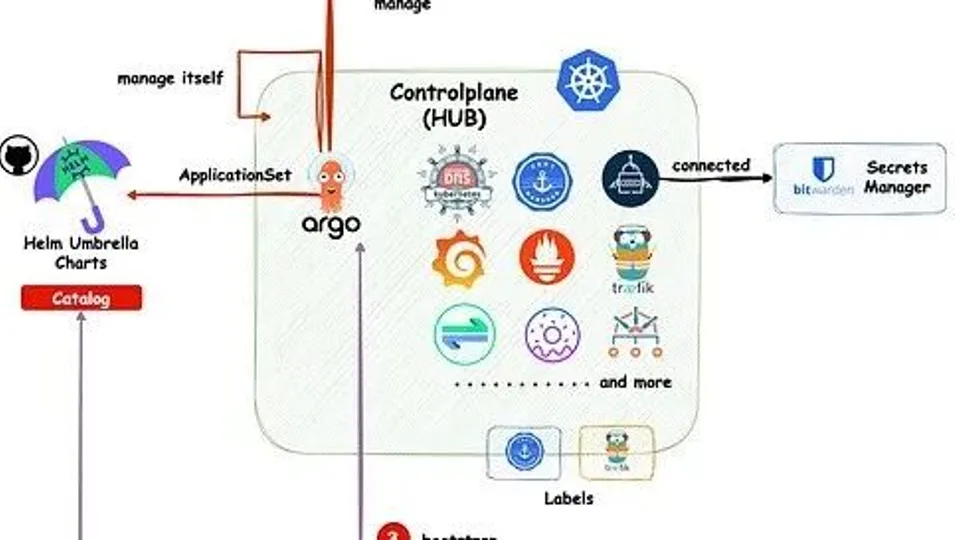
This article explains how the open‑source kubara framework provides a GitOps‑driven, hub‑and‑spoke Kubernetes platform that can be bootstrapped in about 30 minutes, detailing its architecture, default security, control‑plane components, data‑plane onboarding, and step‑by‑step commands for a production‑grade setup.
This guide explains how to dramatically shrink Docker image sizes by up to 70% using multi‑stage builds, Alpine or Distroless bases, layer merging, .dockerignore, and BuildKit, while also integrating Trivy security scanning, non‑root users, SUID removal, and CI/CD automation to ensure a lean, secure container deployment.
Project N.O.M.A.D. is an open‑source, Docker‑based platform that converts a Raspberry Pi, old laptop or server into a self‑contained offline hub offering AI chat, Wikipedia, educational courses, maps and utility tools, enabling users in remote, disaster‑struck or privacy‑focused environments to access essential digital resources without any network connection.
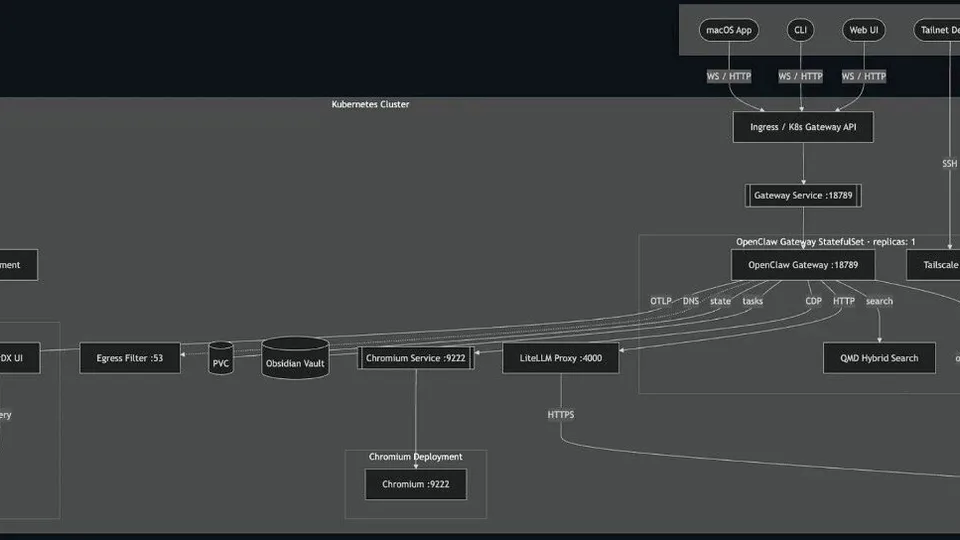
This article explains why engineering discipline is essential for modern AI agents, introduces the KubeClaw platform and its Kubernetes‑native architecture, provides step‑by‑step installation and Helm deployment instructions, and outlines proven operational patterns for secure, observable, and reliable agent systems.
This article analyzes the challenges of high‑concurrency voice AI agents—such as massive session management, tiny packet transmission, strict latency, and asynchronous result handling—and presents a detailed Cloud‑Native architecture using Alibaba Cloud RocketMQ LiteTopic to achieve stable, low‑latency, and automatically managed real‑time voice message pipelines.
This comprehensive guide explains how to design, implement, and operate production‑grade blue‑green and canary releases on Kubernetes, covering traffic control, state handling, capacity planning, observability, automation scripts, code examples, and best‑practice checklists to ensure safe, scalable rollouts in high‑traffic environments.