When MySQL runs out of disk space, the safest approach is to identify the full filesystem, examine data, binlog, temporary and log directories, and use SQL‑based cleanup commands like PURGE BINARY LOGS while never manually removing critical files such as ibdata1, ib_logfile* or active binlogs.
SQL Chat, an open‑source AI‑driven database client with 5.8K stars, lets you converse in natural language to generate and run SQL across MySQL, PostgreSQL, MSSQL, TiDB Cloud and OceanBase, while keeping data local and offering Docker self‑hosting, but it still cannot replace full‑featured tools for complex tasks.
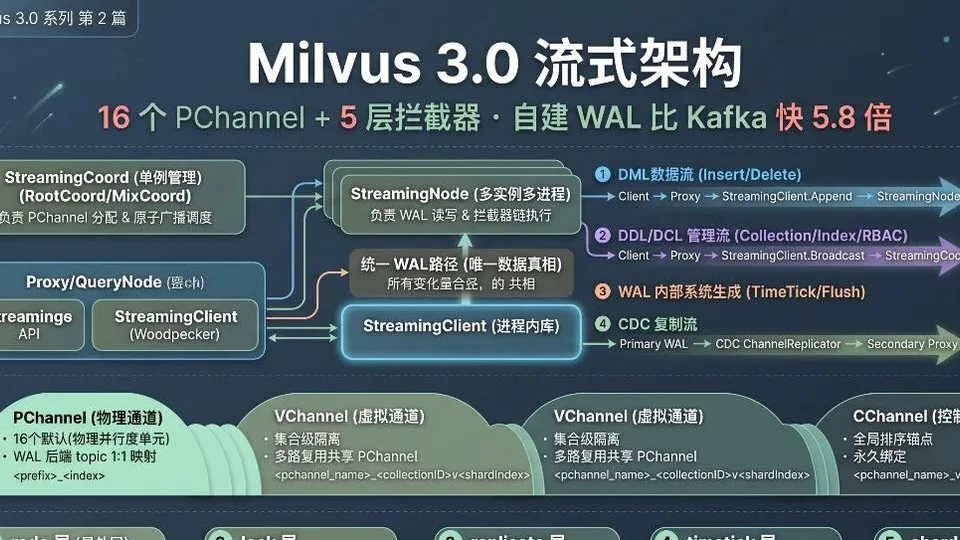
Milvus 3.0 replaces the dual‑track write path of 2.x with a unified WAL‑first design, introduces a three‑layer channel model (PChannel, VChannel, CChannel) and a five‑layer interceptor chain, adds the Woodpecker WAL that outperforms Kafka/Pulsar by up to 5.8×, and provides pluggable back‑ends, atomic broadcasting, and provable recovery mechanisms.
This article walks through the principles of database connection pools, common causes of pool exhaustion such as leaks, mis‑configuration, slow SQL and DB limits, and provides a step‑by‑step methodology with monitoring, thread‑stack analysis, and concrete configuration and SQL optimizations to restore stability.
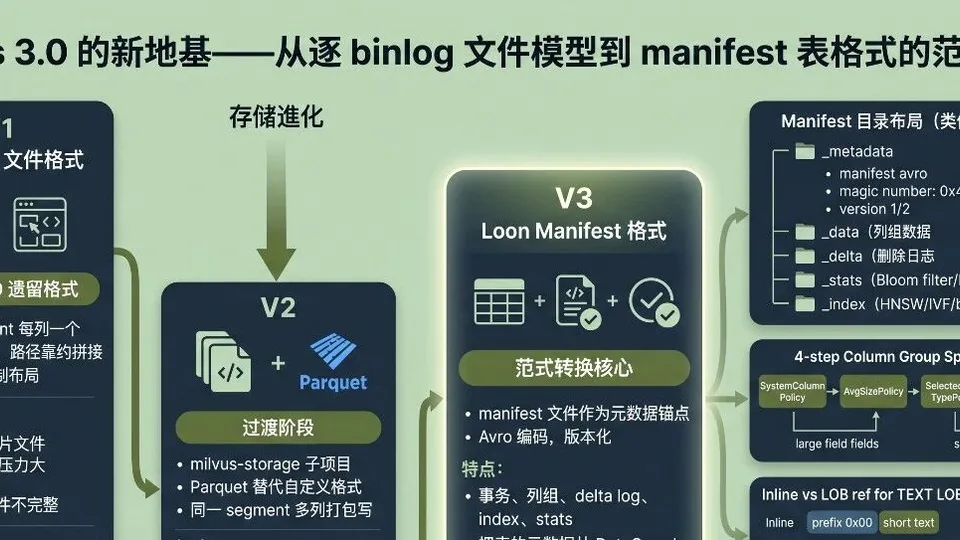
The article dissects Milvus 3.0's storage overhaul, explaining why the legacy per‑column binlog layout (V1) and the packed Parquet format (V2) were replaced by the Loon manifest table (V3), and how this redesign enables external collections, zero‑copy Spark reads, and efficient TEXT LOB handling.
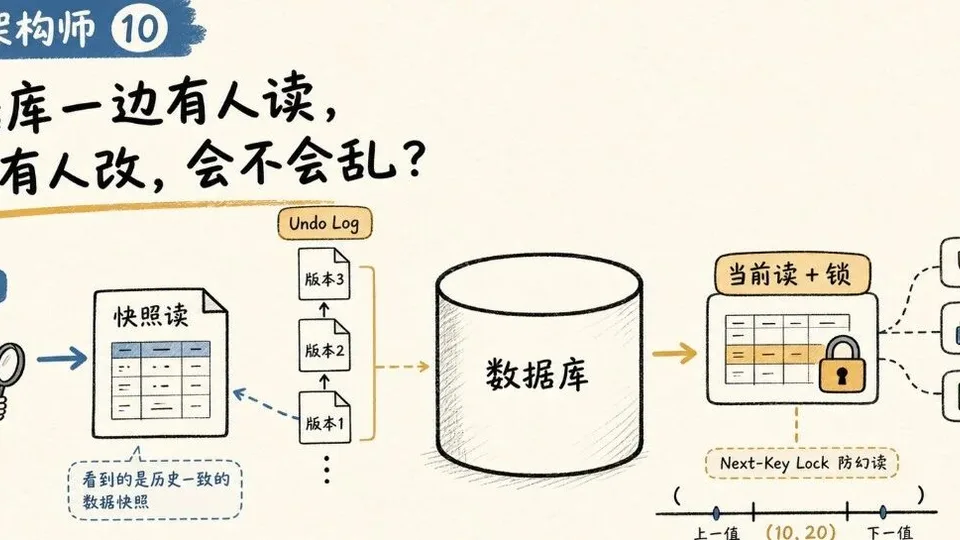
The article explains how databases use Multi-Version Concurrency Control, Undo Logs, ReadViews, snapshot reads, and both pessimistic and optimistic locking to allow readers to see a stable historical version while writers modify data without causing inconsistency or performance loss.
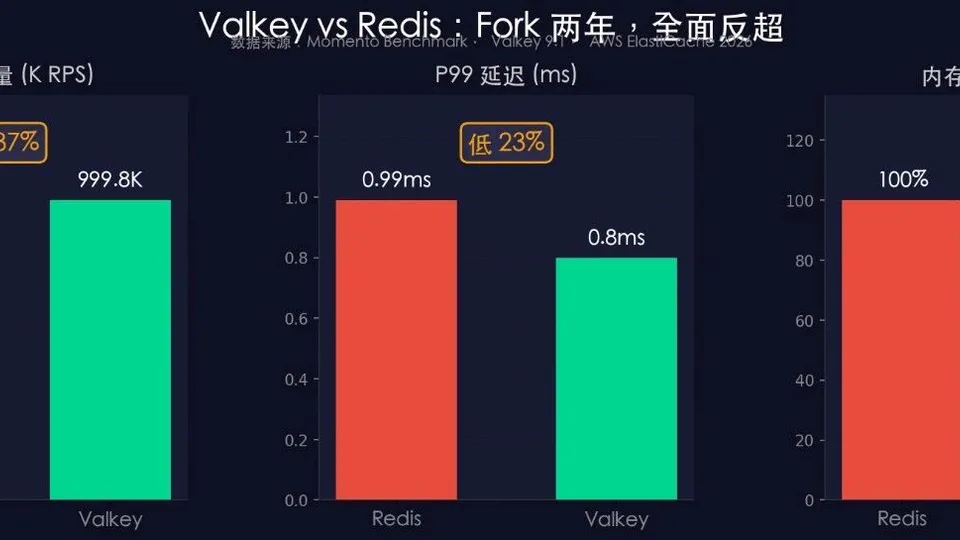
After Redis switched from a BSD to a closed‑source license in March 2024, the community quickly forked Valkey, which within a year surpassed Redis in throughput, latency, and memory usage, gained support from major cloud providers and Linux distributions, and continues to accelerate while Redis struggles to regain its position.
This article provides an in‑depth guide to Redis’s advanced capabilities, covering how to use pipeline for batch commands, transactions for ordered execution, Lua scripts for atomic logic, distributed locks with proper token handling, reliable messaging with streams, and specialized data structures such as BitMap, HyperLogLog, Bloom Filter and GEO for efficient large‑scale scenarios.
This guide walks through the most important Elasticsearch commands, covering cluster health checks, index listing, creation with mappings, deletion, mapping inspection, document insertion (with and without IDs), various query types, updates, deletions, pagination, sorting, and bulk operations, each illustrated with concrete examples and usage notes.
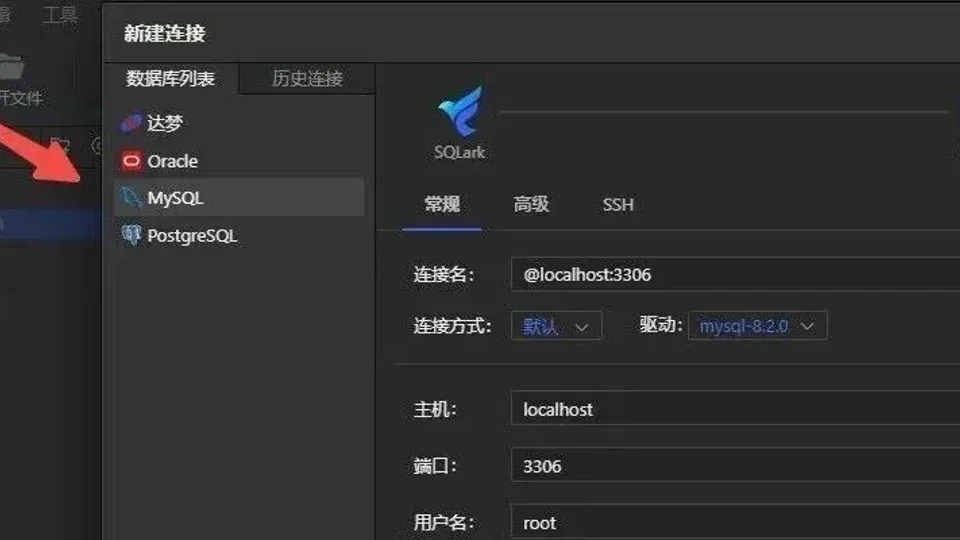
The article reviews SQLark, a Chinese one‑stop database development and management tool that supports Windows, macOS, and Linux, connects to major databases such as Oracle, MySQL and PostgreSQL, and integrates AI assistance, positioning it as a convenient, efficient alternative to Navicat and DBeaver.
DeWu, a leading fashion e‑commerce platform, evaluated and adopted OceanBase as a multi‑model database to replace a heterogeneous stack of MySQL, TiDB, MongoDB, HBase, ClickHouse, and others, achieving up to 200× query speedups, 40%+ storage savings, high‑availability with RPO = 0, and a streamlined operations model while documenting migration challenges and future roadmap.
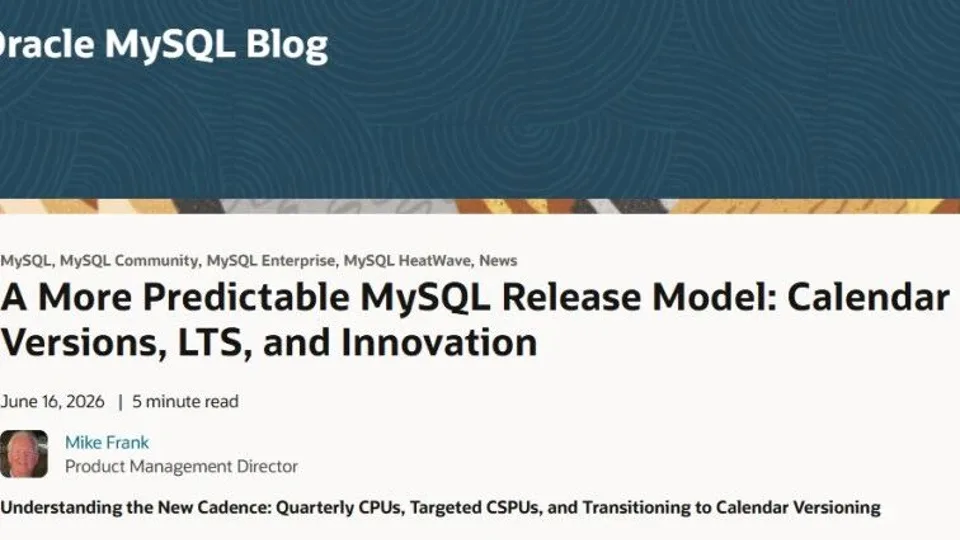
MySQL 26.7.0 Early Access introduces calendar versioning that jumps the version number to 26, adds post‑quantum TLS support, a new Change Stream Applier, InnoDB refactoring, and moves the thread‑pool plugin to the community edition, while Oracle expands governance with a steering committee, a public roadmap, and a detailed release schedule for 2026‑2027.
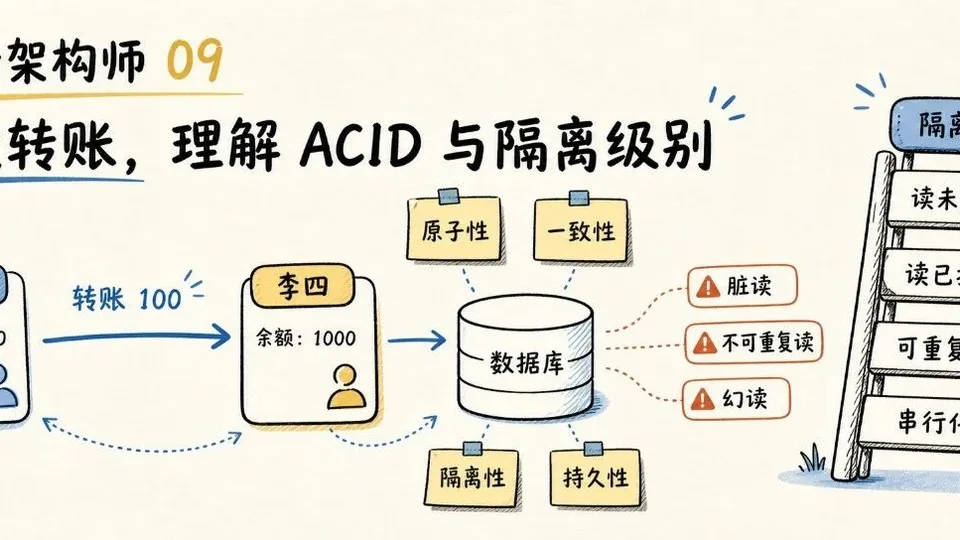
The article uses a simple money‑transfer scenario to introduce database transactions, explains the four ACID properties, illustrates common concurrency anomalies such as dirty reads, non‑repeatable reads and phantom reads, and outlines the four isolation levels with their trade‑offs and default settings in MySQL and Oracle.
Under a fixed monthly budget of about 7,100 CNY, Volcano Milvus combines DiskANN and RaBitQ (including Extended‑RaBitQ) with in‑memory layout and query‑path slimming to deliver 20,420 QPS, 2.5 ms average latency, 93.9 % recall, achieving nearly three times the VectorDBBench top score while using roughly one‑third of the memory, disk and compute resources of competing solutions.
The article explains SINDI, a sparse‑vector retrieval index designed for VSAG, detailing its window‑based weighted inverted lists, multi‑layer pruning, quantization and reranking techniques that achieve dramatically faster index construction, smaller index size, and high query throughput compared with traditional inverted or graph indexes.
The article explains how database indexes act like a book's table of contents, reducing full‑table scans and disk I/O by using B+Tree structures, and compares clustered, non‑clustered, and covering indexes while highlighting their benefits and trade‑offs.
This comprehensive guide explains why MySQL permission mistakes happen, walks through the authentication and authorization process, shows how to design multi‑layered user models, role hierarchies, declarative GitOps workflows, Kubernetes integration, and production‑ready automation for secure, auditable, and scalable database access.
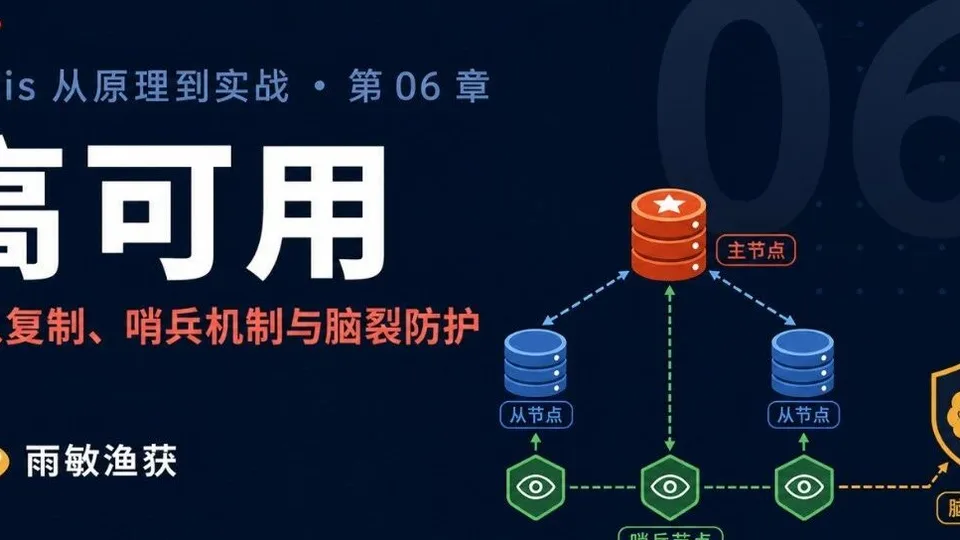
This article explains why a single‑node Redis deployment is a single‑point‑of‑failure and walks through building a highly available Redis cluster using master‑slave replication, Sentinel monitoring and automatic failover, split‑brain prevention, production deployment guidelines, common pitfalls, and client‑side connection strategies.
A power outage once erased all cached sessions, counters and leaderboards in Redis, exposing the inherent risk of in‑memory data loss and prompting a deep dive into Redis persistence mechanisms—RDB snapshots, AOF command logging, their trade‑offs, hybrid persistence, and the new Redis 7 Multi‑Part AOF design—so you can choose the right strategy for your workload.
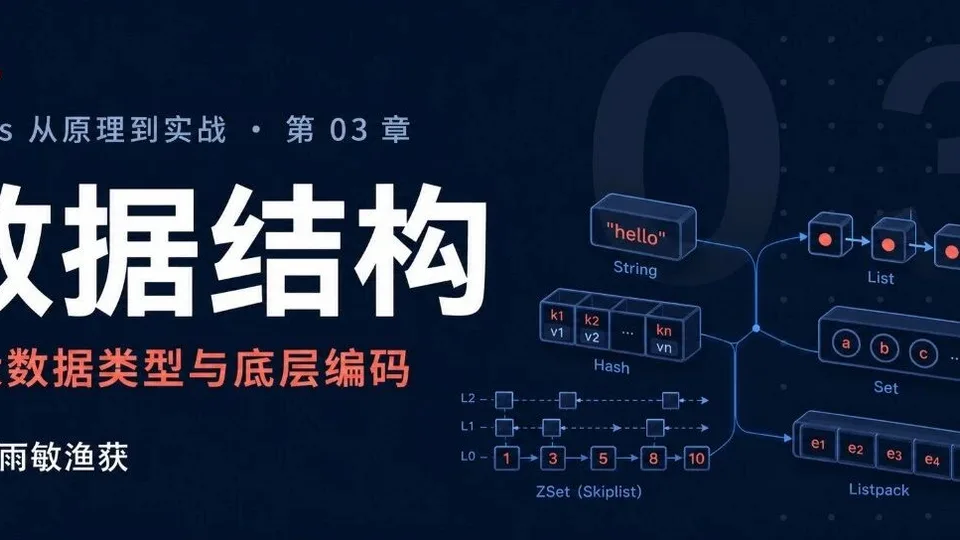
This article explains why Redis can store one million items with ten‑fold memory savings by examining each of the five core data types, their underlying encodings such as SDS, listpack, quicklist, hashtable and skiplist, and shows how automatic encoding switches affect memory usage, performance, and common pitfalls.